Key Takeaways
- Radiation therapy is one of the most reliable and widely used treatments in modern cancer care.
- It works by damaging the DNA of cancer cells, which stops them from growing and spreading.
- Between 50% and 60% of cancer patients will require radiation therapy at some point during their treatment journey.
- Innovations such as Intensity-Modulated Radiation Therapy (IMRT), Image-Guided Radiation Therapy (IGRT), and Stereotactic Body Radiation Therapy (SBRT) have greatly improved treatment accuracy and reduced side effects.
- Radiation therapy can be curative, preventive (adjuvant), pre-surgical (neoadjuvant), or palliative, depending on the clinical context.
- Detecting cancer early and starting treatment without delay greatly improves survival and long-term recovery.
Understanding Radiation Therapy
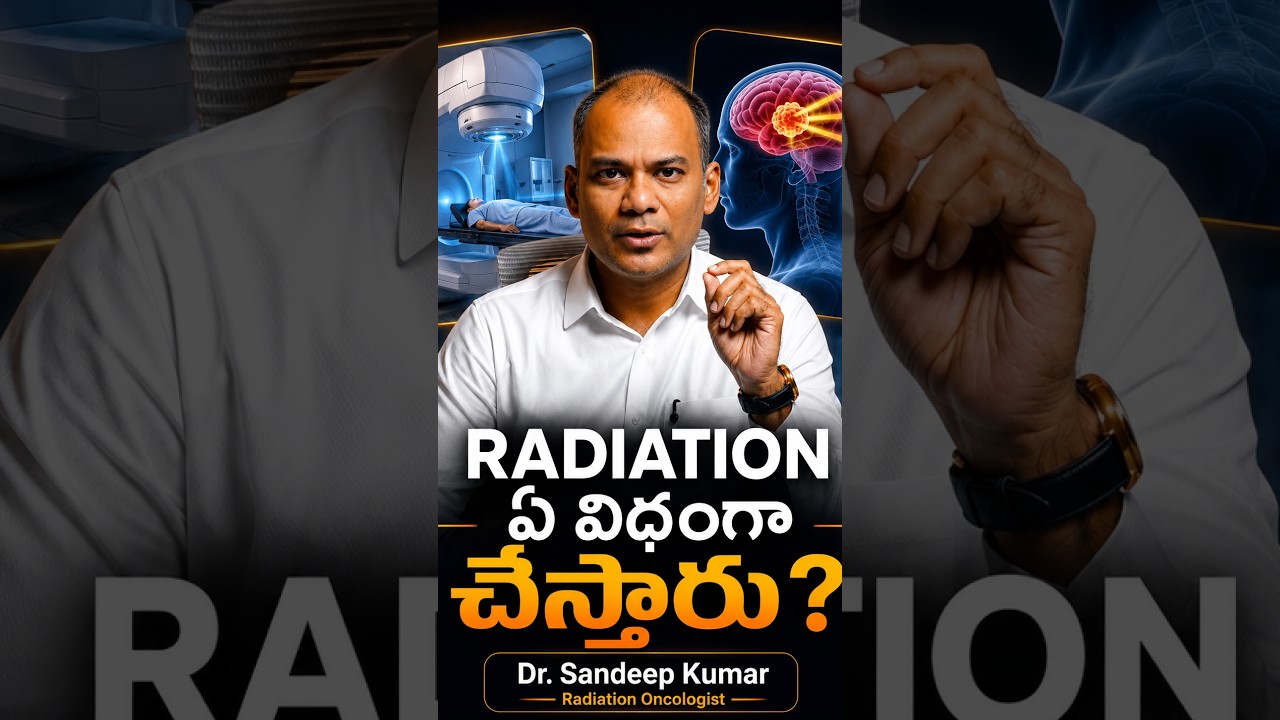
Radiation therapy, also called radiotherapy, is a treatment that uses high-energy radiation, usually X-rays, to destroy cancer cells while protecting nearby healthy tissue as much as possible.
It plays a central role in modern cancer treatment, along with surgery and chemotherapy, and may be used alone or together with these treatments depending on the type and stage of cancer.
Radiation therapy helps in several important ways, including:
- Eradicating early-stage cancers
- Shrinking tumours before surgery to improve surgical outcomes
- Preventing cancer recurrence after surgery
- Enhancing the effectiveness of chemotherapy
- Alleviating symptoms in advanced or metastatic cancer cases
How Radiation Therapy Works
Cancer develops when cells grow and divide uncontrollably.
Radiation therapy targets the DNA within these abnormal cells, causing damage that prevents them from multiplying. When the DNA damage is irreparable, cancer cells lose their ability to reproduce, leading to gradual tumour shrinkage and eventual cell death.
Healthy cells generally have a greater capacity to repair radiation-induced damage than cancer cells, allowing radiation therapy to target malignant tissues while sparing normal tissues. Unlike surgery, which removes tumours immediately, radiation therapy’s effects continue over time, with
cancer cells dying for weeks following treatment.
When is Radiation Therapy Recommended?
The decision to use radiation therapy is based on a thorough clinical assessment, imaging studies, and discussions within a multidisciplinary oncology team. It may be recommended in various scenarios:
- Curative Treatment: Radiation can cure many early-stage cancers, including those of the breast, prostate, cervix, and head and neck, when delivered appropriately.
- Neoadjuvant Therapy: Radiation may be administered before surgery to reduce tumour size, making surgical removal easier and more effective.
- Adjuvant Therapy: Postoperative radiation helps eliminate microscopic cancer cells that might remain, lowering the risk of recurrence.
- Concurrent Chemoradiation: Combining radiation with chemotherapy can improve tumour control, particularly in cancers of the cervix, head and neck, and some gastrointestinal sites.
- Palliative Radiation: In advanced cancer, radiation can relieve symptoms such as pain, bleeding, or compression of vital structures, thereby improving quality of life.
Types of Radiation Therapy
Radiation therapy is broadly categorised by the method of delivery:
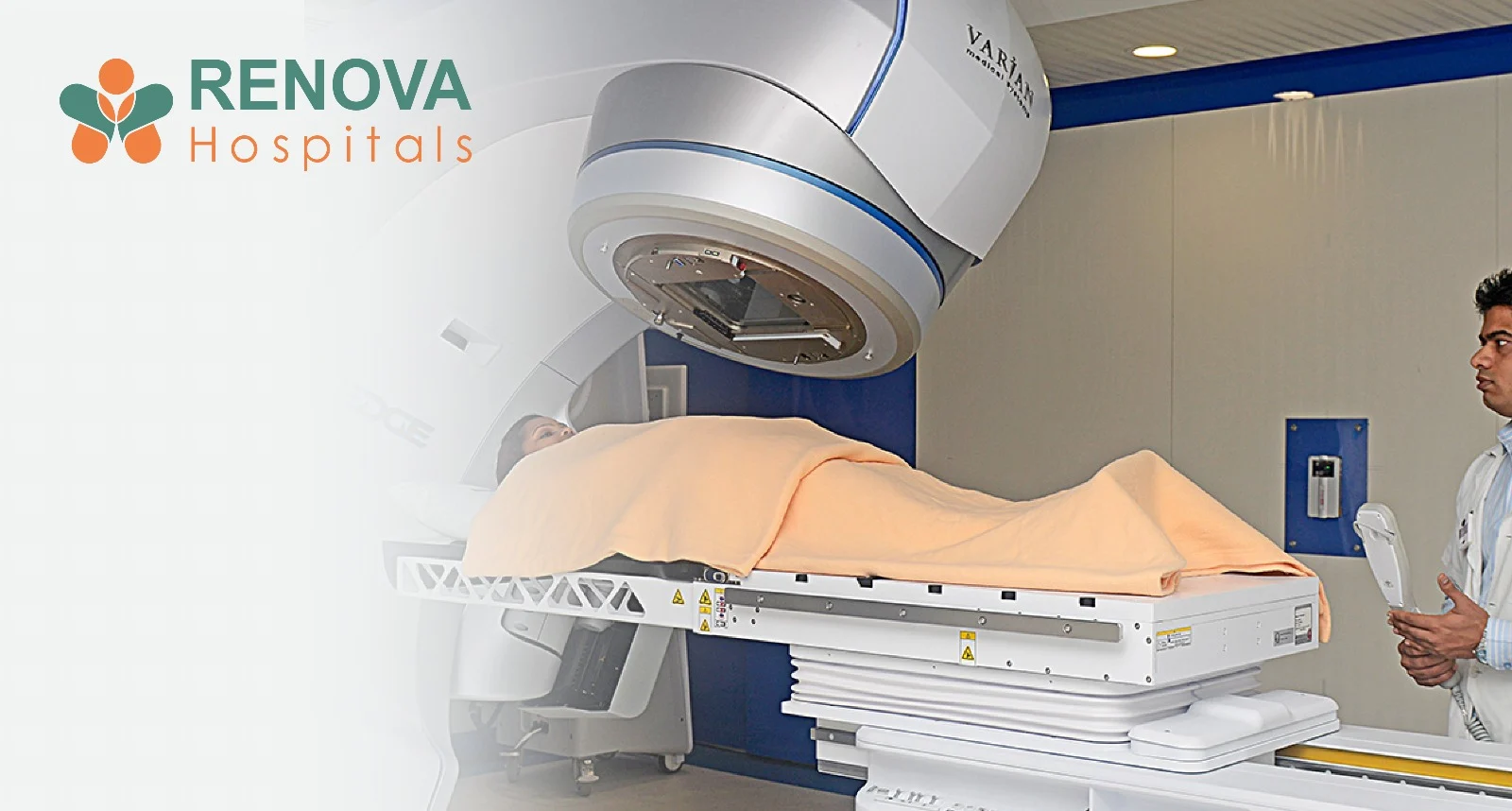
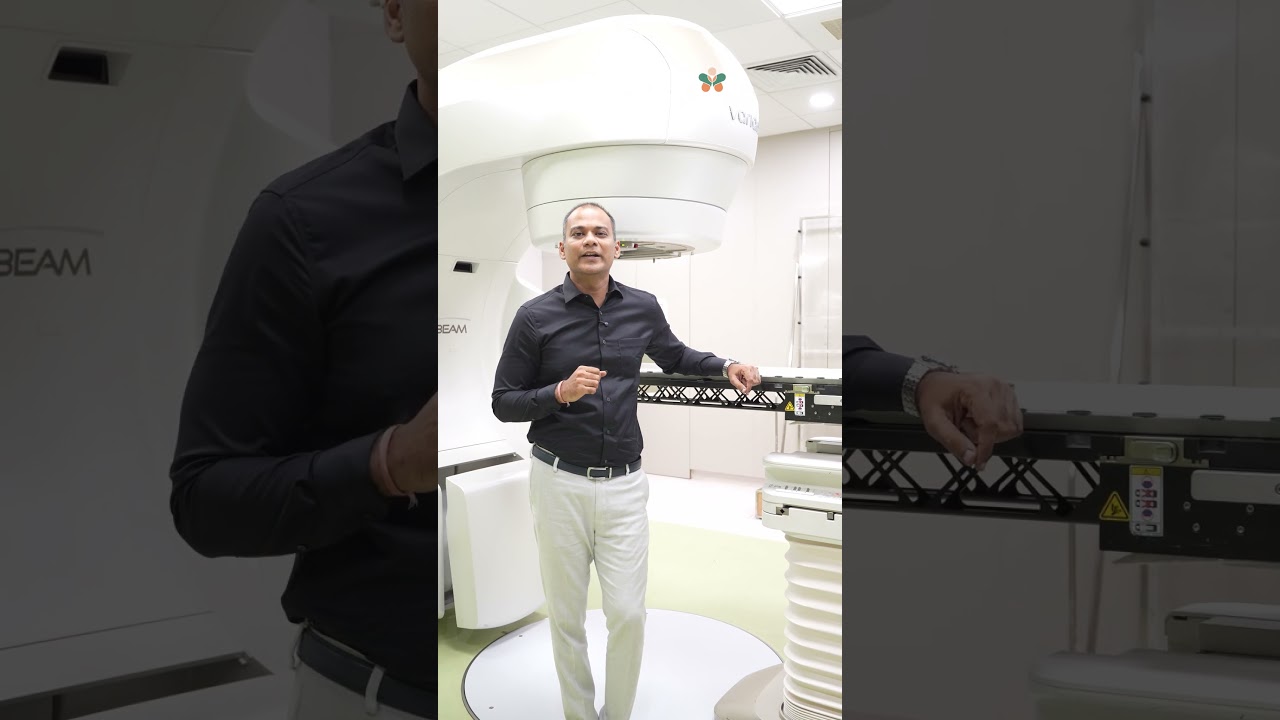
- External Beam Radiation Therapy (EBRT): This is the most common form, in which a linear accelerator delivers radiation beams to the tumour from outside the body. Advanced EBRT techniques include:
- 3D Conformal Radiation Therapy
- Intensity-Modulated Radiation Therapy (IMRT)
- Image-Guided Radiation Therapy (IGRT)
- Volumetric Modulated Arc Therapy (VMAT)
- Stereotactic Body Radiation Therapy (SBRT)
- These methods allow precise shaping and control of radiation beams, reducing exposure to healthy tissues and minimising side effects. In some cases, higher doses can be delivered over fewer sessions, shortening treatment time.
- Internal Radiation Therapy (Brachytherapy): This involves placing radioactive material directly inside or near the tumour to deliver high doses of radiation locally, with minimal impact on surrounding tissues. It is commonly used for cancers of the cervix, prostate, breast, and certain head and neck cancers. Implants may be temporary or permanent, with radioactivity decreasing over time.
What to Expect During Radiation Therapy
Understanding what to expect can make the process less stressful and help patients feel more prepared:
- Initial Consultation: The radiation oncologist reviews your medical history, imaging, and pathology to determine if radiation therapy is appropriate.
- Simulation and Planning: A planning session involving CT or MRI scans precisely maps the tumour. Special positioning devices ensure consistent patient alignment during each treatment session. A personalised treatment plan is then created using advanced planning systems.
- Treatment Sessions: Patients lie comfortably on a treatment table while the radiation machine delivers therapy. Sessions typically last 10-30 minutes and are painless. Treatments are usually administered five days a week over several weeks, depending on the cancer type and protocol.
- Follow-Up Care: After completing treatment, regular follow-up visits assess tumour response and monitor for side effects.
Side Effects of Radiation Therapy
Modern radiation techniques are designed to reduce side effects as much as possible, though some reactions may still occur depending on the treatment area.
- Common Short-Term Effects:
- Fatigue
- Mild skin redness or irritation
- Temporary hair loss in the treated area
- Nausea (if the abdomen is treated)
- Difficulty swallowing (if the head and neck are treated)
- Possible Long-Term Effects:
- Tissue stiffness or fibrosis
- Hormonal changes, depending on the organ treated
- Rarely, secondary cancers may develop
Most side effects are manageable and tend to improve after treatment ends. The oncology team provides supportive care to ensure patient comfort throughout the treatment course.
Recent Advances in Radiation Oncology
Radiation oncology has advanced significantly over the past decade, with new technologies enabling:
- Exact tumour targeting
- Minimised radiation exposure to healthy organs
- Adaptive treatment planning that can be modified during therapy
- Shortened treatment durations for certain cancers
- Motion tracking to account for tumour movement caused by breathing
These improvements have enhanced the safety and effectiveness of radiation therapy, making it safer and more effective than ever before.
The Importance of Early Diagnosis
The success of radiation therapy is closely linked to the stage of cancer at diagnosis. When diagnosed at an
early stage:
- Treatment is more likely to be curative
- Lower radiation doses may suffice
- Organ preservation becomes feasible
- Long-term survival rates improve significantly
Delays in seeking medical attention can lead to advanced disease, limiting treatment options and reducing the likelihood of success. Prompt consultation with healthcare professionals remains one of the most critical factors in cancer survival.
Renova Hospitals Commitment to Radiation Therapy
At
Renova Hospitals, radiation therapy is delivered through a comprehensive multidisciplinary approach that includes:
- Close collaboration between surgical, medical, and radiation oncologists
- Use of cutting-edge precision radiation technologies
- Strict adherence to evidence-based treatment protocols
- Individualised treatment planning tailored to each patient’s needs
- Integrated psychosocial and supportive care services
- A strong emphasis on early detection and survivorship care
Our goal is to provide treatment that is safe, effective and tailored to each patient’s needs, while ensuring they feel supported throughout their care journey.
Medical Disclaimer
This material is intended for educational purposes only and should not replace professional medical advice, diagnosis, or treatment. Radiation therapy recommendations vary based on cancer type, stage, medical history, and overall health. Always consult a qualified radiation oncologist for personalised assessment and treatment planning. In case of urgent symptoms, seek immediate medical attention.