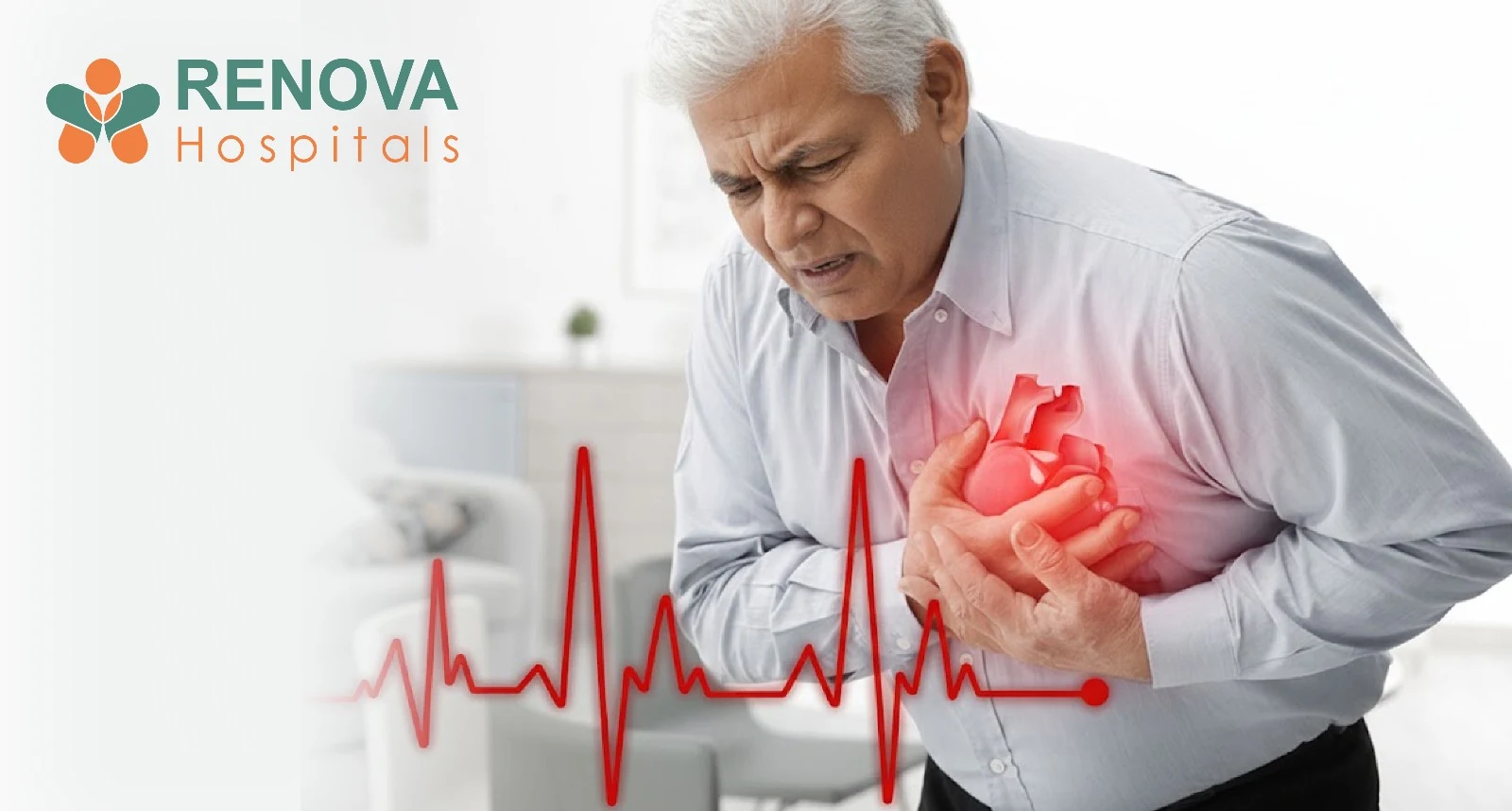
Tachycardia is a condition in which the heart beats faster than normal, defined as a resting heart rate of more than 100 beats per minute in adults. While your heart rate normally increases during exercise, fever, dehydration, or emotional stress, tachycardia refers to a rhythm that occurs without a normal cause or continues longer than it should.
A fast heart rate may feel uncomfortable, frightening, or even disabling. Some people notice pounding or fluttering in the chest, while others feel breathless, dizzy, or weak. In more severe forms, tachycardia can reduce blood flow to vital organs and lead to fainting, heart failure, stroke, or sudden cardiac arrest.
Tachycardia can arise from the upper chambers of the heart (atria) or the lower chambers (ventricles). Because these different rhythms behave very differently, identifying the type of tachycardia is critical for choosing the correct tachycardia treatment.
Tachycardia may:
• Occur suddenly or gradually
• Last seconds, minutes, or hours
• Come and go (paroxysmal) or persist
• Be mild and harmless or life-threatening
Overview
An ECG showing more than 100 beats per minute (at rest) indicates tachycardia
A resting electrocardiogram (ECG) that shows a heart rate above 100 beats per minute is considered tachycardia. However, not all fast heart rhythms are dangerous. Some, such as sinus tachycardia, are the body’s natural response to physical or emotional stress. Others, such as ventricular tachycardia, are medical emergencies that require immediate care.
When the heart beats too fast, it does not have enough time to fill with blood between beats. This reduces the amount of blood pumped forward to the brain and body. Over time, this can:
• Lower blood pressure
• Reduce oxygen delivery
• Strain the heart muscle
• Trigger fainting or collapse
• Increase the risk of blood clots
This is why prolonged tachycardia can damage the heart and threaten life.
What is tachycardia?
Tachycardia (ta-kih-KAR-dee-uh) is a type of abnormal heart rhythm (arrhythmia) in which the heart beats more than 100 times per minute at rest. Normally, your resting heart rate is between 60 and 100 beats per minute.
Tachycardia occurs when the electrical system of the heart sends signals too quickly or through abnormal pathways. This causes the heart muscle to contract more often than it should.
When the heart beats too fast:
• It cannot fill with enough blood
• Each heartbeat pumps less blood
• The body receives less oxygen
• Blood pressure may drop
These changes explain why tachycardia can cause dizziness, fatigue, chest pain, or fainting.
Types of tachycardia
Tachycardia is classified by where it begins.
Supraventricular tachycardias (SVT)
These start in the atria (upper chambers of the heart). They include:
• Sinus tachycardia
• Paroxysmal supraventricular tachycardia (PSVT)
• Atrial fibrillation
• Atrial flutter
These rhythms are often uncomfortable but usually not immediately life-threatening.
Ventricular tachycardias
These begin in the ventricles (lower chambers). They include:
• Ventricular tachycardia
• Ventricular fibrillation
• Torsades de Pointes
These rhythms are dangerous because they prevent the heart from pumping blood effectively and can cause sudden death without urgent ventricular tachycardia treatment.
Symptoms and Causes
What are the symptoms?
Some people feel no symptoms, while others experience severe distress.
Common tachycardia symptoms include:
• Racing or pounding heartbeat
• Fluttering in the chest
• Shortness of breath
• Chest pain or tightness
• Light-headedness
• Dizziness
• Fainting
• Nausea
• Extreme fatigue
Symptoms are often worse during fever, dehydration, stress, or physical exertion.
What causes tachycardia?
The heart’s rhythm is controlled by electrical signals from the sinoatrial (SA) node. Tachycardia occurs when these signals fire too quickly or travel through abnormal pathways.
Causes include:
• Sinus tachycardia from anxiety, pain, fever, or dehydration
• Heart disease or prior heart attack
• High blood pressure
• Thyroid disease
• Low blood sugar
• Pregnancy
• Anemia
• Infection
• Excess caffeine, nicotine, or alcohol
• Certain medications
What are the risk factors?
You are more likely to develop tachycardia if you have:
• A family history of rhythm disorders
• Obesity
• Diabetes
• Kidney or lung disease
• Untreated thyroid problems
• Structural heart disease
• Certain psychiatric or heart medicines
What are the complications?
Without proper tachycardia treatment, dangerous forms of tachycardia may lead to:
• Blood clots
• Stroke
• Heart attack
• Cardiomyopathy (weakened heart muscle)
• Sudden cardiac arrest
Diagnosis and Tests
How is tachycardia diagnosed?
Doctors evaluate your symptoms and heart rhythm using:
• Electrocardiogram (ECG)
• Holter or event monitors
• Stress testing
• Echocardiogram
• Blood tests
• Electrophysiology (EP) study
A sinus tachycardia ECG shows a normal rhythm at a fast rate. Ventricular tachycardia shows wide, abnormal electrical patterns.
Management and Treatment
How is tachycardia treated?
Treatment depends on the type, cause, and severity.
Procedures include:
• Vagal manoeuvres
• Catheter ablation
• Electrical cardioversion
• Implantable cardioverter defibrillator (ICD)
• Pacemaker
Medications include:
• Beta-blockers
• Calcium channel blockers
• Sodium and potassium channel blockers
• Anti-arrhythmic drugs
• Blood thinners
Emergency CPR may be required for life-threatening ventricular rhythms.
Outlook / Prognosis
• Sinus tachycardia usually resolves when the cause is treated
• Paroxysmal supraventricular tachycardia is often curable
• Ventricular tachycardia requires lifelong monitoring
With appropriate tachycardia treatment, most patients can live full, active lives.
Living With
How do I take care of myself?
• Control blood pressure, diabetes and cholesterol
• Take prescribed medicines correctly
• Avoid caffeine, alcohol, and tobacco
• Maintain a healthy weight
• Eat a heart-healthy diet
• Manage stress
When should I go to the ER?
Get emergency help if you have:
• Chest pain
• Fainting
• Severe shortness of breath
• Sudden collapse
Get Your Heart Rhythm Checked Early
Fast heart rhythms can be frightening. Whether you have sinus tachycardia, paroxysmal supraventricular tachycardia, or ventricular tachycardia, early diagnosis and the right ventricular tachycardia treatment can save lives. Renova Hospitals provide advanced ECG, electrophysiology testing, catheter ablation, and ICD therapy for comprehensive care.