Overview
Cancer-related weight loss is often misunderstood as a regular or unavoidable part of the disease. However, in many patients, this
weight loss represents cancer cachexia, a complex and serious metabolic condition that goes far beyond poor appetite.
Understanding what cancer cachexia is, recognising early cancer cachexia symptoms, and acting promptly is critical, as untreated cancer cachexia syndrome significantly worsens outcomes, reduces treatment tolerance, and impacts cancer cachexia life expectancy. Also known as cancer anorexia cachexia syndrome, this condition reflects a deeper biological process driven by tumour-related inflammation and altered metabolism rather than simple calorie deficiency.
Cancer cachexia is a medical emergency, not a cosmetic concern. Early identification and appropriate cancer cachexia treatment can preserve strength, improve quality of life, and support better cancer care outcomes.
What Is Cancer Cachexia?
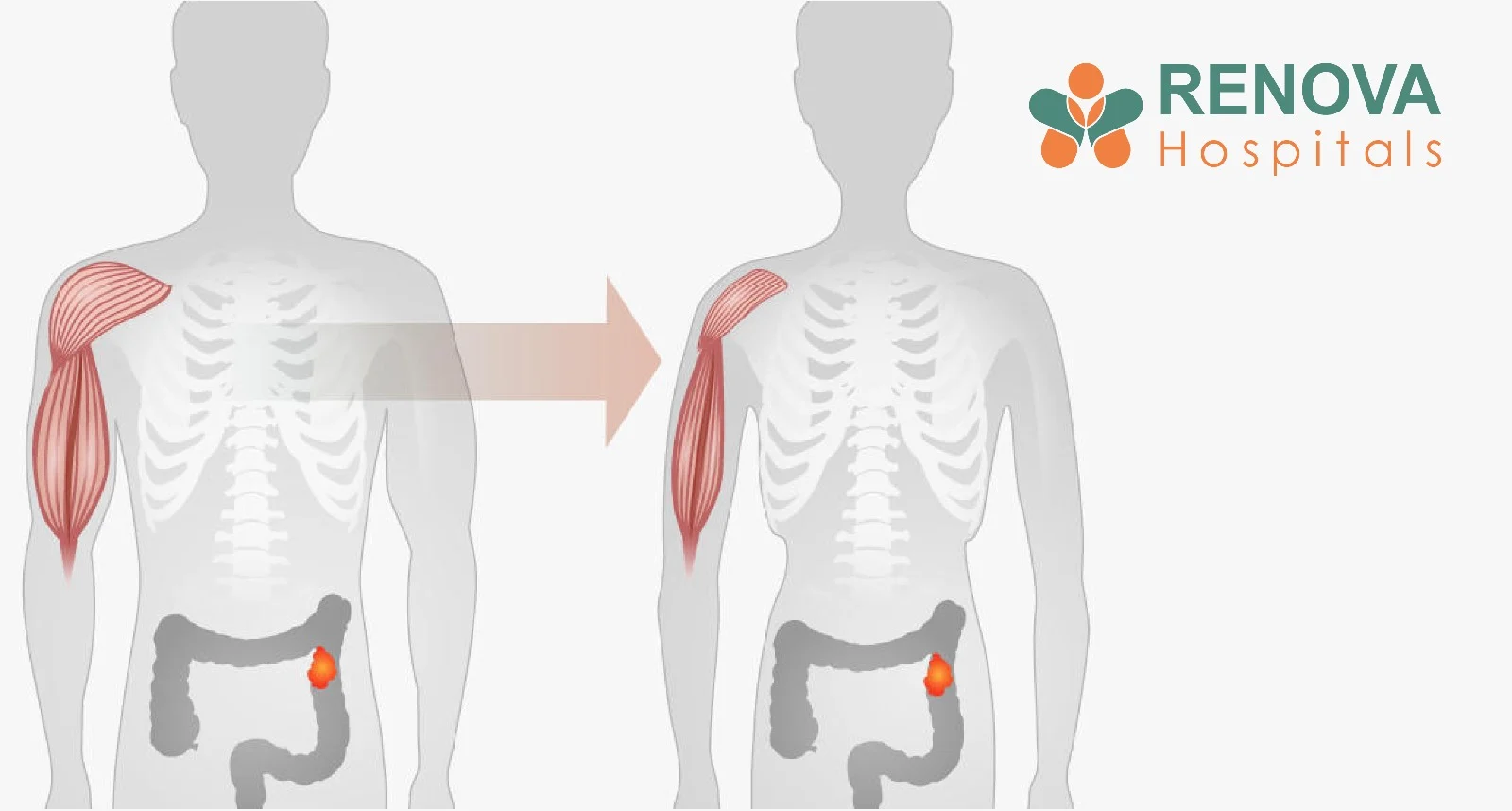
Cancer cachexia is a multifactorial metabolic syndrome characterised by ongoing loss of skeletal muscle mass, with or without loss of fat mass, that cannot be fully reversed by conventional nutritional support. Unlike starvation, cachexia involves profound changes in how the body processes energy, proteins, and fats.
Key features of cancer cachexia syndrome include:
- Progressive muscle wasting
- Weight loss despite adequate food intake
- Systemic inflammation
- Reduced physical function
This condition is commonly seen in advanced cancers such as pancreatic, lung, gastric, colorectal, and head-and-neck cancers.
Stages and Types of Cancer Cachexia
Pre-Cachexia
Pre-cachexia is the earliest stage, marked by mild but unintentional
weight loss of up to 5%, subtle appetite changes, and low-grade inflammation. Because patients often continue to function reasonably well, this stage is frequently overlooked or misattributed to stress, treatment side effects, or reduced food intake, despite being the most critical window for early intervention.
- Mild weight loss (≤5%)
- Early appetite changes
- Low-grade inflammation
- Often overlooked or misattributed
Cachexia
Cachexia is the established stage of the syndrome, defined by significant weight loss of more than 5% or a low body mass index (BMI <20) with ongoing weight loss. At this point, visible muscle wasting develops, physical strength declines, and daily activities become more difficult, directly affecting treatment tolerance and overall outcomes.
- Weight loss >5% OR
- BMI <20 with >2% weight loss
- Noticeable muscle wasting
- Functional decline
Refractory Cachexia
Refractory cachexia occurs in advanced cancer when the disease no longer responds to anticancer therapy and the body’s metabolic imbalance becomes irreversible. Life expectancy is limited in this stage, and medical care shifts from reversal attempts to comfort-focused, supportive, and palliative care aimed at preserving dignity and quality of life.
- Advanced cancer
- Poor response to anticancer therapy
- Limited cancer cachexia life expectancy
- Focus shifts to comfort and supportive care
What Causes Cancer Cachexia?
Cancer cachexia develops as a result of complex interactions between tumour activity and the body’s inflammatory response, leading to profound metabolic disturbances rather than simple calorie deficiency.
- Chronic systemic inflammation: Persistent inflammation drives ongoing muscle and fat breakdown throughout the body.
- Tumour-derived cytokines: Cancer cells release inflammatory substances that disrupt normal metabolism and appetite regulation.
- Altered hormone signalling: Changes in hormones involved in growth, appetite, and energy balance accelerate muscle loss.
- Increased muscle protein breakdown: The body breaks down muscle proteins faster than they can be replaced.
- Reduced muscle synthesis: The ability to rebuild and maintain muscle tissue is significantly impaired.
These combined mechanisms explain why cancer cachexia progresses even when nutritional intake appears adequate.
Cancer Cachexia Mechanism Explained
The mechanism of cancer cachexia is driven by complex, interconnected biological pathways that disrupt normal metabolism and accelerate muscle and weight loss, even when calorie intake is adequate. Unlike simple starvation, cancer cachexia involves systemic inflammation and metabolic reprogramming that the body cannot correct on its own.
- Inflammatory cytokines (TNF-α, IL-6, IFN-γ): Tumour-related inflammation releases cytokines that directly trigger muscle protein breakdown and suppress muscle regeneration.
- Activation of muscle breakdown pathways: Catabolic pathways, such as the ubiquitin–proteasome system, are upregulated, leading to accelerated skeletal muscle breakdown.
- Insulin resistance: Reduced insulin sensitivity limits glucose uptake and protein synthesis in muscles, worsening muscle loss.
- Altered fat metabolism: Increased fat breakdown and impaired fat storage lead to rapid loss of body fat alongside muscle wasting.
- Suppressed appetite signalling in the brain: Inflammatory signals disrupt hypothalamic pathways, reducing hunger and causing early satiety.
- Impaired muscle repair and regeneration: Inflammation blocks anabolic signals needed for muscle rebuilding, even when nutrition is provided.
- Energy imbalance at the cellular level: Mitochondrial dysfunction reduces energy production efficiency, contributing to fatigue and weakness.
This cancer cachexia mechanism explains why nutritional supplements alone are insufficient and highlights the need for early, targeted, and multidisciplinary treatment to slow progression and preserve function.
Cancer Cachexia Symptoms
Early Symptoms
Early cancer cachexia symptoms are often subtle and easily overlooked, delaying timely diagnosis and care.
- Unintentional weight loss: Gradual loss of weight without dieting or lifestyle changes, often the first warning sign.
- Reduced appetite: Decreased desire to eat that does not fully explain the extent of weight loss.
- Early satiety: Feeling full after eating small amounts, limiting adequate calorie and protein intake.
- Fatigue: Persistent tiredness that is not relieved by rest and affects daily activities.
- Mild muscle weakness: Early loss of muscle strength that may go unnoticed initially.
Progressive Symptoms
As the condition advances, muscle loss and functional decline become more apparent.
- Visible muscle wasting: Noticeable thinning of arms, legs, or shoulders due to muscle breakdown.
- Severe weakness: Marked reduction in strength, making routine tasks difficult.
- Reduced mobility: Difficulty walking, climbing stairs, or maintaining balance.
- Difficulty tolerating cancer treatment: Increased side effects and reduced ability to continue therapy.
- Frequent infections: Weakened immunity leading to repeated or prolonged illnesses.
Advanced Symptoms
Long-standing, untreated cachexia leads to severe and often irreversible complications.
- Severe frailty: Extreme physical weakness and vulnerability to stress or illness.
- Loss of independence: Inability to perform daily activities without assistance.
- Poor wound healing: Delayed recovery from injuries or surgical procedures.
- Reduced response to therapy: Limited benefit from cancer treatments due to weakened physical reserves.
Is Cancer Cachexia Dangerous?
Yes. Cancer cachexia syndrome is:
- Independently associated with poor survival
- A significant cause of cancer-related mortality
- A predictor of reduced treatment tolerance
Untreated cachexia significantly shortens cancer cachexia life expectancy regardless of tumour stage.
How Is Cancer Cachexia Diagnosed?
Clinical Assessment
- Weight history: Reviews unintentional and progressive weight loss over time, which is a key early indicator of cancer cachexia.
- Muscle mass evaluation: Assesses visible or measurable muscle wasting that distinguishes cachexia from simple weight loss.
- Functional status: Evaluates changes in strength, mobility, and ability to perform daily activities.
- Appetite assessment: Identifies persistent loss of appetite that does not fully explain the degree of weight and muscle loss.
Laboratory Indicators
- Elevated inflammatory markers: Reflect chronic inflammation driving the cachexia process.
- Anaemia: Indicates underlying inflammation, nutritional deficiencies, or bone marrow involvement.
- Low albumin: Suggests poor nutritional and inflammatory status associated with worse outcomes.
- Metabolic abnormalities: Reveal altered protein, fat, and glucose metabolism characteristic of cachexia.
Imaging
- CT-based muscle mass assessment (opportunistic imaging): Uses routine cancer scans to quantify muscle loss, often detecting cachexia before it becomes clinically apparent.
Cancer Cachexia Treatment
Effective cancer cachexia treatment requires a multidisciplinary approach.
Medical Management
Uses anti-inflammatory measures, selected appetite stimulants, and metabolic modulators to reduce muscle breakdown and support energy balance.
- Anti-inflammatory strategies
- Appetite stimulants (selected cases)
- Metabolic modulators
Nutritional Support
Focuses on high-protein intake, targeted supplements, and early dietitian guidance to preserve muscle and prevent further weight loss.
High-protein diets- Targeted supplementation
- Early dietitian involvement
Physical Therapy
Incorporates feasible resistance training and functional exercises to maintain strength and physical independence.
- Resistance training (where feasible)
- Functional preservation
Oncologic Control
Treating the underlying cancer is essential to reducing the inflammatory drive and slowing the progression of cachexia.
- Treating the underlying cancer is critical to slowing cachexia progression.
Can Cancer Cachexia Be Reversed?
Early-stage cachexia may be partially reversible with timely intervention. Advanced or refractory cachexia is often irreversible, making early recognition the most crucial factor influencing outcomes.
People at Risk of Cancer Cachexia?
- Patients with advanced or metastatic cancers, especially pancreatic, lung, gastric, colorectal, and head-and-neck cancers
- Individuals experiencing unintentional weight loss during or before cancer treatment
- Patients undergoing aggressive chemotherapy or radiation therapy that affects appetite and metabolism
- People with prolonged inflammation or high tumour burden
- Older adults with low baseline muscle mass or frailty
- Patients with poor nutritional intake or difficulty swallowing
- Individuals with recurrent infections or poor treatment tolerance
Early identification of at-risk patients allows timely intervention and better outcomes.
When Should You Seek Medical Care?
Seek medical attention immediately if:
- Unintentional weight loss exceeds 5%
- Muscle weakness progresses rapidly
- Appetite loss persists
- Cancer treatment tolerance declines
- Fatigue becomes disabling
Early action improves survival and quality of life.
Renova Hospitals: Comprehensive Cancer
Cachexia Care
Renova Hospitals cancer care extends beyond tumour treatment to address critical metabolic complications like cancer cachexia. Renova’s oncology teams recognise that unexplained weight and muscle loss signal a deeper systemic disorder, not uncomplicated malnutrition.
Through early screening, metabolic assessment, personalised nutrition planning,
physiotherapy integration, and evidence-based cancer cachexia treatment, Renova aims to preserve strength, improve treatment tolerance, and protect dignity throughout the cancer journey.
Disclaimer
This content is for educational purposes only and does not replace professional medical advice. Always consult a qualified healthcare provider for diagnosis and treatment.