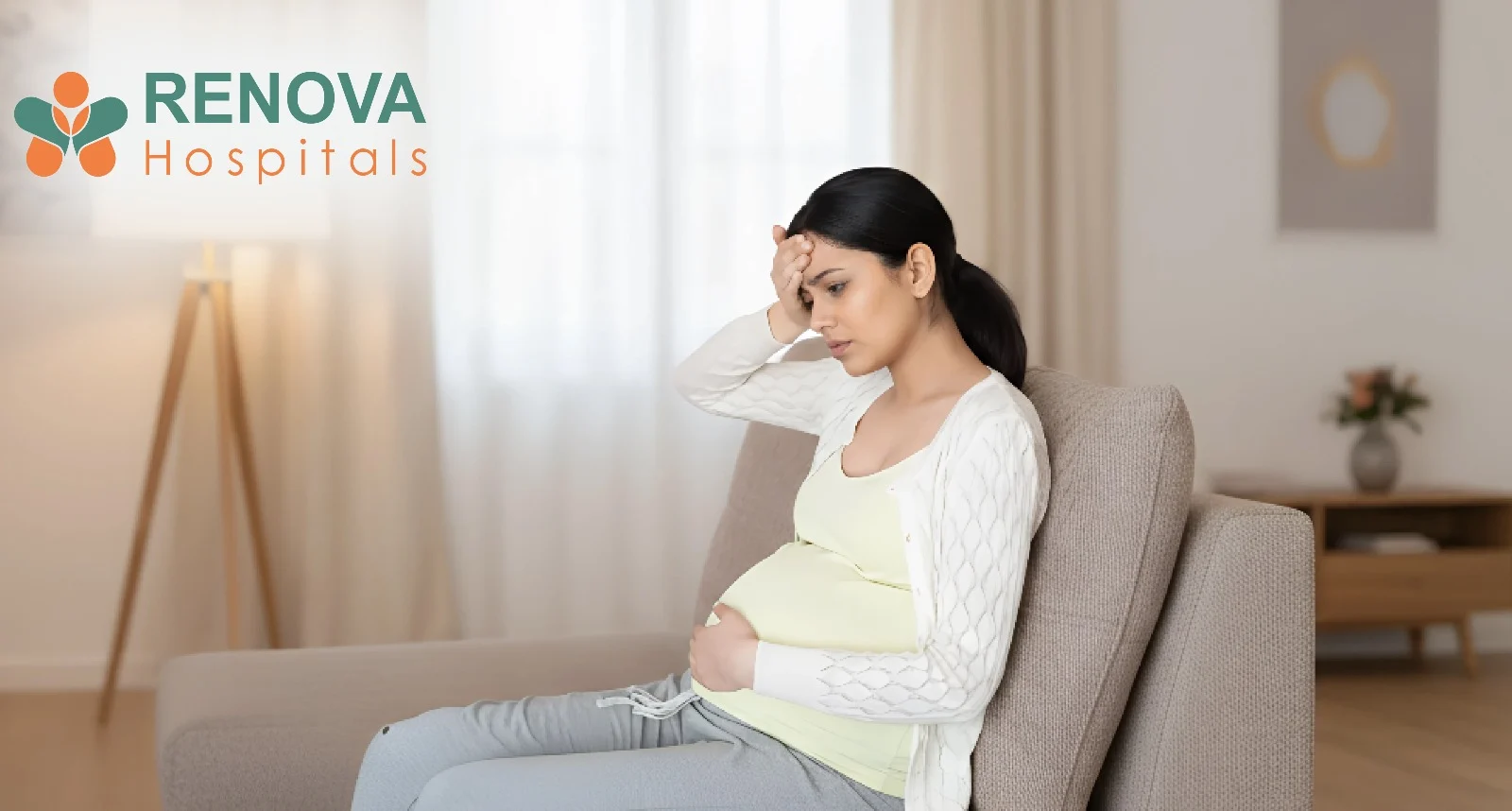
A seizure during pregnancy is a medical emergency — it's often the sign that pre-eclampsia has progressed to eclampsia, a dangerous rise in blood pressure that threatens both mother and baby. Recognising the earlier warning signs, like severe headache, swelling, and vision changes, can be life-saving. Here's what to watch for and when to seek urgent care.
Overview
While pregnancy is typically a period of joyful expectation, sudden medical complications can arise that pose a grave threat to both the mother and the developing fetus. Among the most daunting of these obstetric emergencies are seizures, which are frequently the result of pre-eclampsia, a pregnancy-specific hypertensive disorder escalating into a more dangerous condition known as eclampsia.
When a woman with no prior history of
neurological issues experiences a seizure for the first time while pregnant, it is almost always a critical indicator of severe, undiagnosed pre-eclampsia that requires immediate, life-saving intervention.
On a global scale, and specifically within India, hypertensive disorders remain a primary driver of maternal morbidity and mortality. A significant hurdle in improving these outcomes is the lack of public awareness; many families are unaware that the physiological changes of
pregnancy can trigger seizures even in those who have always been neurologically healthy.
Bridging this information gap is essential. By focusing on the early detection of hypertensive warning signs and ensuring rapid medical management, we can significantly reduce the risks and save the lives of both mothers and their children.
What Are Seizures During Pregnancy?
Seizures during
pregnancy may occur in women with epilepsy, but more importantly, they may appear for the first time due to pregnancy-related complications.
A first seizure during pregnancy is medically treated as
eclampsia until proven otherwise. Eclampsia is the most severe form of pre-eclampsia. It is defined by the occurrence of seizures in a woman with pre-eclampsia that cannot be attributed to other neurological causes.
From a clinical standpoint, seizures in pregnancy are divided into:
- Eclamptic seizures (the most common cause of first-time seizures)
- Epileptic seizures (pre-existing or newly diagnosed)
- Secondary seizures (metabolic imbalance, stroke, infection)
Correct diagnosis determines appropriate treatment for seizures in pregnancy.
What Is Pre-Eclampsia and Why Is It Dangerous?
Pre-eclampsia is a pregnancy-specific disorder characterised by:
- High blood pressure after 20 weeks of gestation
- Protein in the urine
- Damage to organs such as the brain, kidneys, liver, or placenta
When untreated, pre-eclampsia can progress to eclampsia, leading to seizures during pregnancy, coma, or even maternal death.
The brain involvement in pre-eclampsia causes:
- Cerebral swelling
- Reduced blood flow
- Breakdown of the blood–brain barrier
These changes explain that pregnancy can cause seizures even in women with no history of epilepsy.
Where Do Pregnancy-Related Seizures Originate?
Pregnancy places unique stress on blood vessels and the nervous system.
The Brain Placenta Connection
In pre-eclampsia, abnormal placental development leads to widespread blood vessel dysfunction. This causes:
- Sudden blood pressure spikes
- Reduced oxygen delivery to the brain
- Increased seizure risk
This is why seizures affect pregnancy so profoundly; both maternal brain function and fetal oxygen supply are compromised simultaneously.
Characteristics of Seizures Caused by Pre-Eclampsia
- Sudden onset, often without warning: These episodes can occur abruptly, leaving little to no time for preparation or safety measures.
- The risk occurs before, during, and after delivery: it persists throughout the third trimester, during labour, and in the days following birth.
- Frequently preceded by severe headache or visual symptoms: Many patients report a "splitting" headache or seeing "stars" and blurred vision just moments before a seizure begins.
- May recur if blood pressure is not controlled: Without rapid medical intervention to lower hypertension, the body remains in a high-risk state for repeated convulsions.
- Resolution after treatment: Unlike chronic epilepsy, these seizures typically cease once the pre-eclampsia is medically managed and the body is stabilised postpartum.
Pre-Eclampsia Vs Eclampsia
Pre-Eclampsia
a pregnancy-related condition that develops after 20 weeks, characterised by high blood pressure and organ involvement without seizures.
- A pregnancy-related condition marked by high blood pressure developing after 20 weeks of pregnancy
- Usually associated with protein in the urine and/or signs of organ involvement (liver, kidneys, brain)
- Symptoms may include headache, facial or hand swelling, blurred vision, and upper abdominal pain.
- Can be mild or severe, and may progress gradually
- No seizures are present
- Managed with close monitoring, blood pressure control, and timely delivery
- It can be dangerous if untreated, but it is often controlled when detected early
Eclampsia
severe, life-threatening progression of pre-eclampsia in which high blood pressure leads to seizures and neurological complications.
- A severe, life-threatening complication of pre-eclampsia
- Defined by the occurrence of seizures in a woman with pre-eclampsia
- Often accompanied by very high blood pressure and organ failure
- Symptoms may include convulsions, loss of consciousness, severe headache, and visual disturbances
- Requires immediate emergency care
- Treated with magnesium sulfate, blood pressure control, and urgent delivery
- Carries a high risk to both the mother and the baby if not treated promptly
What Causes Seizures During Pregnancy?
Understanding the causes of seizures in pregnancy helps prevent delays in care.
Major causes include:
- Pre-eclampsia and eclampsia (the most common cause of first seizures)
- Poorly controlled epilepsy
- Inadequate or missed pregnancy seizure medication
- Electrolyte imbalance
- Severe anaemia or infection
- Stroke or brain haemorrhage
Significantly, pregnancy itself alters medication metabolism, which can reduce the effectiveness of anti-seizure medication and pregnancy regimens.
Can Seizures Affect Pregnancy Outcomes?
Maternal Risks
- Brain injury: Sustained or severe seizure activity can lead to neurological trauma or long-term cognitive impact.
- Organ failure: Systemic stress from repeated seizures may cause vital organs, such as the kidneys or liver, to malfunction.
- Placental abruption: The physical trauma or vascular stress of a seizure can cause the placenta to detach from the uterus prematurely.
- Death in severe eclampsia: Without intervention, eclamptic seizures pose a life-threatening risk to the mother.
Fetal Risks
- Reduced oxygen during seizures: Maternal respiratory distress during a convulsion can lead to hypoxia in the fetus.
- Growth restriction: Chronic seizure activity or related complications can result in the baby being smaller than average for its gestational age.
- Preterm birth: The stress of seizures or the need for emergency intervention often leads to early delivery.
- Stillbirth: In the most severe cases, uncontrolled seizures can result in the loss of the pregnancy.
Warning Signs of Pre-Eclampsia Before Seizures
Many women experience symptoms hours or days before seizures occur:
- Persistent severe headache
- Blurred vision or flashing lights
- Sudden swelling of the face or hands
- Upper abdominal pain
- Reduced urine output
- Rapid weight gain
Ignoring these symptoms delays life-saving treatment for seizures in pregnancy.
Diagnosis of Seizures During Pregnancy
Early diagnosis is a medical emergency.
Clinical Assessment
- Blood pressure measurement
- Neurological examination
- Identification of a first seizure during pregnancy
Laboratory Tests
- Urine protein
- Liver and kidney function tests
- Platelet count
- Blood sugar and electrolytes
Imaging
MRI may be used if a stroke or brain pathology is suspected, but treatment should never be delayed for imaging.
Treatment of Seizures in Pregnancy
When treating seizures during pregnancy, the primary objective is the stabilisation of the mother, which inherently protects the fetus. Medical intervention is divided into immediate emergency response and long-term management strategies.
1. Emergency Management
- Airway protection and oxygen:
- Magnesium sulfate administration
- Rapid blood pressure control
2. Ongoing Care and Stabilisation
- Continuous clinical monitoring: After the initial event, the mother and fetus require constant observation of vital signs, fetal heart rate, and neurological status.
- Strategic delivery planning: If pre-eclampsia is severe, medical teams must determine the safest time for delivery, as this is the only definitive cure for the condition.
- Medication adjustments: For patients with pre-existing epilepsy, neurologists will fine-tune drug dosages to account for the physiological changes of pregnancy and prevent further breakthrough seizures.
The Definitive Cure
While medication can manage the symptoms, delivery remains the only definitive treatment for pre-eclampsia. Doctors must carefully weigh the urgency of the mother's condition against the baby’s fetal maturity to choose the safest possible moment for birth.
Anti-Seizure Medication and Pregnancy
Guidelines for Medication Safety
- Stick to your treatment plan: Reliability is key, as maintaining a constant therapeutic dose helps prevent sudden, unpredictable seizure activity.
- Avoid quitting cold turkey: Stopping your medicine without a doctor's guidance can cause intense, back-to-back seizures that are hazardous to both mother and child.
- Track your levels frequently: Because a woman's body metabolises medications differently during pregnancy, routine testing is necessary to adjust dosages as the pregnancy progresses.
- Aim for a single-medication approach: To limit the baby's exposure, doctors aim to control symptoms with a single drug at the minimum effective dose.
Expert Coordination
By working closely with a medical team, most women can successfully manage their condition throughout pregnancy. Following these protocols ensures that both maternal health and fetal safety are prioritised.
How to Prevent Seizures During Pregnancy
Preventing seizures during pregnancy is a dual challenge that involves managing pre-existing epilepsy and monitoring for the onset of pregnancy-induced conditions like pre-eclampsia. When left undetected, pre-eclampsia can escalate into eclampsia, a condition characterised by life-threatening seizures. By prioritising early detection and consistent clinical oversight, expectant mothers can create a protective "safety net" for their neurological health.
Strategies for Seizure Prevention
- Before regular antenatal check-ups: Frequent prenatal visits allow doctors to establish a baseline for your health, making it easier to spot subtle physiological changes before they become dangerous.
- Maintain rigorous blood pressure monitoring: High blood pressure is often the first "silent" warning sign of pre-eclampsia. Tracking these numbers ensures that spikes are addressed immediately with medical intervention.
- Participate in routine urine protein screening: The presence of protein in urine (proteinuria) is a key diagnostic marker for pre-eclampsia. Regular testing helps detect kidney strain early.
- Ensure strict adherence to medications: Whether you are taking anti-epileptic drugs or blood pressure stabilisers, missing doses can lower your "seizure threshold," making an episode much more likely.
- Seek immediate evaluation of warning symptoms: Do not ignore sudden symptoms such as severe headaches, vision changes (blurring or "stars"), or significant swelling in the hands and face, as these often precede eclamptic seizures.
- Focus on adequate rest and nutrition: Physical exhaustion and poor nutrition can stress the nervous system. A stable environment, combined with a balanced diet, helps maintain the body's internal balance (homeostasis).
The Role of Early Intervention
The transition from high blood pressure to a full seizure can happen rapidly, but it is rarely unannounced. Clinical studies show that most eclamptic cases are preventable through vigilant monitoring. By treating the symptoms of pre-eclampsia early, often through magnesium sulfate or antihypertensive therapy,y medical teams can effectively "short-circuit" the path to a seizure.
Ultimately, the best defence is a proactive offence. When patients and providers work together to monitor these vital signs, the risk of complications decreases substantially, ensuring a safer course toward delivery.
Post-Delivery Risks and Recovery
- Vigilance in the immediate postpartum window: The first 48 to 72 hours after birth are high-risk for seizure activity. Medical teams must continue to monitor blood pressure and neurological status during this period to prevent delayed-onset eclampsia.
- Positive long-term recovery: With prompt and appropriate medical care, the vast majority of women experience a full recovery without permanent neurological damage.
- Planning for the future: Given the increased risk of recurrence in subsequent pregnancies, future family planning should involve early consultations with specialists to establish a proactive management strategy.
Final Thoughts
Seizures during pregnancy are most often a sign of severe pre-eclampsia and should always be treated as a medical emergency. Recognising early symptoms, understanding whether pregnancy can cause seizures, and acting quickly with proper seizure management in pregnancy can save both mother and baby.
If a woman experiences warning signs or a first seizure during pregnancy, immediate hospital care is critical.
Renova Hospitals provides advanced obstetric emergency care, critical care, and neurological support to ensure safe outcomes for high-risk pregnancies.
Disclaimer
This content is for general health information only. It does not replace professional medical advice. Always consult a qualified healthcare provider for diagnosis and treatment, especially in pregnancy-related emergencies.