Key Takeaways:
- The Silent Epidemic – 1.4 billion adults worldwide have hypertension, yet only 1 in 5 have it controlled, leaving over a billion people vulnerable to preventable heart attacks and strokes.
- Deadliest Risk Factor – Hypertension kills 10 million people annually and directly causes 54% of strokes and 47% of heart disease worldwide—more than any other modifiable risk factor.
- One Condition, Two Names – Hypertension and high blood pressure are identical. The hypertension blood pressure range starts at 130/80 mm Hg (Stage 1); readings above 180/120 mm Hg are a medical emergency.
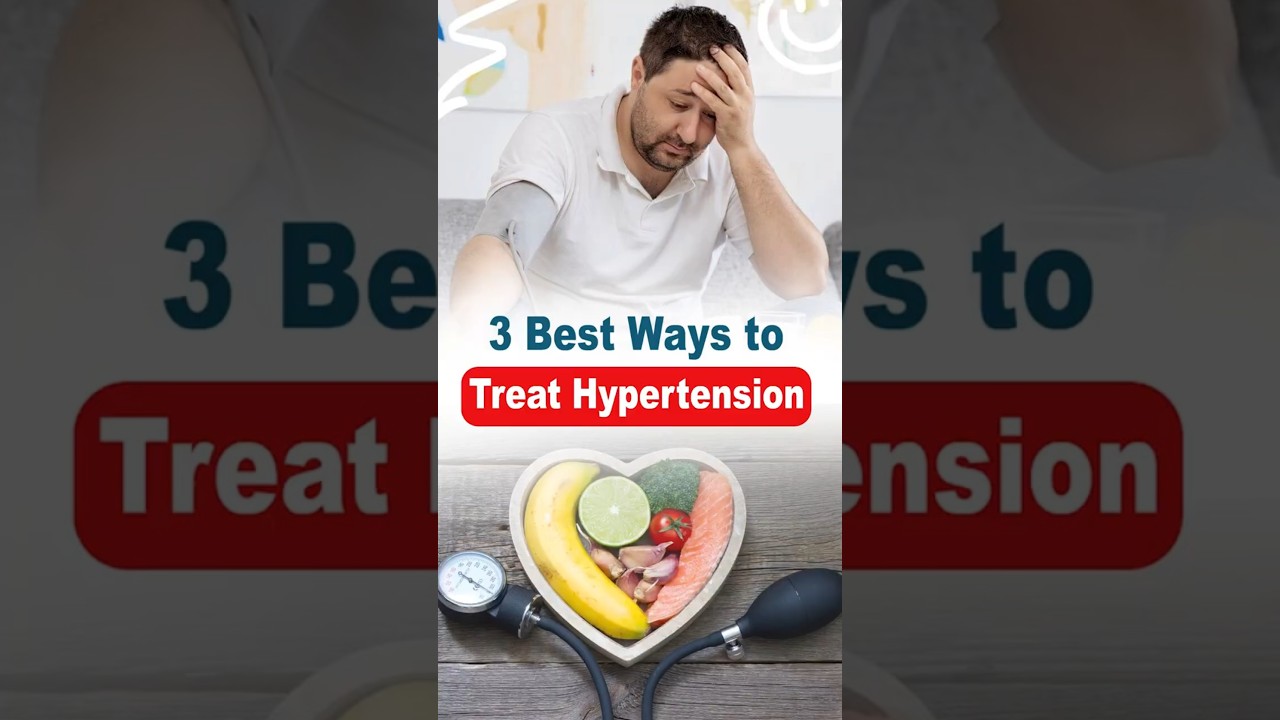
- Potassium Is Powerful – Increasing potassium intake to 4.7 g daily drops blood pressure by 8.0/4.1 mm Hg, accounting for up to 88% of dietary interventions' effectiveness. Eat more bananas, leafy greens, and sweet potatoes.
- Lifestyle Changes Work – Regular exercise alone reduces blood pressure by 3.84/2.58 mm Hg. Combined with the DASH diet, weight loss, stress management, and limiting alcohol/sodium, many high BP patients can delay or avoid pharmaceutical drugs.
Is hypertension and high blood pressure the same?
Yes. Hypertension and high blood pressure are identical terms describing the same medical condition. There is no difference between hypertension and high blood pressure; hypertension is simply the medical term healthcare professionals use for elevated blood pressure levels.
Understanding the difference between hypertension and blood pressure is important: blood pressure refers to the force of blood against artery walls, while hypertension specifically means persistently elevated blood pressure that requires medical attention.
Understanding Hypertension Blood Pressure Range and Levels
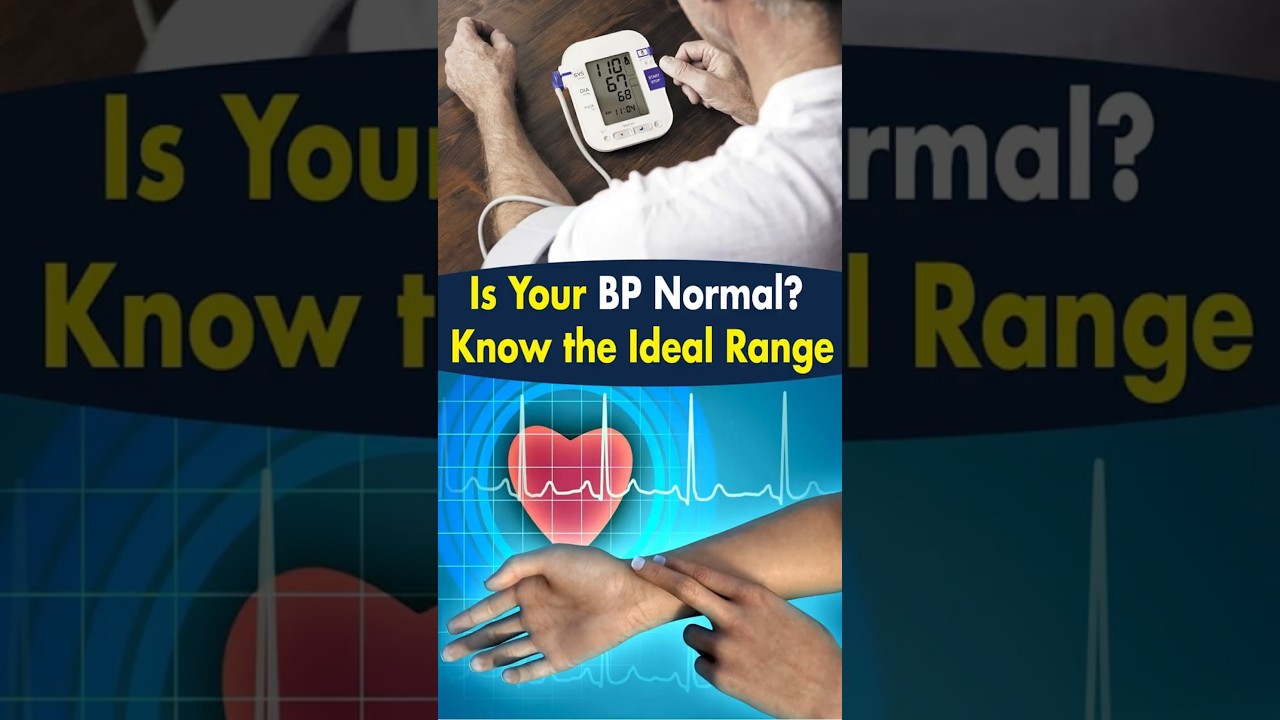
Normal: Less than 120/80 mm Hg – Your cardiovascular system is functioning optimally. Maintain healthy lifestyle habits and continue annual check-ups.
Elevated: 120–129/less than 80 mm Hg – Warning stage. Implement lifestyle modifications immediately to prevent progression to hypertension.
Stage 1 Hypertension: 130–139/80–89 mm Hg – Hypertension blood pressure range begins here. Lifestyle changes are essential; medication may be recommended depending on cardiovascular risk factors.
Stage 2 Hypertension: 140/90 mm Hg or higher – Requires both lifestyle modifications and pharmaceutical drugs in most cases. Close medical supervision is necessary.
Hypertensive Crisis: Higher than 180/120 mm Hg – Medical emergency. If accompanied by symptoms like chest pain, shortness of breath, or vision changes, call 911 immediately.
If you're a high BP patient, readings at or above 130/80 mm Hg indicate your cardiovascular system is under strain and requires intervention.
Types of Hypertensive Disease Affecting Your Heart
1. Coronary Artery Disease (Heart High Blood Pressure Complication)
High blood pressure accelerates plaque buildup inside the coronary arteries. As these vessels narrow, blood supply to your heart muscle decreases, leading to chest pain (angina) and significantly increasing heart attack risk.
2. Left Ventricular Hypertrophy (LVH)
When your heart constantly pumps against elevated blood pressure levels, the left ventricle thickens to compensate. Over time, this thickened muscle becomes less efficient, reducing your heart's pumping ability and potentially progressing to heart failure or dangerous abnormal heart rhythms.
What are the symptoms of high blood pressure?
When hypertension blood pressure reaches dangerous levels, you may experience:
- Severe headaches or pounding headaches
- Blurred or double vision
- Chest pain or tightness
- Shortness of breath or difficulty breathing
- Extreme fatigue or weakness
- Irregular heartbeat or heart palpitations
- Swelling in legs, ankles, or feet
- Confusion or difficulty concentrating
- Nosebleeds (in severe cases)
Most high BP patients experience no symptoms until hypertension becomes severe. This is why regular screening is critical.
If blood pressure is high, what to do immediately? If your blood pressure exceeds 180/120 mm Hg and you experience chest pain, severe headache, shortness of breath, vision changes, weakness, or difficulty speaking, call emergency services immediately. This is a hypertensive crisis requiring urgent medical care.
Causes of Low Blood Pressure in Hypertensive Patients
Can a high BP patient have low blood pressure? Yes. Causes of low blood pressure in hypertensive patients include:
Overmedication: Taking too much blood pressure medication or combining multiple pharmaceutical drugs without proper monitoring can drop blood pressure too low.
Dehydration: Insufficient fluid intake reduces blood volume, causing blood pressure to fall even in hypertensive individuals.
Postural Changes: Standing up quickly can cause orthostatic hypotension, especially in older high BP patients taking medications.
Heart Problems: Existing heart conditions can impair pumping efficiency, leading to low blood pressure episodes.
Endocrine Issues: Thyroid disorders, adrenal insufficiency, or low blood sugar affect blood pressure regulation.
Severe Infection: Sepsis can cause dangerous blood pressure drops.
Nutritional Deficiencies: Low vitamin B12, folate, or iron levels contribute to blood pressure instability.
If you're a high BP patient experiencing dizziness, fainting, blurred vision, or extreme fatigue, consult your healthcare provider immediately to evaluate medication dosages.
Who Is at Risk for Hypertension?
Anyone can develop high blood pressure, but certain factors significantly increase your risk of becoming a high BP patient:
Lifestyle Factors:
- Overweight or obesity (excess body weight forces your heart to work harder)
- Physical inactivity or a sedentary lifestyle
- High-sodium diet (processed foods, restaurant meals, canned goods)
- High-fat diet rich in saturated and trans fats
- Smoking or tobacco use
- Excessive alcohol consumption
- Inadequate potassium intake
Non-Modifiable Risk Factors:
- Family history of hypertensive disease or heart disease
- Increasing age (risk rises after 45 for men, 55 for women)
- Male sex and postmenopausal women
- Chronic stress and inability to manage pressure effectively
Medical Conditions:
- Diabetes
- Chronic kidney disease
- Sleep apnea
- Thyroid disorders
How to Prevent Hypertension: Lifestyle Modifications
High blood pressure hypertension prevention starts with daily habits. These strategies can prevent hypertension or reduce existing high blood pressure:
1. Physical Activity
Engage in at least 150 minutes of moderate aerobic activity weekly (brisk walking, swimming, cycling). Regular exercise strengthens your heart and improves blood vessel flexibility.
2. Heart-Healthy Diet
Follow the
DASH (Dietary Approaches to Stop Hypertension) eating plan:
- Increase fruits, vegetables, whole grains, and lean proteins
- Choose low-fat or fat-free dairy products
- Reduce sodium intake to less than 2,300 mg daily (ideally 1,500 mg)
- Increase potassium-rich foods (bananas, sweet potatoes, spinach, beans)
- Limit saturated fats and eliminate trans fats
3. Weight Management
Maintain a healthy body weight through balanced nutrition and regular physical activity. Even losing 5-10 pounds can significantly reduce blood pressure in overweight high BP patients.
4. Limit Alcohol
Men should limit alcohol to two drinks daily; women to one drink daily. Excessive alcohol raises hypertension blood pressure and interferes with pharmaceutical drugs.
5. Quit Smoking
Tobacco use damages blood vessel walls and accelerates hypertensive disease progression. Every cigarette temporarily raises blood pressure and increases heart attack risk.
6. Reduce Caffeine
While caffeine's long-term effects on blood pressure are debated, some high BP patients are sensitive. Monitor your response and limit intake if necessary.
7. How to Handle Stress and Pressure
Chronic stress contributes to hypertension. Effective stress management techniques include:
- Deep breathing exercises and meditation
- Regular physical activity
- Adequate sleep (7-9 hours nightly)
- Time management and prioritisation
- Social support and meaningful relationships
- Professional counselling when needed
- Mindfulness practices
Learning how to handle stress and pressure effectively is essential for high blood pressure hypertension prevention and overall cardiovascular health.
Potassium and Blood Pressure Connection
How does potassium help hypertension? Potassium plays a crucial role in high blood pressure hypertension prevention by:
- Balancing sodium's negative effects on blood pressure
- Relaxing blood vessel walls, improving blood flow
- Reducing tension in arterial walls
- Supporting kidney function to eliminate excess sodium
Potassium-rich foods for high BP patients:
- Bananas, oranges, and cantaloupe
- Sweet potatoes and regular potatoes
- Spinach, broccoli, and Swiss chard
- Beans and lentils
- Avocados
- Tomatoes
- Low-fat dairy products
- Fish (salmon, tuna)
Most adults should consume 3,500-4,700 mg of potassium daily. However, high BP patients with kidney disease or those taking certain pharmaceutical drugs should consult healthcare providers before increasing potassium intake.
Monitoring Your Hypertension Blood Pressure at Home
Accurate home monitoring improves blood pressure control and helps high BP patients track treatment effectiveness.
How to Measure Blood Pressure Correctly
- Timing: Take readings at the same time each day, preferably morning and evening
- Preparation: Avoid smoking, caffeine, and exercise at least 30 minutes before measuring
- Rest: Sit quietly for 5 minutes before taking your reading
- Positioning: Sit comfortably with both feet flat on the floor, back supported
- Arm Position: Keep the arm at heart level, supported on a table
- Cuff Placement: Position the cuff directly on bare skin, not over clothing
- Stay Still: Don't talk or move during measurement
- Multiple Readings: Take 2-3 readings one minute apart and record the average
- Record Keeping: Maintain a log to share with your healthcare provider
Immediate Actions When Blood Pressure Exceeds 180/120
- Stay Calm: Anxiety further elevates blood pressure
- Rest: Sit down immediately and rest for 5 minutes
- Recheck: Measure blood pressure again after resting
- Assess Symptoms: Check for chest pain, shortness of breath, vision changes, weakness, or severe headache
- Call Emergency Services: If blood pressure remains above 180/120 AND you have symptoms, call 911 immediately
- Don't Wait: Never ignore severely elevated blood pressure with symptoms; this is a medical emergency
Prevention Starts with Timely Evaluation
High blood pressure does not announce itself, but its complications can be life-altering. The most effective strategy is early detection, structured monitoring, and expert-guided management.
At Renova Hospitals, comprehensive cardiac evaluation, hypertension management protocols, advanced diagnostics, and multidisciplinary care work together to ensure early intervention and long-term heart protection. Regular health check-ups and timely consultation with experienced specialists can significantly reduce your risk of heart attack, stroke, and organ damage.
If you or a loved one has elevated blood pressure readings, do not delay evaluation. Proactive care today protects your heart for tomorrow.
Your heart deserves the best care. Start today.