Key Takeaways
- Alzheimer’s disease is the most common cause of dementia, accounting for 60 to 70% of dementia cases worldwide.
- India is witnessing a steady rise in Alzheimer’s cases due to an ageing population and increasing life expectancy.
- Early symptoms include memory loss, confusion, difficulty completing familiar tasks, and personality changes.
- Risk factors include age 65+, genetics, diabetes, hypertension, obesity, and a sedentary lifestyle.
- Although there is no cure for Alzheimer’s disease, early diagnosis and treatment can slow progression and improve quality of life.
- Lifestyle interventions such as regular exercise, blood pressure control, and cognitive engagement may reduce risk.
- Timely consultation with a neurologist for symptoms of memory loss is essential for early intervention.
Alzheimer’s disease is one of the fastest-growing
neurological disorders globally and an emerging public health concern in India. As life expectancy increases, more individuals are living into their 70s and 80s, the age group most vulnerable to cognitive decline.
According to global estimates, more than
55 million people live with
dementia worldwide, and Alzheimer’s disease accounts for the majority of these cases. In India, millions of families are affected, often without early diagnosis or structured support.
Memory loss is frequently dismissed as “normal ageing,” leading to delayed consultation. However, progressive memory decline is not a regular part of ageing. Recognising the early signs of Alzheimer’s disease can make a significant difference in long-term outcomes.
What Is Alzheimer’s Disease?
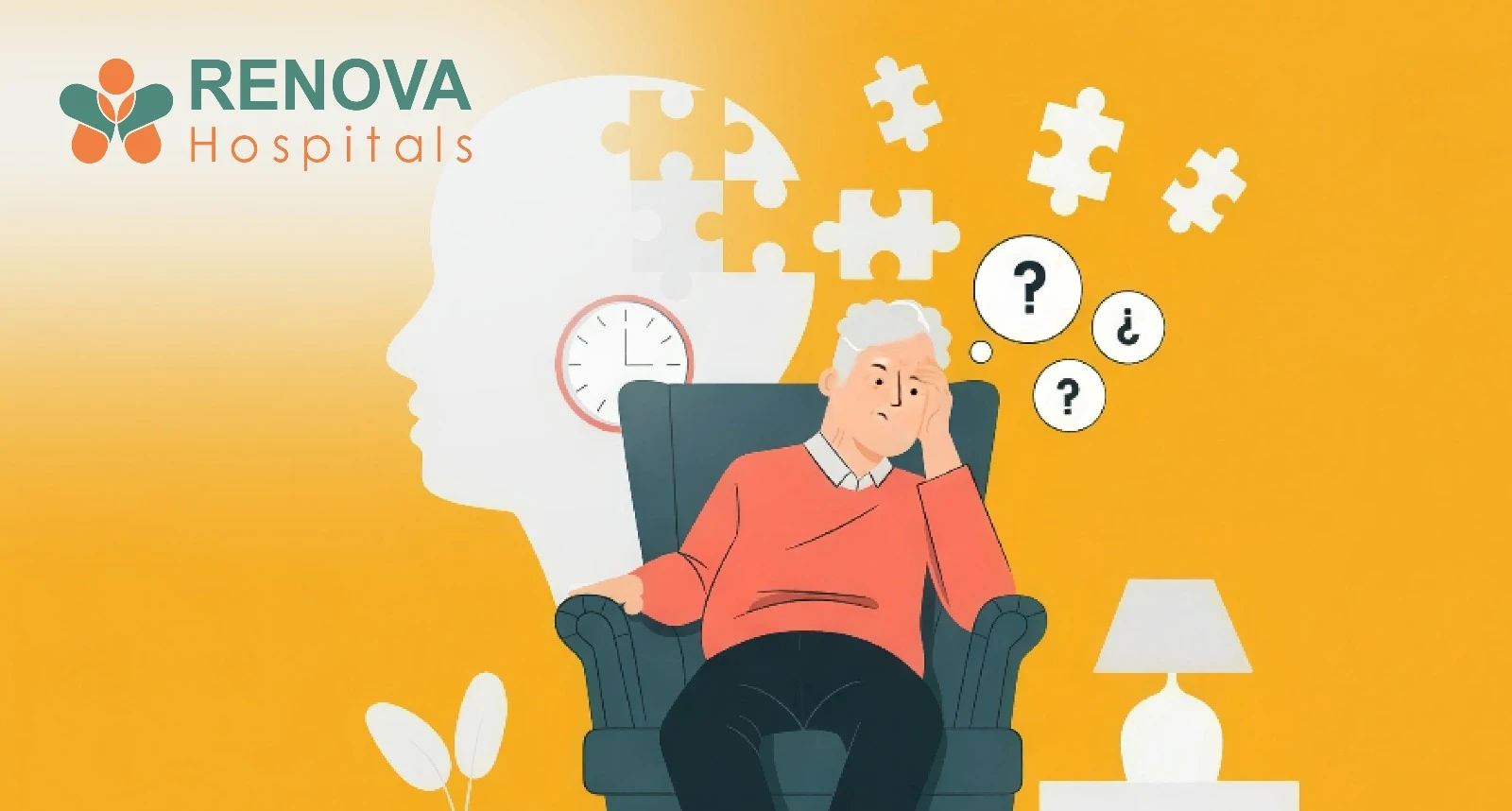
Alzheimer’s disease is a progressive neurodegenerative disorder that damages brain cells over time. It is the leading cause of dementia.
Dementia is a broad term used to describe memory loss and cognitive decline severe enough to interfere with daily activities. Alzheimer’s affects explicitly:
- Memory
- Thinking
- Judgment
- Language
- Behavior
Physically, Alzheimer’s happens when abnormal
proteins build up in the brain:
- Amyloid plaques
- Tau tangles
These changes disrupt communication between nerve cells and ultimately lead to the death of brain cells. Over time, the brain shrinks, particularly in areas responsible for memory and reasoning.
Unlike occasional forgetfulness associated with ageing, Alzheimer’s symptoms progressively worsen.
Why Alzheimer’s Disease Is Increasing in India
India is experiencing a demographic shift as its population ages. Since age is the most substantial risk factor for Alzheimer’s, cases are rising.
Several contributing factors include:
- Increased life expectancy
- Rising rates of diabetes and hypertension
- Urban lifestyle stress
- Sedentary habits
- Lack of early cognitive screening programs
- Underdiagnosis in rural regions
On top of that, many people aren't aware of the early warning signs.
Alzheimer’s disease in India is not only a medical issue but also a social and caregiving challenge, as family members often serve as primary caregivers.
What Are the Early Signs of Alzheimer’s Disease?
Spotting these signs early makes a huge difference in getting the right help.
Early Stage Symptoms
- Forgetting recently learned information
- Asking the same questions repeatedly
- Misplacing objects frequently
- Difficulty finding the right words
- Trouble planning or managing finances
- Confusion about dates, time, or location
- Reduced ability to make decisions
If memory loss begins to interfere with work, social activities, or daily routines, a medical evaluation is recommended.
Moderate Stage Symptoms
- Increased confusion and disorientation
- Personality and mood changes
- Difficulty recognising familiar people
- Wandering behaviour
- Trouble performing daily tasks like dressing or cooking
Advanced Stage Symptoms
- Severe memory impairment
- Loss of speech
- Difficulty swallowing
- Complete dependence on caregivers
Alzheimer’s progresses gradually, but the speed varies from person to person.
Causes and Risk Factors of Alzheimer’s Disease
While the exact cause is not fully understood, several risk factors are strongly associated with Alzheimer’s disease.
2. Genetics
A family history of Alzheimer’s increases risk. The
APOE-e4 gene variant has been linked to increased susceptibility, though not everyone with the variant develops the disease.
3. Cardiovascular Disease
Conditions that damage blood vessels also impact brain health:
- High blood pressure
- Diabetes
- High cholesterol
- Obesity
- Smoking
Maintaining heart health supports cognitive health.
4. Lifestyle Factors
Sedentary lifestyle, poor diet, lack of mental stimulation, and chronic stress may contribute to cognitive decline.
5. Head Injury
Severe traumatic brain injury increases long-term dementia risk.
6. Low Cognitive Reserve
Lower levels of education and limited lifelong mental engagement may reduce the brain’s resilience against degeneration.
How Is Alzheimer’s Disease Diagnosed?
There is no single definitive test. Diagnosis involves a comprehensive evaluation.
Clinical Assessment
- Detailed medical history
- Family history
- Cognitive and memory tests
- Behavioural evaluation
Brain Imaging
- MRI scan to assess brain shrinkage
- CT scan to rule out other conditions
- PET scan in selected cases
Laboratory Tests
Blood tests help exclude reversible causes such as thyroid disorders or vitamin deficiencies.
Catching it early gives families time to start treatments and plan for the future.
Stages of Alzheimer’s Disease
Alzheimer’s disease typically progresses through three broad stages.
Mild (Early Stage)
- Memory lapses
- Mild confusion
- Independent living possible
Moderate (Middle Stage)
- Increased memory loss
- Mood swings
- Assistance required for daily activities
Severe (Late Stage)
- Severe cognitive decline
- Loss of communication
- Complete dependence
Understanding stages helps caregivers anticipate future needs.
Treatment Options for Alzheimer’s Disease
There is currently no cure for Alzheimer’s disease. Treatment focuses on
slowing progression and managing symptoms.
Medications
Common medications prescribed include:
- Donepezil
- Rivastigmine
- Galantamine
- Memantine
These drugs may improve communication between brain cells and temporarily stabilise symptoms.
Non-Medication Therapies
- Cognitive stimulation therapy
- Structured daily routines
- Physical exercise
- Music and art therapy
- Social interaction
These approaches improve quality of life and reduce behavioural disturbances.
Caregiver Support
Caregiver stress is everyday in Alzheimer’s management. Counselling, respite care, and support groups are essential components of comprehensive care.
Life Expectancy After Alzheimer’s Diagnosis
On average, individuals live 4 to 8 years after diagnosis. Some may live up to 15 years depending on age, overall health, and early intervention.
Early diagnosis improves care planning and prolongs independence.
Diet & Nutrition for Alzheimer’s Patients
While no specific food can cure Alzheimer’s, a brain-healthy diet is essential. Eating the right foods can help slow cognitive decline, stabilise energy levels, and significantly improve a patient's daily quality of life.
Because people with Alzheimer's often forget to eat or may struggle with swallowing, a simple, structured meal plan makes a huge difference. The most highly recommended diets for brain health (like the Mediterranean and MIND diets) all focus on reducing inflammation and protecting the brain's blood vessels.
What to Eat (Brain-Boosting Foods):
- Green leafy vegetables: Spinach (palak), fenugreek (methi), and other greens.
- Fresh fruits: Especially berries, papaya, guava, and pomegranate.
- Whole grains: Brown rice, whole wheat rotis, and nutrient-dense millets (ragi, jowar).
- Healthy fats & nuts: Walnuts, almonds, and cooking with olive or mustard oil.
- Lean protein: Beans, lentils (dals), and fatty fish (like Indian mackerel or salmon) if you eat meat.
What to Limit:
- Fried, fast, and highly processed foods
- Excess salt and sugary sweets
- Refined white flour and red meat
Keeping meals nutritious, familiar, and simple to eat is one of the best ways to support your loved one's overall health.
Can Alzheimer’s Disease Be Prevented?
You can't completely guarantee you won't get Alzheimer's, but building healthy habits early can significantly lower your risk.
Brain-Healthy Habits
- Engage in regular aerobic exercise.
- Follow a Mediterranean-style diet rich in fruits, vegetables, and healthy fats. Control blood pressure and blood sugar.
- Stay mentally active through reading, puzzles, and learning.g
- Maintain social connections
- Get adequate sleep
Protecting cardiovascular health is one of the most effective strategies for reducing Alzheimer’s risk.
When Should You See a Neurologist for Memory Loss?
- Memory loss disrupts daily life.
- Confusion worsens progressively. Behavioural or personality changes are noticeable.
- Family members observe a decline.
Early consultation ensures accurate diagnosis and better management outcomes.
Medical Disclaimer
This article is for educational and informational purposes only and does not substitute professional medical advice, diagnosis, or treatment. Alzheimer’s disease progression varies among individuals. Consult a qualified neurologist for personalised assessment and treatment planning. In case of sudden confusion or neurological emergencies, seek immediate medical attention.