Festivals in India are a time of joy, connection, and celebration. From Diwali and Holi to Eid, Navratri, and Pongal, every festival brings families together with food, rituals, and traditions.
But for people living with chronic conditions like diabetes, hypertension, heart disease, or respiratory illnesses, festivals can also bring unexpected health challenges. Changes in diet, sleep, routine, and medication adherence during festive periods can increase health risks if not managed carefully. Understanding how to balance celebration with self-care is essential.
Key Takeaways
- Festivals can disrupt diet, sleep, and medication, increasing health risks for people with chronic diseases.
- Overeating sweets, salty foods, and alcohol can worsen diabetes, blood pressure, and heart conditions.
- Simple habits like portion control, staying hydrated, and regular medication help prevent complications.
- Maintaining routine sleep, physical activity, and stress management is essential during festivals.
- Planning and making mindful choices can help you enjoy festivals safely without harming your health.
Why Festivals Can Be Risky for Chronic Conditions
During festivals, daily routines often change in ways that can affect health:
- High-calorie foods (sweets, fried snacks, sugary drinks)
- Late nights and irregular sleep
- Missed medications due to travel or celebrations
- Reduced physical activity
- Exposure to pollution and crowds
Research in India shows that finding a balance between celebration and self-care is important, and cardiometabolic risks increase due to overeating and lifestyle disruptions.
Common Chronic Conditions Affected During Festivals
1. Diabetes and Blood Sugar Imbalance
Festivals and sweets go hand in hand, but this can be challenging for people with
diabetes.
Key risks:
- High intake of sweets like laddoos, barfi, jalebi
- Skipping meals and overeating later
- Irregular insulin or medication use
India already has one of the highest diabetes burdens, and festive indulgence can worsen control significantly.
2. Hypertension and Heart Disease
Festive foods are often rich in salt and fat.
Common triggers:
- Processed snacks, pickles, and fried foods
- Alcohol consumption
- Stress and lack of sleep
This combination can lead to:
3. Respiratory Conditions (Asthma, COPD)
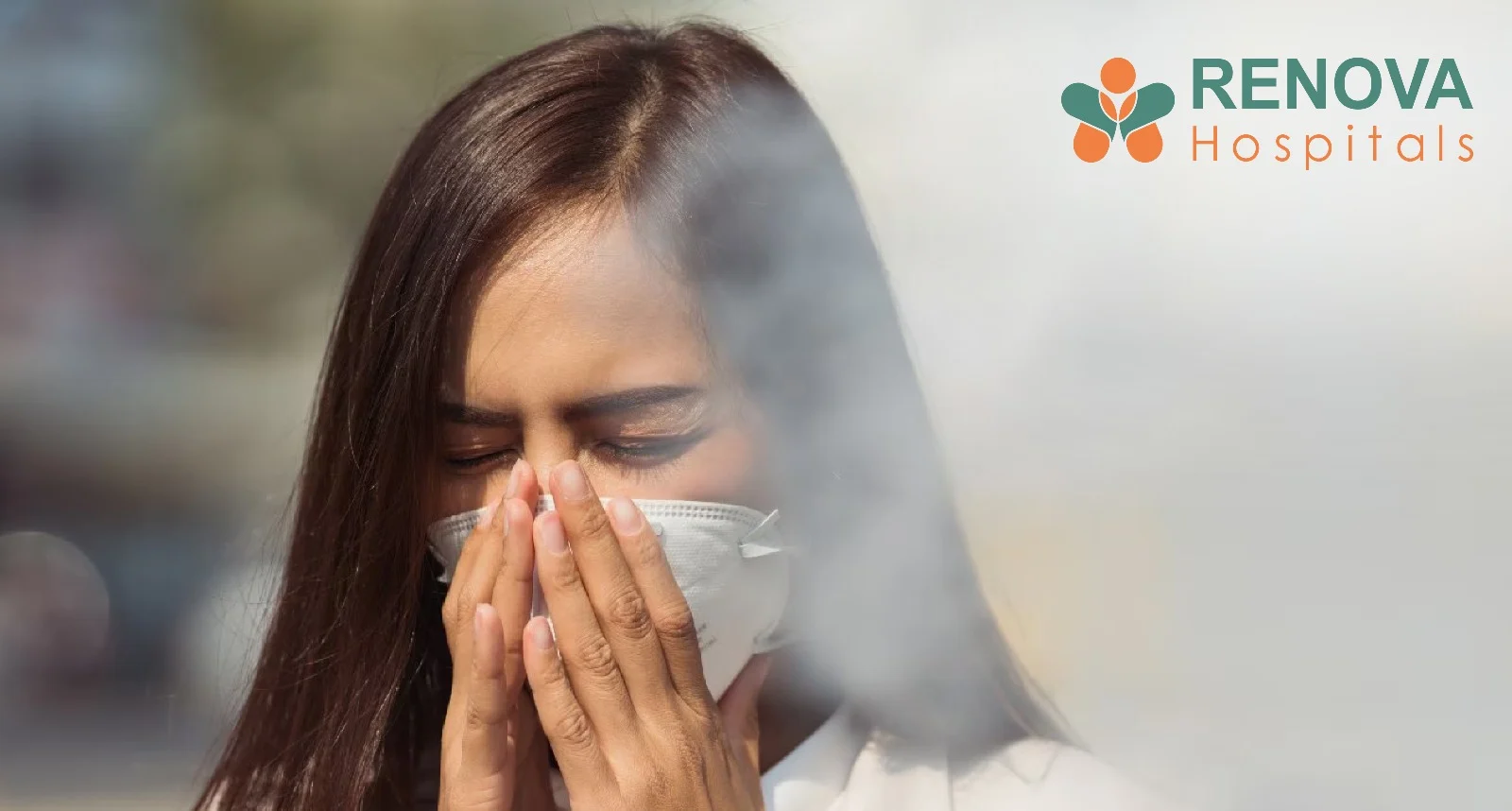
Air pollution during festivals like Diwali can trigger serious breathing issues.
Major risks:
- Firecracker smoke (PM2.5, PM10)
- Dust and chemical colours during Holi
- Crowded environments
Patients with asthma or COPD often experience flare-ups during these periods.
4. Mental Health Conditions
Festivals can feel overwhelming for some people.
They can increase:
- Anxiety
- Stress
- Insomnia
- Emotional overload
Routine disruption is particularly challenging for individuals with depression or other mental health conditions.
Cultural Challenges in Managing Health During Festivals
In India, food is deeply connected to emotions, traditions, and relationships.
Some common challenges include:
- Social pressure to eat sweets and festive foods
- Feeling uncomfortable saying โnoโ to family or hosts
- Fasting practices without medical guidance
- Travel disrupts regular healthcare access
These factors make disease management more difficult compared to regular days.
How to Manage Chronic Diseases During Festivals
1. Plan Before the Festival
Preparation is key.
- Consult your doctor before major festivals.
- Adjust medications if needed (especially for diabetes)
- Keep enough medicines while travelling
- Set reminders for medication timing
A simple โfestival health planโ can prevent complications.
2. Eat Smart, Not Less
You donโt have to avoid everything; you need to eat wisely.
Practical tips:
- Take small portions instead of full servings
- Avoid going back for refills
- Balance sweets with high-fibre foods
- Choose baked or roasted options over fried ones
Healthier swaps:
Use sugar substitutes (in moderation)- Prefer homemade sweets
- Replace deep-fried snacks with air-fried options
3. Stay Hydrated
Hydration is often ignored during celebrations.
Choose:
Water- Coconut water
- Buttermilk
Avoid:
Sugary drinks- Excess alcohol
Proper hydration helps regulate blood sugar, digestion, and energy levels.
4. Maintain Physical Activity
Even during festivals, staying active is important.
Walk for 20โ30 minutes daily.- Take the stairs instead of the lifts
- Participate in active celebrations
Even small amounts of movement can help balance extra calorie intake.
5. Donโt Compromise on Sleep
Late nights are common, but lack of sleep affects:
Blood sugar levels- Blood pressure
- Mental health
Try to:
Maintain at least 6โ7 hours of sleep- Avoid consecutive late nights
6. Manage Stress and Mental Health
Festivals can be overwhelming.
Try:
Deep breathing exercises- Meditation or yoga
- Taking short breaks during social gatherings
7. Be Careful with Fasting Practices
Fasting is common during festivals like Navratri or Ramadan.
If you have:
Diabetes- Kidney disease
- Heart conditions
Always consult a doctor before fasting.
Unplanned fasting can lead to:
Low blood sugar (hypoglycaemia)- Dehydration
- Fatigue
8. Protect Yourself from Environmental Risks
During Diwali:
Avoid heavy-smoke areas- Use masks if needed
- Keep inhalers handy
During Holi:
Avoid chemical colours- Protect skin and eyes
During large gatherings:
Stay hydrated- Avoid overcrowded spaces if unwell
9. Stick to Your Medication Routine
This is one of the most common mistakes during festivals.
Do NOT skip medicines.- Carry medications when travelling.
- Set alarms if needed.
Missing doses can affect disease control.
Role of Family and Community in Health Management
Family support plays a crucial role in India.
Families can help by:
Offering healthier food options- Encouraging portion control
- Supporting medication routines
Community awareness:
Health talks during festivals- Low-sugar or low-salt food options
- Promoting balanced celebrations
A supportive environment can make a positive difference.
When Should You Be Careful?
Seek medical help if you experience:
Sudden chest pain- Breathlessness
- Severe dizziness
- Very high or low blood sugar
- Persistent vomiting or dehydration
Ignoring symptoms during festivals can delay critical care.
Expert Care at Renova Hospitals
At
Renova Hospitals, we understand how lifestyle changes during festivals can impact chronic conditions.
Personalised disease management plans- Preventive health check-ups
- Emergency care support
24/7 Emergency: 040 2333 3333
If you have a chronic condition, consulting early can help you manage your health better during festivals.
Conclusion
Festivals are meant to be enjoyed, not feared. Managing chronic diseases during festivals does not mean avoiding celebrations. It means making informed choices.
With:
Smart eating- Regular medication
- Balanced routines
- Family support
You can celebrate fully while protecting your health. A healthy festival is a truly happy festival.
Medical Disclaimer
This content is for informational purposes only and should not replace professional medical advice. Please consult a qualified healthcare professional for diagnosis and treatment.
FAQ
1. Why are festivals risky for people with chronic diseases?
Festivals often disrupt routine, diet, sleep, and medication, which can worsen conditions like diabetes and hypertension.
2. Can people with diabetes eat sweets during festivals?
Yes, but in moderation. Small portions and healthier alternatives are recommended.
3. How can I manage my medications during festivals?
Take medicines on time, set reminders, and always carry them while travelling.
4. What are the warning signs to seek medical help?
Chest pain, breathlessness, severe dizziness, or very high/low blood sugar require immediate medical attention.
5. Where can I get expert care for chronic disease management during festivals?
You can visit Renova Hospitals for expert care and personalised treatment plans.
24/7 Emergency: 040 2333 3333