Introduction: A Crisis We Can’t Ignore Anymore
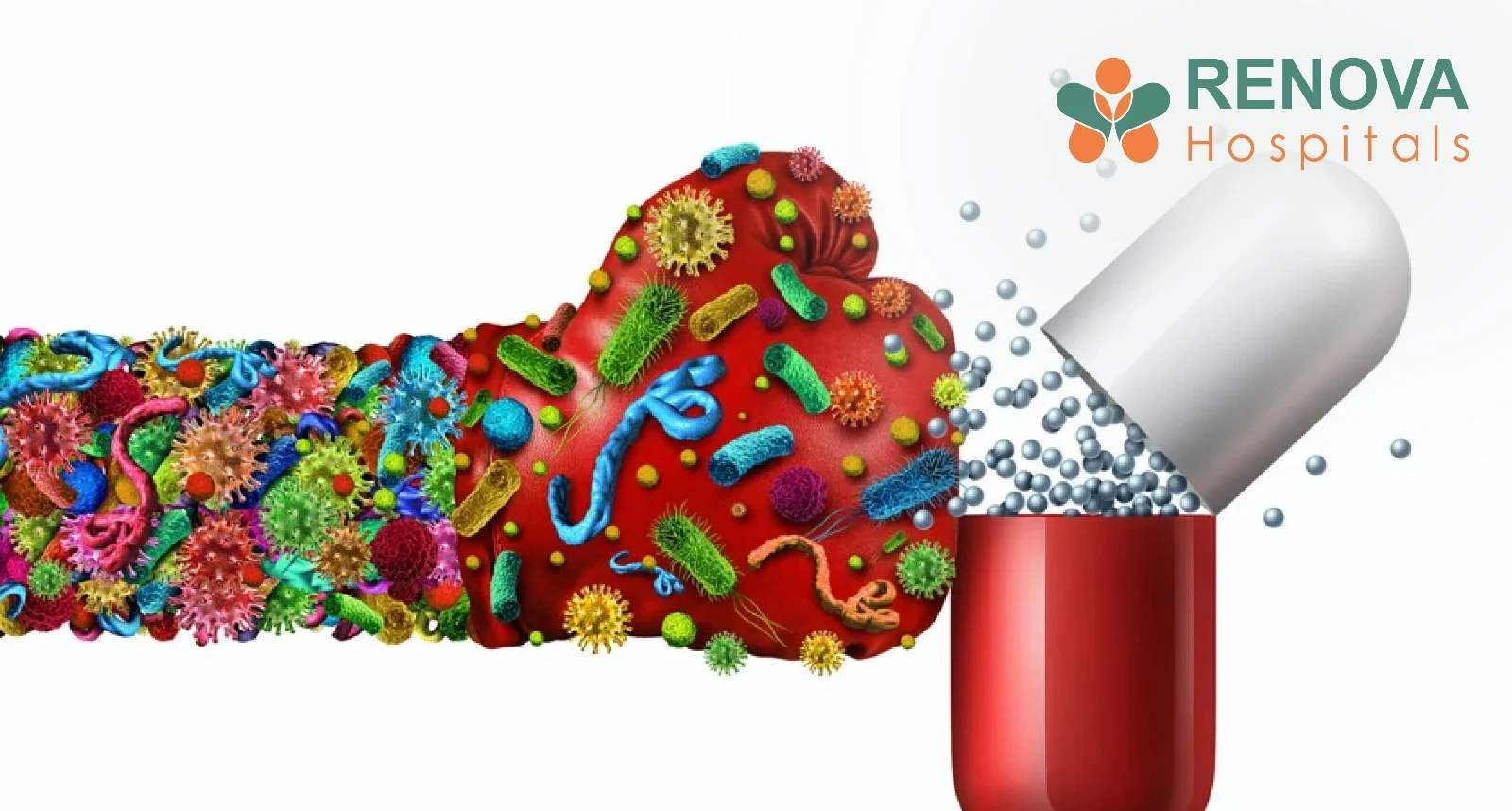
Antibiotics have transformed modern medicine. They made it possible to treat infections that were once fatal and enabled advanced medical procedures such as surgeries, organ transplants, and cancer treatments. But today, this progress is being challenged.
When action is delayed, bacteria can change in ways that make antibiotics ineffective, making infections harder to treat and increasing risks.
Globally, antibiotic resistance is already responsible for millions of deaths every year. If timely action is not taken, it could become the
leading cause of death in the coming decades. This is why antibiotic resistance is often referred to as a “silent pandemic.”
Key Takeaways
- Antibiotic resistance occurs when bacteria stop responding to medicines, making infections harder to treat
- Misuse and overuse of antibiotics are the main drivers of resistance worldwide.
- India faces a higher risk due to easy access, high infection rates, and a lack of awareness.
- Resistant infections can lead to longer illness, higher costs, and serious complications.s
- Even routine medical procedures become risky when antibiotics are no longer effective.
- Responsible antibiotic use, hygiene, and early medical consultation can help protect both individual and public health. and their communities, making a real difference in the fight against antibiotic resistance.
What Is Antibiotic Resistance?
Antibiotic resistance happens when bacteria develop the ability to survive exposure to antibiotics that would normally kill them.
This means:
- Medicines stop working
- Infections become harder to treat
- Patients may need stronger and more expensive drugs
It is important to understand that the human body does not become resistant to bacteria. Over time, bacteria adapt through natural processes such as mutation or the sharing of resistance traits, making antibiotic resistance a growing threat.
Why Antibiotic Resistance Is a Major Healthcare Threat
1. Increasing Deaths and Disease Burden
Antibiotic resistance is no longer a future concern; it is happening now.
Millions of people worldwide are affected by infections that no longer respond to standard treatments. In many cases, patients require longer hospital stays, intensive care, and alternative medications that may not always be effective. If current trends continue, antibiotic resistance could surpass diseases like cancer in terms of global mortality.
2. The Growing Crisis in India
India faces a particularly serious challenge with antibiotic resistance.
Several factors contribute to this:
- Easy access to antibiotics without a prescription
- High population density
- Increased infection rates
- Lack of awareness about proper antibiotic use
In many hospitals, especially in critical care units, a large proportion of infections are caused by difficult-to-treat bacteria. Additionally, antibiotic-resistant infections significantly increase treatment costs, placing a financial burden on families and the healthcare system.
3. Threat to Modern Medical Treatments
Antibiotic resistance affects more than just infections; it impacts the entire healthcare system.
Procedures that depend on effective antibiotics become riskier, including:
- Surgeries
- Organ transplants
- Cancer chemotherapy
- Intensive care treatments
Even routine infections, such as urinary tract infections or pneumonia, can become life-threatening if antibiotics fail.
How Antibiotic Resistance Develops
Bacteria are highly adaptable organisms. They can develop resistance through different mechanisms:
1. Natural (Intrinsic) Resistance
Some bacteria are naturally resistant to certain antibiotics due to their structure.
2. Acquired Resistance
Bacteria can develop resistance through genetic mutations or by acquiring resistance genes from other bacteria.
3. Adaptive Resistance
Sometimes bacteria temporarily become resistant due to environmental factors, such as exposure to low doses of antibiotics.
Key Mechanisms
Bacteria use several
strategies to resist antibiotics:
- Preventing the drug from entering the cell
- Changing the target that the antibiotic attacks
- Producing enzymes that destroy the drug
- Pumping the drug out of the cell
These mechanisms make infections increasingly difficult to treat.
Common “Superbugs” You Should Know
Certain bacteria have developed resistance to multiple antibiotics and are often called superbugs.
Some common examples include:
- MRSA – causes severe skin and bloodstream infections
- CRE – highly resistant bacteria with high mortality rates
- ESBL-producing bacteria are resistant to many commonly used antibiotics
- MDR-TB – drug-resistant tuberculosis
These infections often require stronger, more toxic medications and can lead to serious complications.
What Causes Antibiotic Resistance?
Antibiotic resistance is a natural process, but human actions have
accelerated it significantly.
1. Misuse and Overuse of Antibiotics
One of the main causes is the use of antibiotics when they are not needed.
For example:
- Taking antibiotics for viral infections like the cold or flu
- Self-medication without consulting a doctor
- Stopping treatment midway
2. Incorrect Prescribing
Sometimes antibiotics are prescribed incorrectly, such as:
- Wrong medicine
- Incorrect dosage
- Improper duration
This increases the likelihood that bacteria will survive and develop resistance.
3. Use in Agriculture and Animals
Antibiotics are widely used in livestock for growth
promotion and disease prevention. This contributes to the development of resistant bacteria that can spread to humans through food and the environment.
4. Poor Infection Control
Lack of proper hygiene and
sanitation can lead to the spread of resistant bacteria.
This includes:
- Poor hand hygiene
- Overcrowded healthcare settings
- Inadequate infection control practices
5. Global Travel and Spread
In today’s connected world, resistant bacteria can easily spread across countries through travel, trade, and migration.
6. Lack of New Antibiotics
Very few new antibiotics are being developed. This means we are relying on existing medicines, which are gradually becoming less effective.
Impact on Patients and Healthcare
For Patients
Antibiotic resistance can lead to:
- Longer recovery times
- Increased risk of complications
- More severe illness
- Higher treatment costs
For Hospitals
Healthcare systems face:
- Increased patient load
- Longer hospital stays
- Higher ICU demand
- Increased healthcare costs
For Families and Society
Families often face:
- Financial burden due to expensive treatments
- Loss of income due to prolonged illness
- Emotional stress
How Can We Prevent Antibiotic Resistance?
The good news is that antibiotic resistance can be slowed down with the right actions.
1. Use Antibiotics Responsibly
- Take antibiotics only when prescribed
- Follow the full course of treatment
- Never share medicines
2. Maintain Good Hygiene
Simple habits like handwashing can prevent infections and reduce the need for antibiotics.
3. Get Vaccinated
Vaccination helps prevent infections, reducing the need for antibiotic use.
4. Strengthen Hospital Practices
Hospitals must follow strict infection control protocols and promote responsible antibiotic use.
5. Improve Awareness
Educating people about antibiotic misuse is essential to changing behaviour and preventing resistance.
How Renova Hospitals Supports Safe Antibiotic Use
We focus on:
- Accurate diagnosis before prescribing antibiotics
- Evidence-based treatment protocols
- Strict infection control measures
- Patient education on proper medication use
If you are dealing with persistent infections or repeated treatment failures,
early consultation with specialists can help reduce the risk of complications.
Conclusion: Take Action Before It’s Too Late
Antibiotic resistance is not just a medical issue; it is a global responsibility. If we continue to misuse antibiotics, we risk losing one of the most powerful tools in modern medicine.
Act Today to Protect Tomorrow
- Use antibiotics wisely
- Follow medical advice
- Spread awareness
The way we use antibiotics today will influence how effective they remain for future generations.
Medical Disclaimer
This content is for informational purposes only and should not be considered medical advice. Always consult a qualified healthcare professional for diagnosis and treatment.