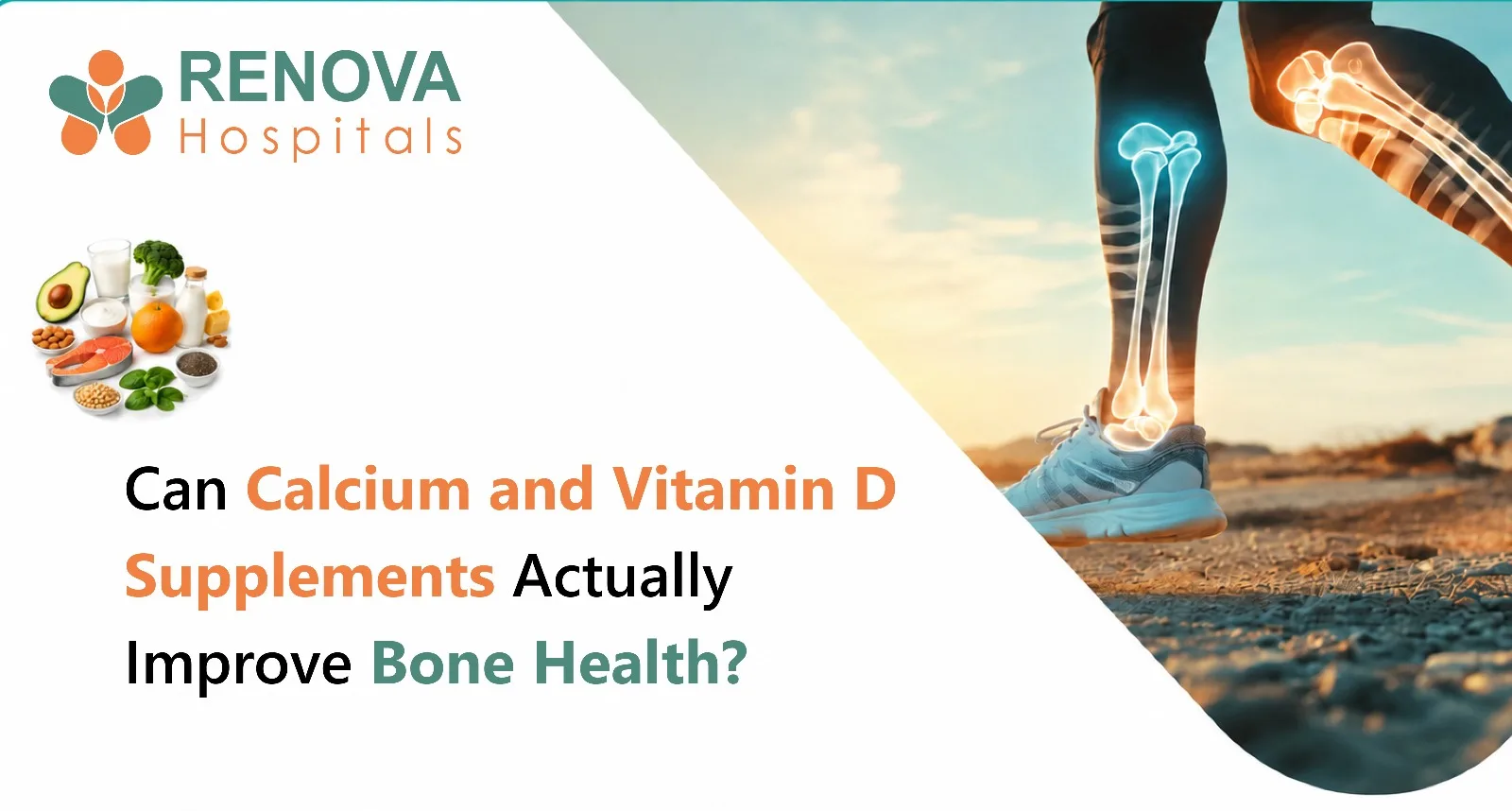
Bones are living tissues that continuously rebuild themselves throughout life. From childhood growth to healthy aging, bone strength depends heavily on nutrition, hormones, physical activity, and overall health. Among the nutrients most closely associated with bone health, calcium and vitamin D remain the most discussed, and the most misunderstood.
Many people today take supplements hoping to prevent weak bones, fractures, osteoporosis, muscle weakness, or age-related bone loss. But can supplements alone truly improve bone health? Or is the answer more complex?
At
Renova Hospitals, orthopaedic specialists frequently see patients with bone pain, recurrent fractures, low bone density, muscle weakness, and long-standing nutritional deficiencies linked to inadequate calcium and vitamin D levels.
This article explains how calcium and vitamin D work, when supplements may help, who actually needs them, potential risks of overuse, and how lifestyle and diet remain central to long-term bone health.
Why Are Calcium and Vitamin D Important for Bones?
Calcium is the primary mineral that gives bones their strength and structure. Nearly 99% of the calcium in the human body is stored in bones and teeth.
Vitamin D plays a different but equally important role. Without vitamin D, the body cannot absorb calcium efficiently from food or supplements. Even if someone consumes enough calcium, low vitamin D levels can prevent proper absorption.
Together, these nutrients support:
- Bone formation and remodeling
- Muscle function
- Nerve signaling
- Joint stability
- Prevention of fractures
- Healthy aging
Low levels over time can increase the risk of osteoporosis, osteomalacia, stress fractures, falls, and chronic musculoskeletal pain.
Can Supplements Actually Improve Bone Health?
Yes, but only when used appropriately and under medical guidance.
Calcium and vitamin D supplements can help improve bone health in people who have deficiencies, poor dietary intake, menopause-related bone loss, aging-related bone density decline, or medical conditions affecting absorption.
However, supplements are not โmagic tabletsโ that automatically create stronger bones.
Bone health depends on multiple factors, including:
- Diet
- Exercise
- Hormonal balance
- Sunlight exposure
- Sleep
- Smoking and alcohol use
- Gut absorption
- Age and gender
- Existing medical conditions
What are the Common calcium deficiency symptoms?
Low calcium levels may develop slowly and often go unnoticed initially.
Some common calcium deficiency symptoms include:
- Muscle cramps
- Bone pain
- Brittle nails
- Dental issues
- Tingling sensations
- Fatigue
- Weakness
- Frequent fractures
- Poor posture
- Joint discomfort
In severe cases, prolonged calcium deficiency can contribute to osteoporosis and increased fracture risk.
Women after menopause are particularly vulnerable due to hormonal changes affecting calcium retention.
What are the Common vitamin D deficiency symptoms?
Vitamin D deficiency is extremely common in India despite abundant sunlight.
Common vitamin D deficiency symptoms include:
- Persistent fatigue
- Bone pain
- Back pain
- Muscle weakness
- Low mood
- Frequent infections
- Difficulty climbing stairs
- Hair fall
- Poor recovery from injuries
Many people ignore the early signs of vitamin D deficiency, assuming they are due to stress, ageing, or work fatigue.
Long-term deficiency may significantly affect bone density and muscle strength.
What are the Major reasons for vitamin D deficiency?
Several lifestyle and medical factors contribute to deficiency today.
Common reasons for vitamin D deficiency include:
- Limited sunlight exposure
- Indoor lifestyles
- Excessive sunscreen use
- Obesity
- Aging
- Poor dietary intake
- Kidney disease
- Liver disease
- Intestinal absorption disorders
- Darker skin pigmentation
- Sedentary lifestyle
Urban populations in India are increasingly affected due to reduced outdoor activity and modern work routines.
Which Conditions Are Linked to Low Vitamin D?
Several important vitamin D deficiency diseases can develop when deficiency becomes severe or prolonged.
These may include:
- Osteoporosis
- Osteomalacia
- Rickets in children
- Increased fracture risk
- Muscle weakness disorders
- Falls in older adults
- Certain autoimmune conditions
- Chronic musculoskeletal pain
Research also suggests that vitamin D may influence
immune function and muscle performance, though ongoing studies are evaluating its broader role.
Are Food Sources Better Than Supplements?
In many cases, yes.
Doctors generally prefer patients to obtain nutrients primarily through diet whenever possible. Natural food sources provide better nutritional balance along with additional vitamins, minerals, and proteins important for bone metabolism.
Some excellent calcium rich foods include:
- Milk
- Curd
- Paneer
- Cheese
- Ragi
- Sesame seeds
- Almonds
- Tofu
- Sardines
- Green leafy vegetables
These calcium rich foods for bones help support skeletal health naturally when included consistently in the diet.
Vitamin D sources include:
- Fatty fish
- Egg yolks
- Fortified dairy products
- Fortified cereals
- Controlled sunlight exposure
Do Women Need Special Calcium Support?
Women often experience accelerated bone loss after menopause due to declining estrogen levels.
This is why many doctors may recommend calcium tablets for women in specific situations such as:
- Postmenopausal bone loss
- Osteopenia
- Osteoporosis
- Pregnancy and breastfeeding
- Nutritional deficiency
- Limited dietary intake
However, supplementation should be individualized. Excessive self-medication can sometimes cause complications including kidney stones or digestive issues.
What are calcium and vitamin D3 tablets IP?
Many over-the-counter supplements in India are labelled as calcium and vitamin D3 tablets IP.
โIPโ refers to Indian Pharmacopoeia standards, indicating the formulation meets regulated quality specifications.
These supplements commonly combine calcium salts with vitamin D3 to improve calcium absorption and support bone health.
Different formulations may contain:
- Calcium carbonate
- Calcium citrate
- Vitamin D3
- Magnesium
- Zinc
Doctors choose formulations based on patient age, digestive tolerance, kidney health, and absorption requirements.
What is calcium oxide, and Is It Used in Supplements?
Calcium oxide is a calcium compound used industrially and medically in certain formulations, though it is not the most common form used in routine nutritional supplementation.
Most clinical supplements use calcium carbonate or calcium citrate because they are better studied for bone health applications.
Patients should avoid selecting supplements without understanding their composition, dosage, and suitability.
Can Too Much Calcium Be Harmful?
Yes.
More calcium does not automatically mean stronger bones.
Excessive supplementation may increase risks of:
- Kidney stones
- Constipation
- Digestive discomfort
- Abnormal calcium deposits
- Kidney complications
Some studies have also evaluated potential cardiovascular risks associated with excessive calcium intake, though research remains ongoing.
Balanced intake remains the safest approach.
How Much Calcium and Vitamin D Does an Adult Need?
General recommendations vary based on age, gender, and health status.
Approximate adult requirements include:
Calcium - 1000โ1200 mg
Vitamin D - 600โ800 IU
Requirements may increase in older adults, postmenopausal women, and individuals with diagnosed deficiencies.
Can Exercise Improve Bone Health More Than Supplements?
Supplements alone are not enough without physical activity.
Weight-bearing and resistance exercises stimulate bone remodelling and help maintain density.
Some highly beneficial activities include:
- Walking
- Stair climbing
- Strength training
- Yoga
- Resistance exercises
- Balance training
Exercise also improves muscle strength, reducing the risk of falls and fractures.
Who Should Consider Bone Health Screening?
Bone density evaluation may be recommended for:
- Women above 50
- Men above 65
- Individuals with fractures
- Long-term steroid users
- Patients with thyroid disorders
- Individuals with chronic kidney disease
- Postmenopausal women
- Patients with persistent bone pain
- People with a strong family history of osteoporosis
Early screening allows timely intervention before fractures occur.
When Should You See an Orthopaedic Specialist?
Persistent bone pain, fractures after minor injuries, muscle weakness, or chronic fatigue should not be ignored.
An orthopaedic consultation becomes important if you experience:
- Recurrent fractures
- Chronic joint pain
- Difficulty walking
- Loss of height
- Poor posture
- Muscle weakness
- Severe fatigue
- Long-standing nutritional deficiencies
At
Renova Hospitals, bone health assessments may include clinical evaluation, bone density scans, nutritional review, and individualized treatment planning.
Bone Health Requires More Than Just Supplements
Calcium and vitamin D supplements can absolutely improve bone health when deficiencies exist, but they are only one part of a much larger picture.
Strong bones are built through a combination of:
- Balanced nutrition
- Regular exercise
- Adequate sunlight exposure
- Healthy lifestyle habits
- Early screening
- Proper medical guidance
Self-prescribing supplements without testing or supervision may not always be beneficial and can sometimes cause harm.
Long-term bone health depends on consistency, prevention, and personalized care rather than temporary supplementation trends.
Donโt Wait for Weak Bones to Slow You Down
Bone loss often develops silently over years before symptoms become noticeable. Waiting until fractures, severe joint pain, or mobility issues appear can make recovery more difficult and prolonged. Maintaining healthy bones requires a proactive approach that combines balanced nutrition, regular physical activity, adequate sunlight exposure, timely screening, and medically guided supplementation when necessary.
While calcium and vitamin D supplements can support bone health in the right individuals, they should never replace healthy lifestyle habits or professional medical evaluation. Persistent fatigue, muscle weakness, bone pain, or repeated injuries should not be ignored, especially in older adults, postmenopausal women, and individuals with long-standing nutritional deficiencies.
At
Renova Hospitals, orthopaedic and bone health specialists focus on early detection, personalised nutritional guidance, bone density evaluation, and evidence-based treatment strategies designed to help patients maintain stronger bones and better mobility throughout life.
About the Medical Reviewer
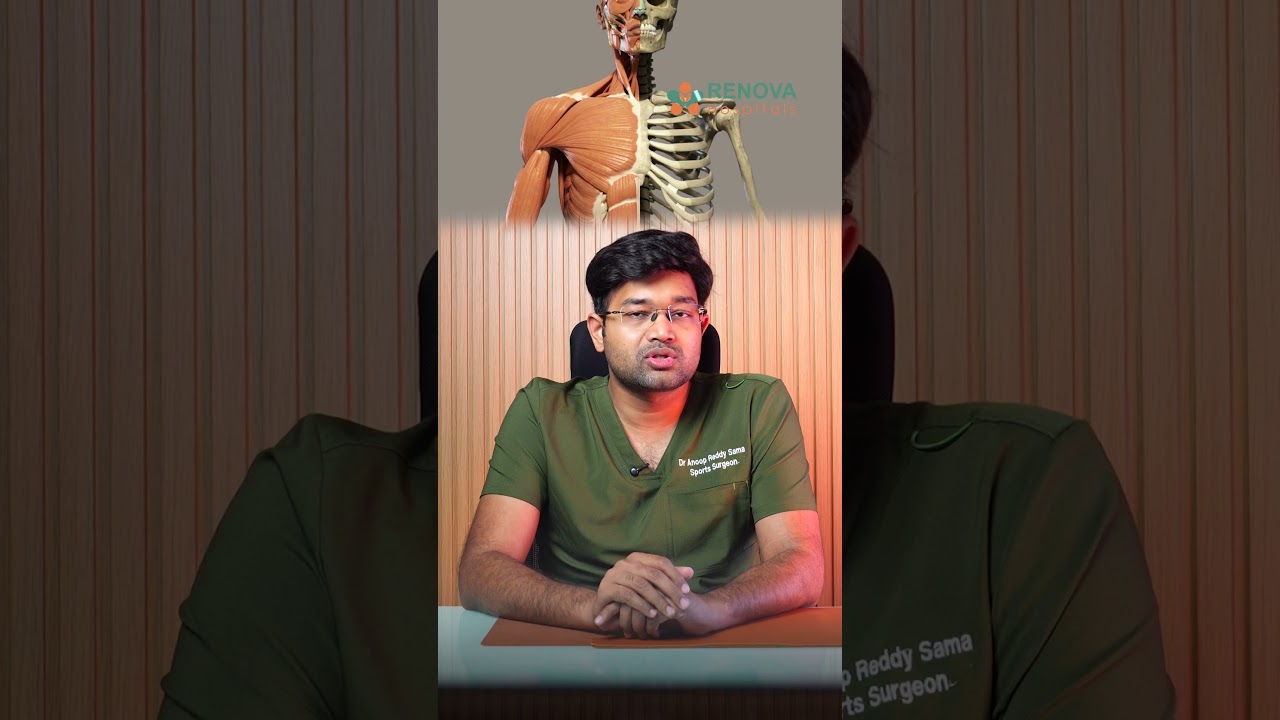
This article has been medically reviewed and approved by Dr. Anoop Reddy Sama to ensure accuracy, clinical relevance, and patient safety.