Key Takeaways
- Liver cancer develops slowly, with symptoms appearing only in advanced stages.
- People with chronic hepatitis B, hepatitis C, cirrhosis, and fatty liver disease are at high risk.
- Liver cancer symptoms may include unexplained weight loss, abdominal pain, jaundice, and persistent fatigue.
- Modern liver cancer treatment options include surgery, ablation, targeted therapy, immunotherapy, and liver transplantation.
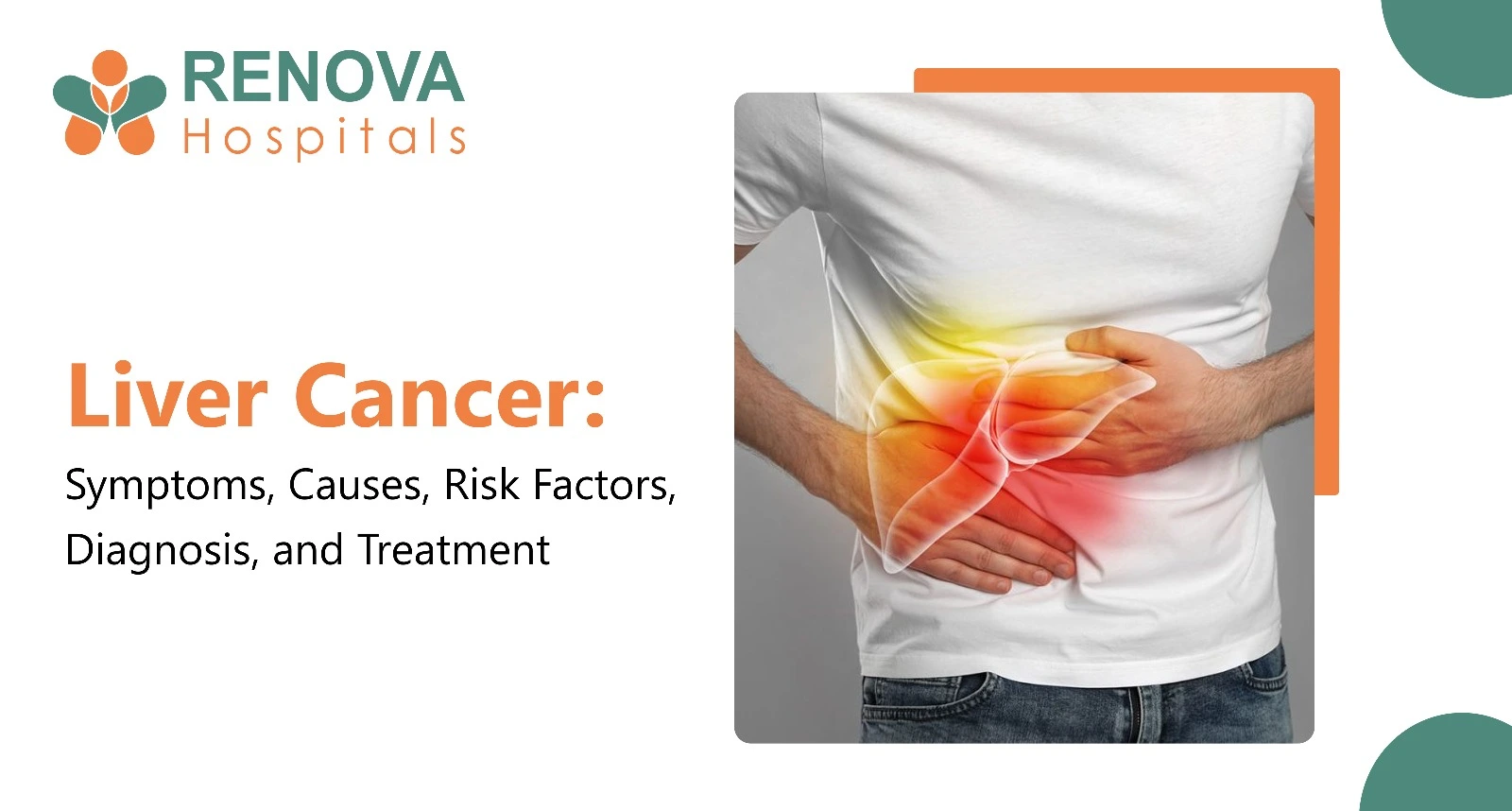
What is Liver Cancer?
Liver
cancer develops when abnormal or cancerous cells in the liver grow uncontrollably, forming a tumour. The liver plays a vital role in filtering toxins, processing nutrients, producing proteins, and aiding digestion.
Primary liver cancer originates in the liver, while secondary or metastatic liver cancer spreads from other organs. Hepatocellular carcinoma (HCC) is the most common primary liver cancer worldwide.
Why is Liver Cancer Increasing?
Liver cancer cases are increasing globally, driven by rising rates of obesity, diabetes,
fatty liver disease, and chronic viral hepatitis.
Non-alcoholic
fatty liver disease (NAFLD) and its advanced form, metabolic dysfunction-associated steatotic liver disease (MASLD), are major causes of
liver cancer, particularly in non-drinkers.
With more sedentary lifestyles and rising metabolic disorders, liver cancer rates are expected to increase further.
Liver Cancer Statistics in India
- More than 40,000 people in India are diagnosed with liver cancer each year.
- Liver cancer is one of the leading causes of cancer-related deaths in the country.
- Men are affected more frequently than women.
- Many cases are detected at a later stage, which can make treatment more challenging.
- Common risk factors include hepatitis B, hepatitis C, liver cirrhosis, excessive alcohol consumption, and fatty liver disease.
- As liver diseases continue to rise, the burden of liver cancer is also expected to increase in the coming years.
Key Insight: Liver cancer remains a major health concern in India, highlighting the importance of early screening, hepatitis vaccination, and timely treatment of chronic liver diseases.
What Causes Liver Cancer?
Liver cancer arises from genetic changes in liver cells that cause abnormal growth and division.
Several conditions can damage the liver over time and raise cancer risk.
Chronic Hepatitis B Infection
Hepatitis B is a leading cause of liver cancer worldwide. Chronic infection leads to ongoing inflammation and liver damage.
Chronic Hepatitis C Infection
Untreated hepatitis C significantly increases the risk of cirrhosis and liver cancer.
Liver Cirrhosis
Cirrhosis refers to permanent scarring of the liver. It may result from alcohol abuse, viral hepatitis, fatty liver disease, or other chronic liver conditions.
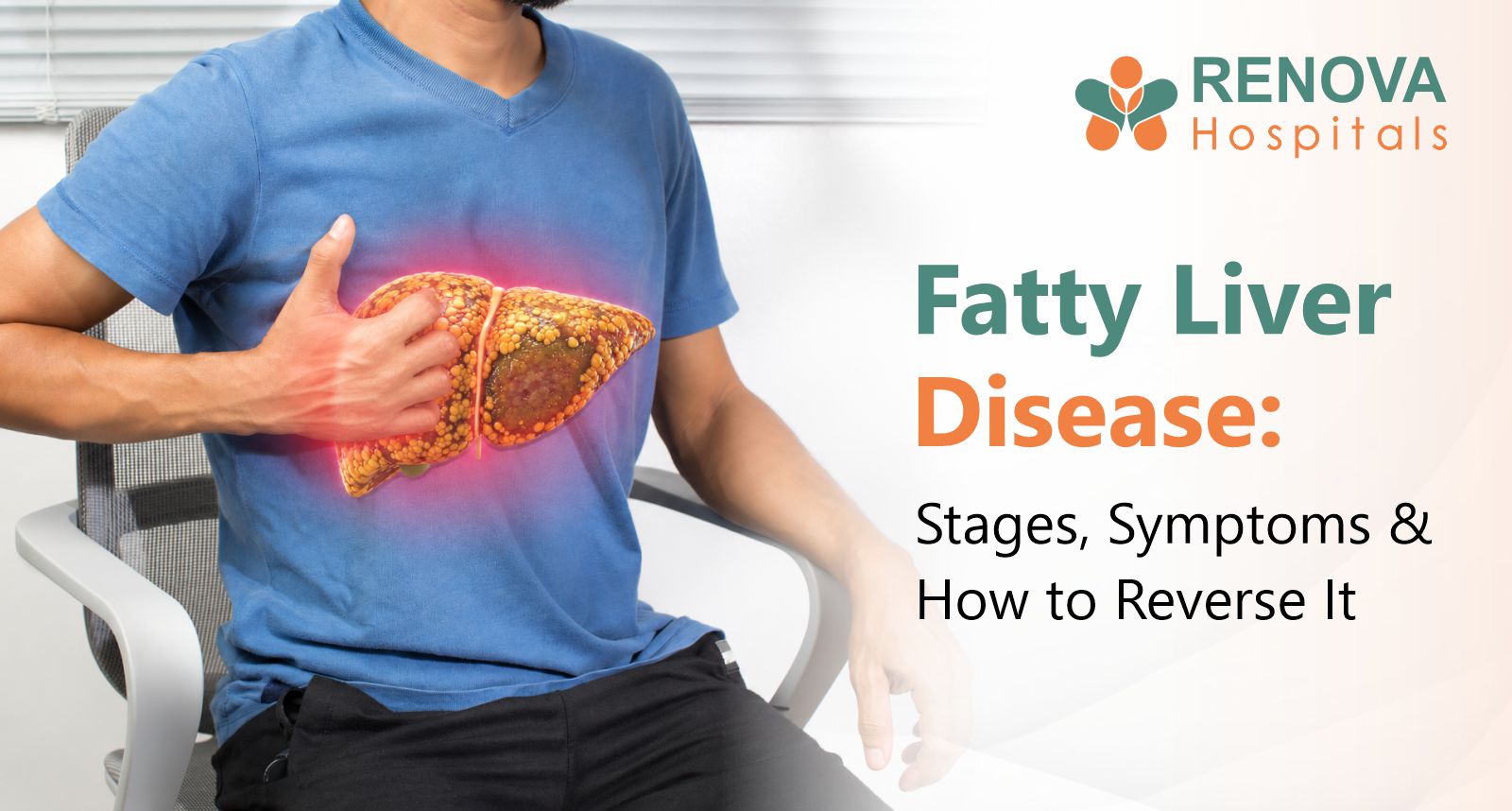
Fatty Liver Disease
Many people are surprised to learn that fatty liver disease can progress to liver cancer, even in individuals who do not drink alcohol.
Excessive Alcohol Consumption
Long-term heavy alcohol use damages liver tissue and increases cancer risk.
Genetic and Metabolic Disorders
Certain inherited liver diseases and metabolic disorders may also contribute to cancer development.
What Are the Symptoms of Liver Cancer?
One of the challenges with liver cancer is that early-stage disease often causes few or no symptoms.
As the cancer progresses, patients may experience:
Unexplained Weight Loss
Losing weight without trying can be an important warning sign.
Persistent Fatigue
Many liver cancer patients report ongoing tiredness that does not improve with rest.
Loss of Appetite
A reduced desire to eat can contribute to nutritional deficiencies and weight loss.
Pain in the Upper Right Abdomen
Discomfort or pain beneath the ribs on the right side may indicate liver involvement.
Abdominal Swelling
Fluid accumulation in the abdomen, known as ascites, can occur in advanced liver disease.
Jaundice
Yellowing of the skin and eyes is often a sign that the liver is not functioning properly.
Nausea and Vomiting
Digestive symptoms may become more noticeable as the disease advances.
If these symptoms persist, medical evaluation should not be delayed.
Who Is at Risk for Liver Cancer?
Understanding liver cancer risk factors can help individuals take preventive measures and seek screening when appropriate.
People with the following conditions are at higher risk:
- Hepatitis B or hepatitis C
- Liver cirrhosis
- Fatty liver disease
- Obesity
- Diabetes
- Heavy alcohol users
- Smokers
- Family history of liver cancer
Regular cancer screening may be recommended for high-risk individuals.
How Is Liver Cancer Diagnosed?
A doctor may recommend several tests to confirm the diagnosis.
Blood Tests
Blood tests may evaluate liver function and measure tumour markers such as alpha-fetoprotein (AFP).
Ultrasound
Ultrasound is often used as an initial imaging test to identify abnormalities in the liver.
CT Scan
Computed tomography provides detailed cross-sectional images that help assess tumour size and spread.
MRI Scan
MRI offers high-resolution imaging that can help characterize liver lesions.
Liver Biopsy
In some cases, a small sample of tissue is collected for microscopic examination.
Understanding Liver Cancer Stages
Liver cancer staging helps determine the extent of disease and guides treatment planning.
Stage 1
The tumour is confined to the liver and has not spread.
Stage 2
The tumour may involve nearby blood vessels but remains limited to the liver.
Stage 3
Cancer has spread within the liver or to nearby structures.
Stage 4
The disease has spread to distant organs or lymph nodes.
Earlier stages generally offer more treatment options and better outcomes.
Liver Cancer Treatment Options
Treatment depends on the stage of cancer, liver function, overall health, and patient preferences.
Surgery
When diagnosed early, surgical removal of the tumour may offer the best chance of long-term survival.
Liver Transplant
Some patients with early-stage liver cancer and underlying liver disease may be candidates for transplantation.
Ablation Therapy
Ablation destroys cancer cells using heat, cold, or other techniques without removing the tumour surgically.
TACE (Transarterial Chemoembolization)
TACE delivers chemotherapy directly to the tumour while blocking its blood supply.
Targeted Therapy
Targeted drugs attack specific pathways that cancer cells use to grow and spread.
Immunotherapy
Immunotherapy helps the body's immune system recognize and fight cancer cells more effectively.
Radiation Therapy
Advanced radiation techniques may be used when surgery is not possible.
Can Liver Cancer Be Prevented?
While not all cases can be prevented, several measures can significantly reduce risk.
Get Vaccinated Against Hepatitis B
Vaccination is one of the most effective ways to prevent hepatitis B-related liver cancer.
Maintain a Healthy Weight
Reducing obesity helps lower the risk of fatty liver disease and liver cancer.
Control Diabetes
Proper
diabetes management can reduce liver-related complications.
Limit Alcohol Consumption
Avoiding excessive alcohol intake helps protect liver health.
Quit Smoking
Smoking contributes to multiple cancers, including liver cancer.
Undergo Regular Screening
High-risk individuals should discuss liver cancer screening with their healthcare provider.
Conclusion
Liver cancer is a serious but potentially manageable disease when detected early. Understanding the symptoms, risk factors, causes, and available treatment options can help individuals take proactive steps toward protecting their liver health.
People with chronic hepatitis, fatty liver disease, cirrhosis, diabetes, or obesity should be particularly vigilant about screening and regular medical checkups. Early detection remains one of the most powerful tools in improving liver cancer outcomes.
If you experience persistent symptoms such as unexplained weight loss, abdominal pain, jaundice, or fatigue, consult a healthcare professional for a thorough evaluation.
Liver Cancer Care at Renova Hospitals
Renova Hospitals offers comprehensive liver cancer care through a team of experienced Medical Oncologists, Surgical Oncologists, Radiation Oncologists, and HPB specialists. With advanced diagnostics, personalized treatment plans, and multidisciplinary expertise, we are committed to delivering evidence-based cancer care focused on the best possible outcomes for every patient.
If you are experiencing symptoms or have concerns about your liver health, schedule a consultation with our specialists today. Call 040 2333 3333 to book an appointment.