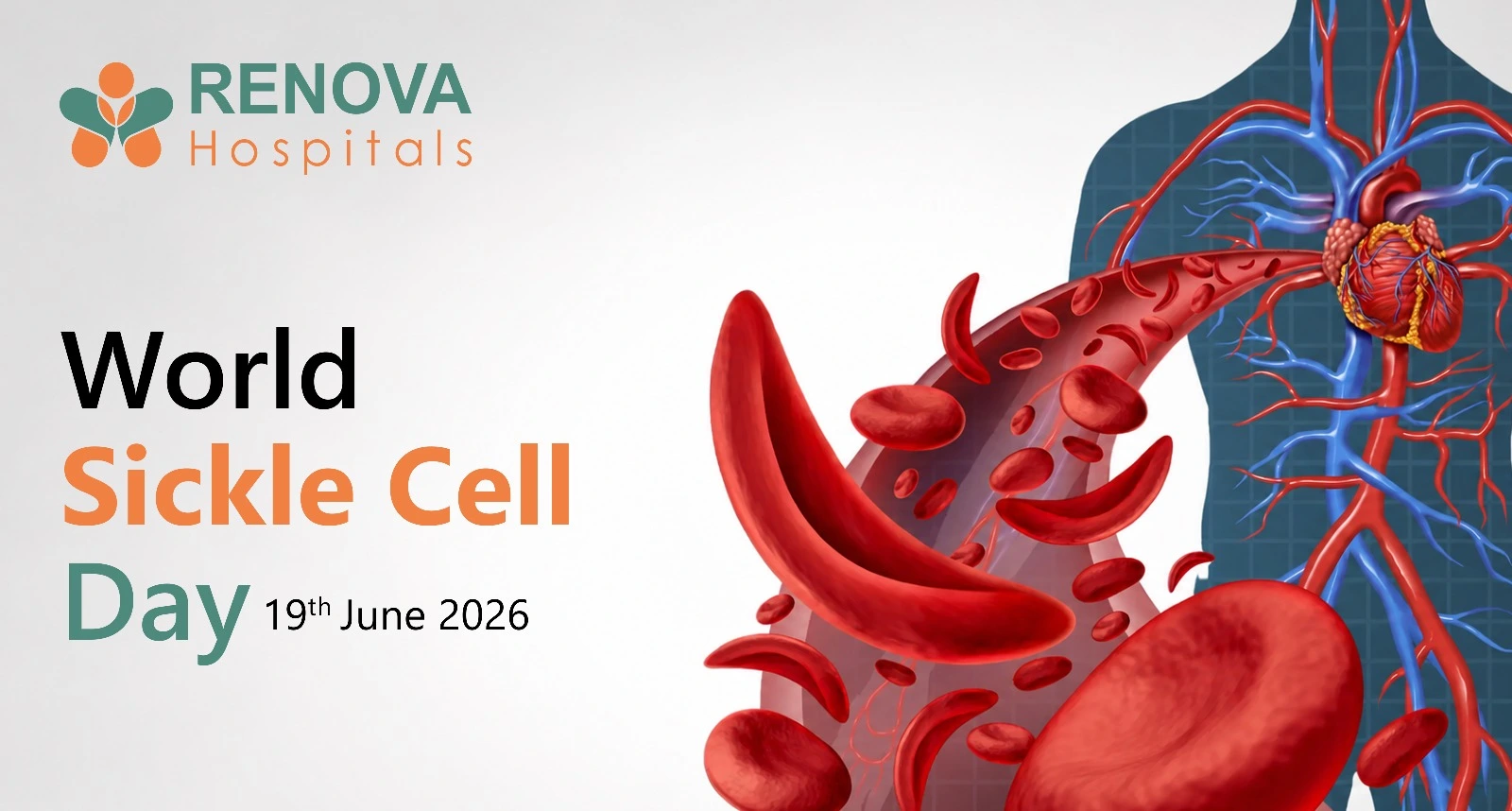
World Sickle Cell Day is observed every year on June 19 to raise global awareness about sickle cell disease (SCD), an inherited blood disorder that affects millions of people worldwide.
The 2026 campaign focuses on "Closing the Survival Gap", emphasizing early diagnosis, equitable healthcare, improved treatment access, and empowering young voices living with sickle cell disease. Early screening, timely medical care, and advances in treatment have significantly improved survival and quality of life for people with SCD.
Key Takeaways
- World Sickle Cell Day on June 19 raises awareness about one of the world's most common inherited blood disorders.
- The 2026 global theme focuses on closing the survival gap in sickle cell disease through equitable healthcare.
- Early diagnosis significantly improves health outcomes and reduces life-threatening complications.
- Children diagnosed through newborn screening can receive preventive care from infancy.
- Modern therapies, including medications and bone marrow transplantation in selected patients, have transformed treatment outcomes.
- Public awareness helps reduce stigma and encourages timely medical intervention.
- Global collaboration is essential to improve global health equity for sickle cell disease.
World Sickle Cell Day 2026 – At a Glance
- Awareness Day: World Sickle Cell Day is observed globally every year on June 19.
- Official Theme (2026): "Closing the Survival Gap: Equity in Sickle Cell Care."
- Awareness Symbol: Burgundy Ribbon, representing solidarity and support for people living with sickle cell disease.
- Condition: Sickle Cell Disease (SCD) – an inherited genetic blood disorder.
- Affected Cells: Red blood cells.
- Main Problem: Abnormal hemoglobin causes red blood cells to become rigid, sticky, and sickle-shaped, reducing oxygen delivery and blocking blood flow to tissues.
- Common Symptoms: Pain crises, anemia, fatigue, jaundice, swelling of the hands and feet, frequent infections, delayed growth, and organ complications.
- Diagnosis: Newborn screening, complete blood count (CBC), hemoglobin electrophoresis, genetic testing, and prenatal screening.
- Treatment Options: Medications (including hydroxyurea), blood transfusions, pain management, infection prevention, supportive care, and hematopoietic stem cell (bone marrow) transplantation for selected patients.
- Can It Be Prevented? The disease cannot be prevented, but genetic counseling and carrier screening can help families understand their risk.
- Can It Be Cured? Hematopoietic stem cell (bone marrow) transplantation may cure selected patients, while gene therapy is an emerging treatment with promising results.
Why World Sickle Cell Day Matters
Every year, World Sickle Cell Day June 19 reminds governments, healthcare professionals, researchers, patients, and communities that sickle cell disease remains a major public health challenge.
Although the disease has been known for more than a century, many patients—particularly those in low- and middle-income countries—continue to experience delayed diagnosis, inadequate treatment, and preventable complications.
The United Nations officially recognized June 19 as
World Sickle Cell Day to improve awareness, reduce misconceptions, promote research, and encourage equal access to healthcare for affected individuals worldwide.
In 2026, the campaign carries even greater importance with the global call for closing the survival gap sickle cell, ensuring that where a person is born does not determine their chances of surviving this lifelong condition.
Expert Insight
"Early diagnosis, comprehensive medical care, patient education, vaccination, and timely treatment have dramatically improved survival rates among people living with sickle cell disease. Increasing awareness is one of the most effective ways to reduce complications and improve quality of life."
— Hematology Specialists, Renova Hospitals
What Is Sickle Cell Disease?
Sickle cell disease (SCD) is an inherited blood disorder caused by a mutation in the gene responsible for producing hemoglobin—the protein inside red blood cells that carries oxygen throughout the body.
Normally, red blood cells are round, flexible, and move easily through blood vessels. In individuals with sickle cell disease, abnormal hemoglobin causes these cells to become rigid, sticky, and crescent or "sickle" shaped.
These abnormal cells can block blood flow, reducing oxygen delivery to organs and tissues. This leads to repeated episodes of pain, organ damage, anemia, and increased susceptibility to infections.
Unlike contagious diseases, sickle cell disease is passed genetically from parents to children. A child develops SCD only when both parents pass on the abnormal hemoglobin gene.
World Sickle Cell Awareness Day 2026: Theme and Global Focus
"When is World Sickle Cell Day 2026?"
World Sickle Cell Day 2026 will be observed on Friday, June 19, 2026.
This year's global campaign highlights several interconnected priorities:
- Closing healthcare inequalities
- Increasing newborn screening
- Improving access to life-saving treatments
- Supporting families affected by SCD
- Promoting research and innovation
- Encouraging youth advocacy through Young Voices Rising Sickle Cell
The initiative recognizes that children and young adults living with SCD should actively participate in shaping healthcare policies, awareness campaigns, and patient support systems.
Sickle Cell Disease Statistics 2026
Recent global estimates demonstrate why awareness remains essential.
Global Overview
- More than 300,000 babies are born each year with sickle cell disease worldwide.
- The majority of affected births occur in sub-Saharan Africa, India, and parts of the Middle East.
- Millions of people globally live with sickle cell disease or carry the sickle cell trait.
- Without early diagnosis and treatment, childhood mortality remains high in many resource-limited regions.
- Improved screening programs have dramatically increased survival in countries with comprehensive healthcare systems.
These sickle cell disease statistics 2026 reinforce the urgent need for universal newborn screening, affordable treatment, and stronger healthcare infrastructure worldwide.
What Causes Sickle Cell Disease?
Sickle cell disease develops due to a mutation in the HBB gene, which produces beta-globin, a component of hemoglobin.
A person inherits:
- One abnormal gene from each parent → develops sickle cell disease.
- One abnormal gene and one normal gene → carries the sickle cell trait, usually without severe symptoms.
The disease is present from birth but symptoms may not appear until several months of age as fetal hemoglobin gradually decreases.
Sickle Cell Disease Symptoms
Symptoms vary from person to person and may range from mild to severe.
Common Sickle Cell Disease Symptoms
Pain Crises
Pain episodes occur when sickle-shaped red blood cells block blood flow to bones and organs. These episodes can last from hours to several days.
Chronic Anemia
Because sickle cells break down much faster than normal red blood cells, patients often develop chronic anemia, leading to:
- Persistent fatigue
- Weakness
- Pale skin
- Reduced exercise tolerance
Swelling of Hands and Feet
Blocked circulation can cause painful swelling, particularly in infants and young children.
Frequent Infections
Damage to the spleen increases vulnerability to bacterial infections.
Delayed Growth
Children with SCD may experience slower physical growth and delayed puberty due to chronic
anemia.
Vision Problems
Repeated blockage of blood vessels supplying the eyes may affect vision if untreated.
Organ Complications
Long-term disease may affect:
- Brain
- Lungs
- Heart
- Kidneys
- Liver
- Bones
Sickle Cell Disease in Children
Sickle cell disease in children requires lifelong monitoring beginning shortly after birth.
Without early diagnosis, infants are at increased risk of severe infections, stroke, and life-threatening complications.
Fortunately, newborn screening programs allow healthcare providers to:
- Begin preventive antibiotics
- Administer recommended vaccinations
- Educate parents about warning signs
- Schedule regular follow-up visits
- Monitor growth and development
- Reduce hospitalization rates
Children receiving comprehensive care often live healthier and longer lives than previous generations.
Sickle Cell Early Diagnosis
One of the most important advances in improving survival is sickle cell early diagnosis. Detecting the disease before symptoms become severe allows healthcare providers to begin preventive care immediately, reducing complications and improving long-term outcomes.
Why Early Diagnosis Matters
Early diagnosis helps:
- Prevent severe infections in infancy
- Reduce the risk of stroke
- Detect complications before they become life-threatening
- Improve physical growth and development
- Lower hospitalization rates
- Increase life expectancy
- Improve overall quality of life
Many countries now include sickle cell disease in their routine newborn screening programs, allowing treatment to begin within the first few months of life.
How Is Sickle Cell Disease Diagnosed?
Doctors diagnose sickle cell disease using a combination of screening tests and laboratory investigations.
1. Newborn Screening
A small blood sample collected shortly after birth can identify abnormal hemoglobin before symptoms appear.
2. Hemoglobin Electrophoresis
This specialized blood test identifies the different types of hemoglobin and confirms the diagnosis.
3. Complete Blood Count (CBC)
A CBC evaluates hemoglobin levels, red blood cell count, and signs of anemia.
4. Genetic Testing
Genetic testing confirms mutations in the hemoglobin gene and helps identify carriers within families.
5. Prenatal Testing
Parents who are known carriers may opt for prenatal testing to determine whether the unborn child has inherited sickle cell disease.
Closing the Survival Gap in Sickle Cell Disease
The central message of World Sickle Cell Awareness Day 2026 is "Closing the Survival Gap."
Today, survival outcomes differ significantly depending on where a person lives. Children born in countries with advanced healthcare systems often receive newborn screening, vaccinations, preventive antibiotics, specialist follow-up, and access to modern therapies. As a result, many live well into adulthood.
In contrast, children in resource-limited settings may face delayed diagnosis, inadequate treatment, limited access to medications, and higher rates of preventable complications.
Closing this survival gap requires coordinated efforts to:
- Expand newborn screening programs
- Improve access to essential medicines
- Train healthcare professionals
- Strengthen public awareness campaigns
- Invest in research and innovation
- Ensure affordable healthcare services
- Support patients and caregivers throughout their lives
Improving survival is not only a medical goal—it is also a matter of sickle cell disease global health equity.
Sickle Cell Equity in Healthcare
Health equity means that every individual has access to the healthcare services they need, regardless of where they live, their financial status, ethnicity, or background.
Achieving sickle cell equity in healthcare involves:
- Universal newborn screening
- Access to specialist hematology care
- Availability of essential medications
- Affordable blood transfusion services
- Patient education
- Pain management services
- Genetic counseling
- Mental health support
- Community awareness programs
Reducing disparities ensures that every person living with sickle cell disease has an equal opportunity to live a healthy and productive life.
How Is Sickle Cell Disease Treated?
Although treatment varies based on age, symptoms, and disease severity, modern care focuses on preventing complications, reducing pain crises, and improving quality of life.
Medications
Doctors may prescribe medications to:
- Reduce pain episodes
- Increase healthy hemoglobin production
- Prevent infections
- Lower the frequency of complications
Hydroxyurea remains one of the most widely used medicines for eligible patients because it helps increase fetal hemoglobin and reduces painful crises.
Blood Transfusions
Regular or emergency blood transfusions may be recommended to:
- Treat severe anemia
- Prevent stroke
- Manage acute complications
Infection Prevention
Children often receive:
- Preventive antibiotics
- Routine childhood vaccinations
- Additional vaccines against pneumococcal and meningococcal infections
Pain Management
Pain crises may require:
- Adequate hydration
- Oxygen therapy (when needed)
- Pain-relieving medications
- Hospital admission for severe episodes
Lifestyle Measures
Patients are encouraged to:
- Stay well hydrated
- Avoid extreme temperatures
- Eat a balanced diet
- Get adequate rest
- Attend regular follow-up appointments
- Seek prompt treatment for fever or infections
Can Sickle Cell Disease Be Cured?
Currently, bone marrow (hematopoietic stem cell) transplantation offers the possibility of a cure for selected patients, particularly children with a suitable donor.
However, not every patient is eligible because the procedure carries significant risks and requires careful evaluation.
Exciting advances in gene therapy and gene editing technologies are showing promising results and may transform future treatment, although access remains limited in many parts of the world.
For most patients today, comprehensive lifelong care remains the primary approach to managing the disease successfully.
Myth vs Fact: Sickle Cell Disease
- Myth: Sickle cell disease is contagious.
Fact: Sickle cell disease is an inherited genetic disorder and cannot spread from person to person. - Myth: Only children are affected.
Fact: Adults also live with sickle cell disease and require lifelong medical care and regular follow-up. - Myth: Every patient experiences the same symptoms.
Fact: Symptoms vary from person to person in type, severity, and frequency. - Myth: Pain crises are the only complication.
Fact: Sickle cell disease can affect multiple organs, including the brain, lungs, kidneys, heart, eyes, and spleen. - Myth: Nothing can be done for sickle cell disease.
Fact: Early diagnosis, timely treatment, pain management, infection prevention, and advanced therapies can significantly improve quality of life and long-term outcomes.
When Should You See a Doctor?
Seek immediate medical attention if a person with sickle cell disease develops:
- Fever above 38.5°C (101.3°F)
- Severe or persistent pain
- Difficulty breathing
- Chest pain
- Sudden weakness or numbness
- Vision changes
- Severe headache
- Persistent vomiting
- Swelling of the abdomen
- Signs of dehydration
Prompt medical care can prevent serious complications and save lives.
Consult a Hematology Specialist at Renova Hospitals
Living with sickle cell disease requires comprehensive, lifelong care. At Renova Hospitals, our multidisciplinary team provides advanced diagnostic services, individualized treatment plans, preventive care, pain management, blood transfusion support, and long-term follow-up to help patients achieve the best possible quality of life.
If you or your child experiences symptoms suggestive of sickle cell disease or has a family history of the condition, consult a hematology specialist for timely evaluation and appropriate management.
Conclusion:
World Sickle Cell Day on June 19 is more than a global awareness campaign—it is a call to action to ensure that every individual living with sickle cell disease receives timely diagnosis, quality treatment, and equitable healthcare. The 2026 theme, "Closing the Survival Gap," reminds us that early screening, public awareness, continued research, and accessible healthcare can dramatically improve outcomes for millions worldwide.
As young voices rise to advocate for change, governments, healthcare providers, researchers, and communities must work together to eliminate disparities and build a future where everyone living with sickle cell disease has the opportunity to thrive.
Medically Reviewed & Approved By:
Dr. Goli Vasu Babu
MBBS, DNB (General Medicine) DM (Medical Oncology) Consultant – Medical Oncology & Bone Marrow Transplantation Physician
This article has been reviewed and approved by a qualified medical professional to ensure accuracy, credibility, and adherence to current clinical standards.