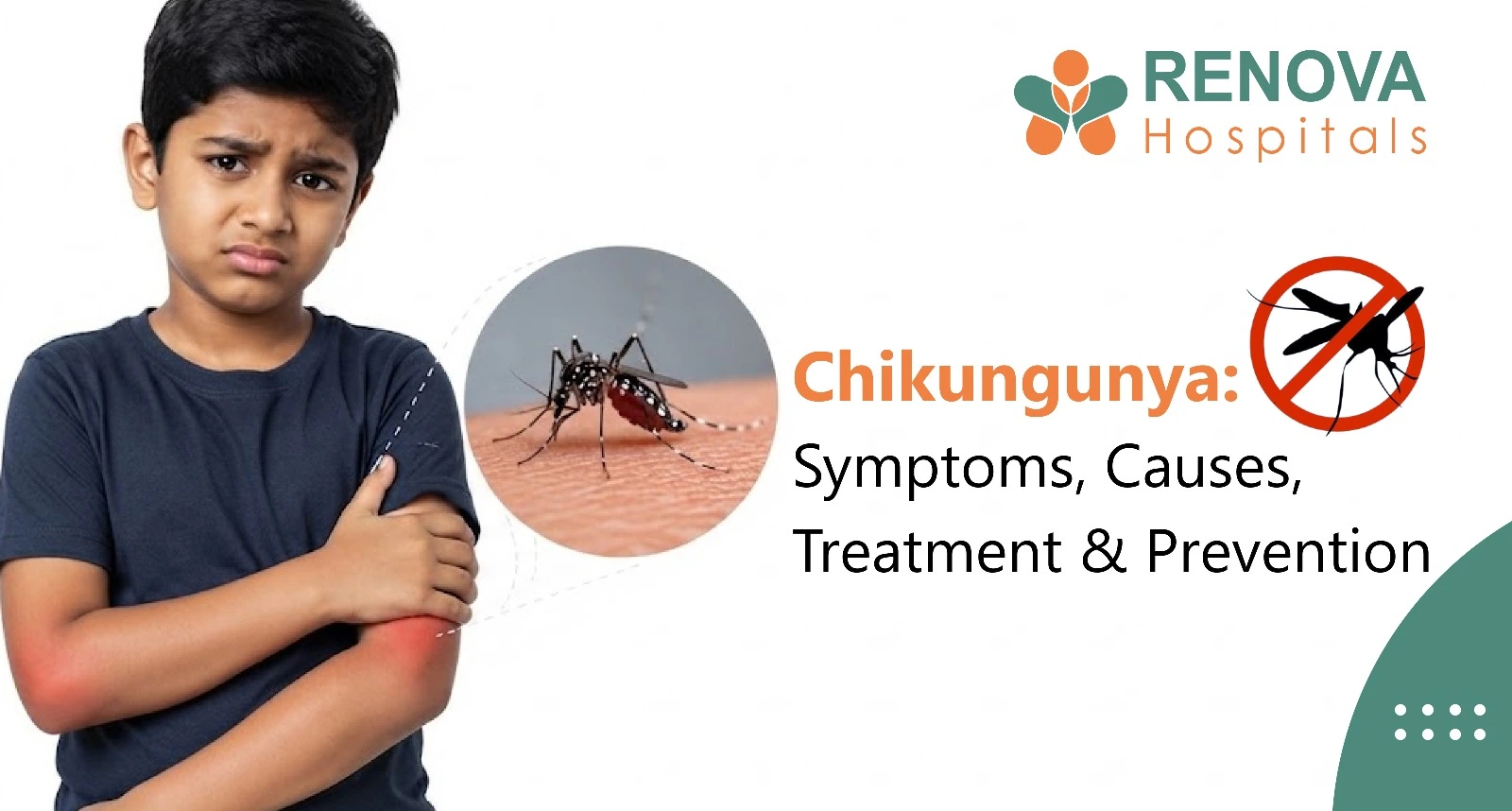
Chikungunya spreads through mosquito bites and is known for sudden high fever and severe, sometimes lingering, joint pain. It's easily confused with dengue, but the two need different care. Here's how to recognise chikungunya, how it's treated, and simple steps to protect yourself from mosquitoes.
Chikungunya is a mosquito-borne viral infection spread through the bite of infected Aedes mosquitoes. It typically causes sudden high fever, severe joint pain, headache, muscle aches, rash, and fatigue. Although most people recover within a few weeks, joint pain may persist for months in some individuals. Early diagnosis, supportive treatment, and adequate hydration help improve recovery and reduce discomfort.
Key Takeaways
- Chikungunya spreads through the bite of infected Aedes mosquitoes.
- Severe joint pain is one of its most distinctive symptoms.
- Early symptoms can resemble dengue or viral fever.
- There is no specific antiviral treatment, but supportive care is highly effective.
- Preventing mosquito bites remains the best way to reduce the risk of infection.
Chikungunya at a Glance
- Cause: Chikungunya virus
- Spread: Bite of an infected Aedes aegypti or Aedes albopictus mosquito
- Common Symptoms: Fever, severe joint pain, headache, muscle pain, rash, and fatigue
- Diagnosis: Clinical evaluation and blood tests
- Treatment: Supportive care, hydration, pain management, and rest
- Prevention: Mosquito bite prevention and elimination of breeding sites
Latest Statistics
- According to the World Health Organization, chikungunya has been reported in more than 110 countries across Asia, Africa, Europe, and the Americas.
- India experiences seasonal increases in chikungunya cases, especially during and after the monsoon, when mosquito breeding is at its peak.
- Most patients recover completely, but joint pain may persist for several weeks or months, particularly in older adults and people with pre-existing joint conditions.
Introduction
A sudden fever accompanied by intense joint pain during the monsoon often raises concerns about dengue. However, another mosquito-borne illness—chikungunya—can present with similar symptoms while causing a very different recovery experience.
Unlike many viral fevers that resolve within a few days, chikungunya is known for its severe joint pain, which can make everyday activities such as walking, climbing stairs, or even holding objects uncomfortable. For some people, this pain continues long after the fever has disappeared.
Because chikungunya,
dengue, and viral fever often begin with similar symptoms, it is important not to rely on self-diagnosis. Early medical evaluation helps rule out other infections, guides appropriate treatment, and ensures close monitoring when needed.
What Is Chikungunya?
Chikungunya is a viral infection caused by the chikungunya virus (CHIKV). It spreads through the bite of infected Aedes aegypti and Aedes albopictus mosquitoes—the same mosquitoes that transmit dengue.
The word "chikungunya" comes from a language spoken in East Africa and roughly translates to "that which bends up," referring to the stooped posture caused by severe joint pain experienced by many patients.
After a mosquito bite, symptoms usually appear 3–7 days later, although the incubation period can range from 1–12 days.
How Does Chikungunya Spread?
Chikungunya is transmitted when an infected Aedes mosquito bites a healthy person.
These mosquitoes commonly breed in:
- Flower pots
- Water storage containers
- Coolers
- Discarded tyres
- Coconut shells
- Buckets
- Construction sites with stagnant water
Unlike mosquitoes that spread malaria, Aedes mosquitoes are most active during the daytime, particularly in the early morning and late afternoon.
Chikungunya does not spread through casual contact, coughing, or sharing food with an infected person.
What are the Common Chikungunya Symptoms?
Symptoms usually begin suddenly and can vary in severity.
1. High Fever
Most patients develop a sudden fever that may reach 39–40°C (102–104°F).
The fever often lasts for 2–3 days, although some individuals may experience it for longer.
2. Severe Joint Pain
Joint pain is the hallmark symptom of chikungunya.
The pain commonly affects:
- Wrists
- Fingers
- Ankles
- Knees
- Feet
Many patients describe it as severe enough to interfere with walking or routine activities.
3. Muscle Pain
Generalised muscle aches are common and may contribute to weakness and fatigue.
4. Headache
Persistent headache often accompanies fever during the early stages of infection.
5. Skin Rash
A red, blotchy rash may appear 2–5 days after the fever begins. It can affect the trunk, arms, legs, or face and is usually temporary.
6. Fatigue
Even after the fever settles, many people continue to experience tiredness and reduced energy for several weeks.
7. Nausea and Loss of Appetite
Some patients develop nausea, vomiting, or reduced appetite during the illness, making hydration and nutrition especially important.
Chikungunya vs Dengue: Key Differences
- Joint pain: Chikungunya commonly causes severe joint pain that may continue for weeks or months. Dengue more often causes intense body aches.
- Bleeding risk: Bleeding is uncommon in chikungunya but may occur in severe dengue.
- Platelet count: Platelet levels are usually normal or mildly reduced in chikungunya, while dengue may cause a significant fall.
- Recovery: Fever usually settles within a few days in both illnesses, but joint pain often lasts longer after chikungunya.
- Severity: Chikungunya is usually not life-threatening, while severe dengue can cause shock, bleeding, or organ complications.
Because the symptoms overlap, a medical examination and blood tests may be needed to confirm the diagnosis.
What are the Warning Signs That Need Medical Attention?
Although most people recover without complications, seek immediate medical care if you experience:
- Persistent high fever
- Difficulty breathing
- Severe dehydration
- Confusion or excessive drowsiness
- Persistent vomiting
- Severe abdominal pain
- Bleeding from the nose or gums
- Inability to drink fluids
- Extreme weakness
These symptoms may indicate another serious infection or complications that require prompt evaluation.
Expert Insight
"One of the biggest challenges during the monsoon is that dengue, chikungunya, and viral fever often begin with similar symptoms. Rather than assuming it's a routine viral illness, seeking medical evaluation early allows doctors to identify the cause, monitor for complications, and provide appropriate care."
How Is Chikungunya Diagnosed?
Because chikungunya shares many symptoms with dengue,
viral fever, and malaria, it cannot be diagnosed based on symptoms alone. A doctor considers your medical history, recent mosquito exposure, travel history, and the duration of your fever before recommending the appropriate tests.
Early diagnosis helps rule out other serious infections and ensures the right treatment and monitoring.
What Tests Are Used to Diagnose Chikungunya?
Depending on the stage of illness, your doctor may recommend:
Complete Blood Count (CBC)
A CBC is often the first investigation performed. It helps assess:
- White blood cell count
- Platelet count
- Signs of infection
Unlike dengue, platelet counts usually remain normal or show only mild reductions in chikungunya.
Chikungunya RT-PCR Test
This molecular test detects the chikungunya virus during the first week of illness and is most useful in the early stage of infection.
Chikungunya IgM Antibody Test
IgM antibodies generally become detectable after 5–7 days of illness and help confirm a recent infection.
Dengue and Malaria Tests
Because the symptoms overlap, doctors may also recommend dengue NS1, dengue antibody tests, or malaria tests to identify or rule out co-existing infections.
Clinical Tip: During the monsoon season, your doctor may advise testing for more than one mosquito-borne illness because dengue and chikungunya can circulate at the same time.
What Is the Treatment for Chikungunya?
There is no specific antiviral medicine that cures chikungunya. Treatment focuses on relieving symptoms, maintaining hydration, and supporting recovery.
Most patients improve with:
- Adequate rest
- Plenty of oral fluids
- Fever and pain relief as advised by a doctor
- Nutritious meals
- Regular follow-up if symptoms persist
Antibiotics are not effective because chikungunya is caused by a virus.
Why Does Joint Pain Last So Long?
Unlike many viral illnesses, chikungunya can trigger prolonged inflammation in the joints.
For some people, joint pain settles within a few weeks. However, in others—particularly older adults or people with
arthritis—it may continue for several months.
The pain may affect:
- Wrists
- Fingers
- Ankles
- Knees
- Feet
Most patients gradually improve with time, appropriate pain management, gentle physical activity, and medical follow-up.
Home Care During Recovery
Recovery from chikungunya often takes longer than expected, especially because fatigue and joint pain may persist even after the fever subsides.
To support recovery:
- Drink plenty of water, soups, and oral rehydration fluids.
- Get adequate rest during the acute phase.
- Eat a balanced diet rich in fruits, vegetables, and lean protein.
- Resume physical activity gradually as symptoms improve.
- Perform gentle stretching exercises if advised by your doctor.
- Avoid self-medicating with painkillers without medical advice.
What Should You Eat During Chikungunya?
Good nutrition helps your body recover from infection and supports healing.
Recommended Foods
- Fresh fruits rich in vitamin C
- Green leafy vegetables
- Lentils and pulses
- Eggs, fish, or lean meat (if tolerated)
- Homemade soups
- Coconut water
- Plenty of drinking water
Foods to Limit
- Fried foods
- Highly processed snacks
- Sugary beverages
- Alcohol
- Excessively spicy foods
A balanced diet supports recovery, but no specific food has been proven to cure chikungunya or eliminate joint pain.
How Can You Prevent Chikungunya?
The best protection is to avoid mosquito bites and reduce mosquito breeding.
Prevention Tips
- Remove stagnant water around your home every week.
- Empty coolers, flower pots, buckets, and containers regularly.
- Use mosquito repellents during the day.
- Wear long-sleeved clothing and full-length trousers.
- Install window screens where possible.
- Sleep under mosquito nets if mosquito exposure is high.
- Keep your surroundings clean to reduce mosquito breeding.
Community participation is essential because mosquitoes breed around homes, schools, workplaces, and construction sites.
Myth vs Fact
Myth: Chikungunya spreads from one person to another.
Fact: Chikungunya spreads through the bite of infected Aedes mosquitoes, not through casual contact.
Myth: Every patient with fever and joint pain has chikungunya.
Fact: Dengue, viral fever, malaria, and several other illnesses can cause similar symptoms. Medical evaluation is important for an accurate diagnosis.
Myth: Antibiotics cure chikungunya.
Fact: Antibiotics do not work against viral infections such as chikungunya.
Myth: Joint pain should disappear as soon as the fever improves.
Fact: Joint pain may continue for weeks or even months after the fever has resolved.
Doctor's Clinical Pearl
One of the most frustrating aspects of chikungunya is the prolonged joint pain that can continue even after the infection has cleared. If joint pain persists or interferes with daily activities, don't assume it's a normal part of ageing. Follow-up with your doctor can help manage symptoms, improve mobility, and rule out other causes of persistent joint pain.
People Also Ask
What are the first symptoms of chikungunya?
Chikungunya usually begins with a sudden high fever, severe joint pain, headache, muscle aches, fatigue, and sometimes a skin rash.
How long does chikungunya last?
The fever generally lasts 2–7 days, while joint pain may continue for several weeks or, in some cases, months.
Can chikungunya become serious?
Most people recover without complications. However, older adults, newborns, pregnant women, and people with underlying medical conditions may develop more severe illness and should seek early medical care.
Can I get chikungunya more than once?
Current evidence suggests that infection usually provides long-lasting immunity, making repeat infections uncommon.
How can I protect my family from chikungunya?
Prevent mosquito breeding, use mosquito repellents, wear protective clothing, and eliminate stagnant water around your home.
Conclusion
Chikungunya is a common mosquito-borne illness that becomes more frequent during the monsoon season. Although it is rarely life-threatening, the severe joint pain and prolonged recovery can significantly affect daily life. Because its symptoms often overlap with dengue and other viral infections, early medical evaluation is important to confirm the diagnosis and rule out more serious conditions. Protecting yourself from mosquito bites, maintaining good hydration, and seeking timely medical care are the most effective ways to manage the illness and support a smooth recovery.
Why Choose Renova Hospitals?
At Renova Hospitals, our experienced physicians and infectious disease specialists provide comprehensive care for patients with chikungunya and other seasonal illnesses. With advanced diagnostic facilities, multidisciplinary expertise, and evidence-based treatment protocols, we focus on accurate diagnosis, effective symptom management, and personalised care to help patients recover safely and comfortably.
Medically Reviewed & Approved By:
Dr K. Krishna Prabhakar
Internal Medicine, Critical Care, Geriatric Medicine
MBBS – Dr. NTR University of Health Sciences, Andhra Pradesh (2006) MD (Internal Medicine) – Dr. NTR University of Health Sciences, Andhra Pradesh (2010)
This article has been reviewed and approved by a qualified medical professional to ensure accuracy, credibility, and adherence to current clinical standards.
References: