By Renova Hospitals
February 17, 2026
What Is Cancer? Causes, Types, Symptoms & Treatment Explained
Key Takeaways:
- The Genetic Glitch – Cancer is not an infection but a genetic error where cells stop following instructions and divide uncontrollably.
- A Preventable Burden – Up to 50% of cancers are preventable through simple lifestyle changes, such as quitting tobacco, maintaining a healthy weight, and vaccination.
- Benign vs. Malignant – Not every lump is cancer; benign tumours stay local and are harmless, while malignant tumours are aggressive and can spread (metastasise).
- Early Detection Saves Lives – Catching cancer early is critical; cure rates for breast, cervical, and oral cancers exceed 90% when detected in Stage I.
- Treatment Is Evolving – Beyond chemotherapy, Renova Hospitals uses advanced Immunotherapy and Targeted Therapy to train your immune system to fight the disease precisely.
What Is Cancer? The Biology Behind the Disease
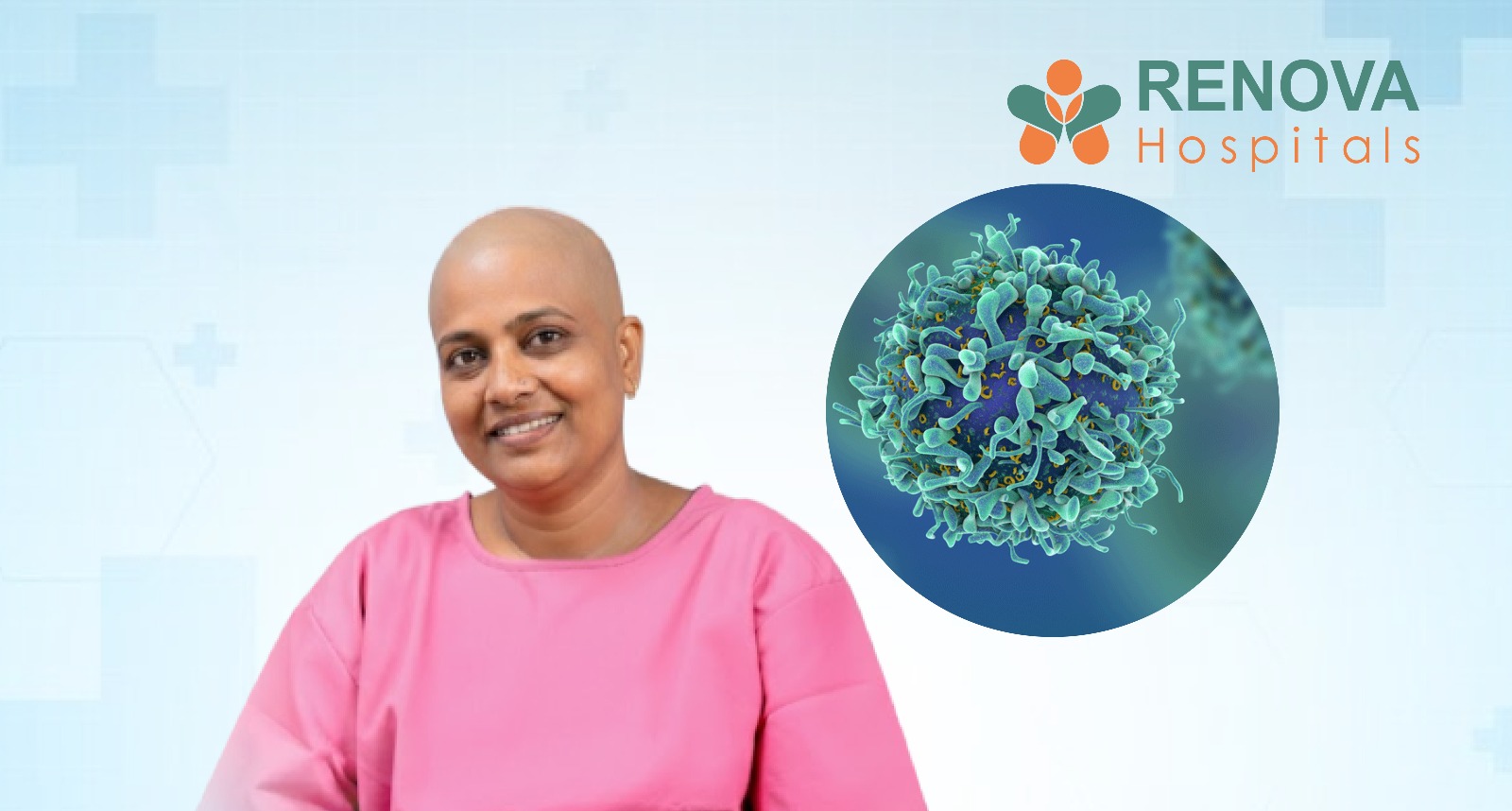
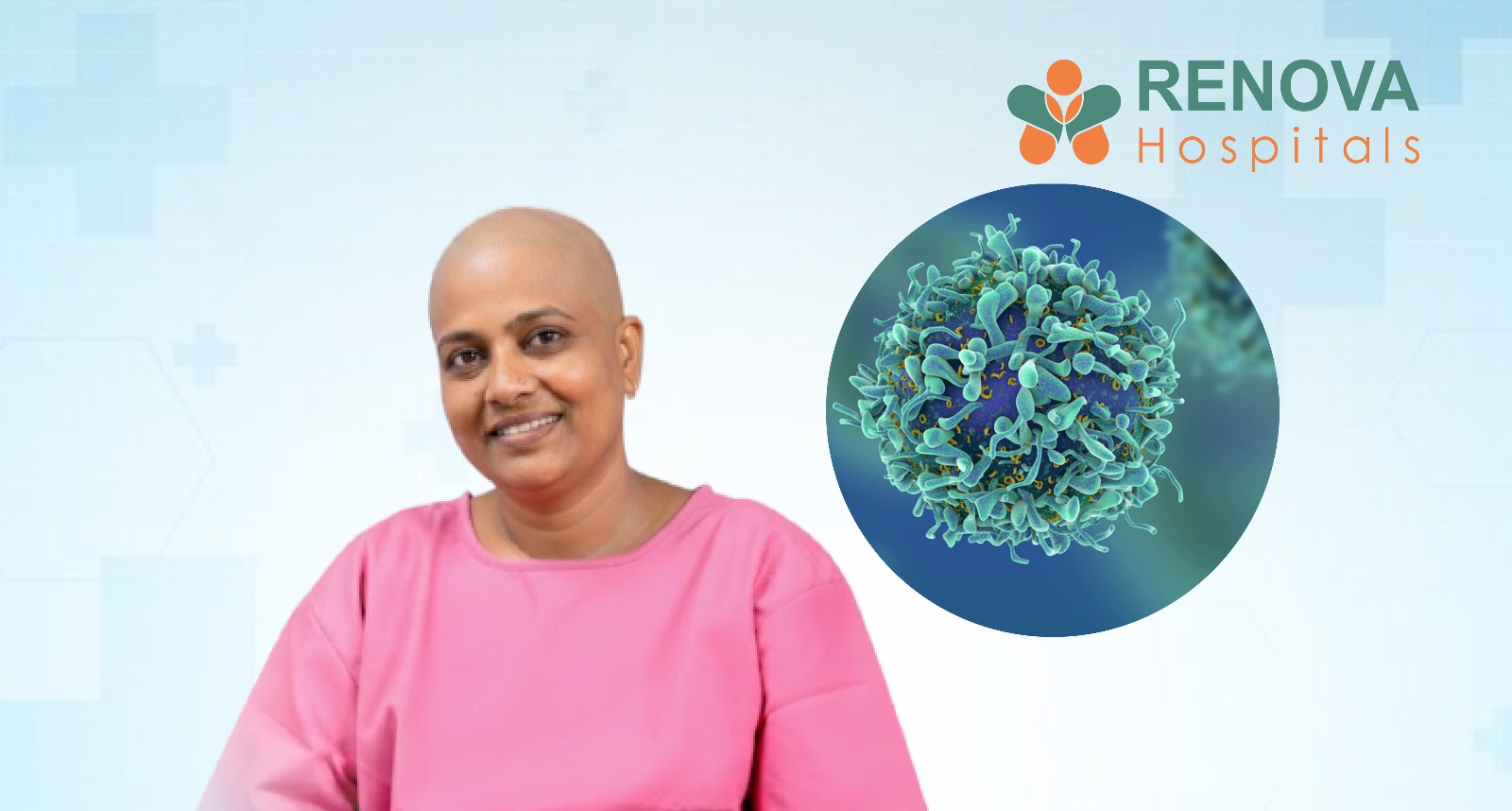
Cancer is a complex group of diseases characterised by the uncontrolled growth and spread of abnormal cells. Unlike healthy cells, which grow, divide, and die in a regulated cycle called apoptosis, cancer cells ignore these biological rules and keep multiplying, often forming a mass called a tumour.
To truly understand cancer, you have to look at it not just as a disease, but as a biological rebel. Think of your body as a highly organised city, where every citizen (cell) has a specific job and a specific lifespan. When a cell becomes old or damaged, the body signals it to retire and undergo apoptosis.
Cancer begins when a cell stops listening to these orders.
The Genetic Trigger
At its core, cancer is a genetic disease. It starts deep inside the cell’s control centre, the DNA. This DNA is the "instruction manual" for the cell. When mutations (errors) occur in this manual, the cell gets the wrong instructions.
These mutations usually happen in three specific types of genes:
1. Proto-oncogenes: These are the "gas pedals" for cell growth. When mutated, they become oncogenes, and the pedal gets stuck to the floor. The cell divides faster and faster without stopping.
2. Tumour Suppressor Genes: These are the "brakes." In a healthy cell, they stop dividing if DNA is damaged. When these genes are mutated, the brakes fail.
3. DNA Repair Genes: These are the mechanics. If they are broken, errors in the DNA aren't fixed, and mutations pile up, leading to chaos.
1. Proto-oncogenes: These are the "gas pedals" for cell growth. When mutated, they become oncogenes, and the pedal gets stuck to the floor. The cell divides faster and faster without stopping.
2. Tumour Suppressor Genes: These are the "brakes." In a healthy cell, they stop dividing if DNA is damaged. When these genes are mutated, the brakes fail.
3. DNA Repair Genes: These are the mechanics. If they are broken, errors in the DNA aren't fixed, and mutations pile up, leading to chaos.
Tumours: Benign vs Malignant
One of the most common questions we hear is, "Is my tumour cancer?" It is vital to understand that not all tumours are malignant.
- Benign Tumours: These are non-cancerous. They might grow large and press on surrounding tissues, but they are respectful neighbours; they don't invade nearby tissues or spread to other parts of the body. Once a surgeon removes them, they usually stay gone.
- Malignant Tumours: These are cancerous. They are aggressive. They ignore boundaries, invade surrounding tissues, and can break off to travel to distant organs via the bloodstream or lymphatic system.
Clinical Insight: Not all cancers form lumps. Leukaemia, a cancer of the blood, rarely forms a solid tumour. Instead, the cancer cells float in the blood, crowding out the healthy cells your body needs to fight infection and carry oxygen.
What Causes Cancer? Understanding Risk Factors
A single event rarely causes cancer. It develops due to a combination of your genetics and your environment. While you can't control your DNA, you can control risk factors like smoking, diet, and sun exposure, which account for a considerable number of cases.
We often describe cancer causation as a "perfect storm." It is usually a mix of factors that have built up over decades.
1. Lifestyle Factors (The Choices We Make)
This is the hard truth, but it is also empowering: lifestyle choices are the biggest drivers of cancer today.
- Tobacco Use: Whether smoked or chewed, tobacco is public enemy number one. It is responsible for nearly 30% of all cancer deaths. The chemicals in tobacco damage DNA directly, leading to lung, oral, throat, and bladder cancers.
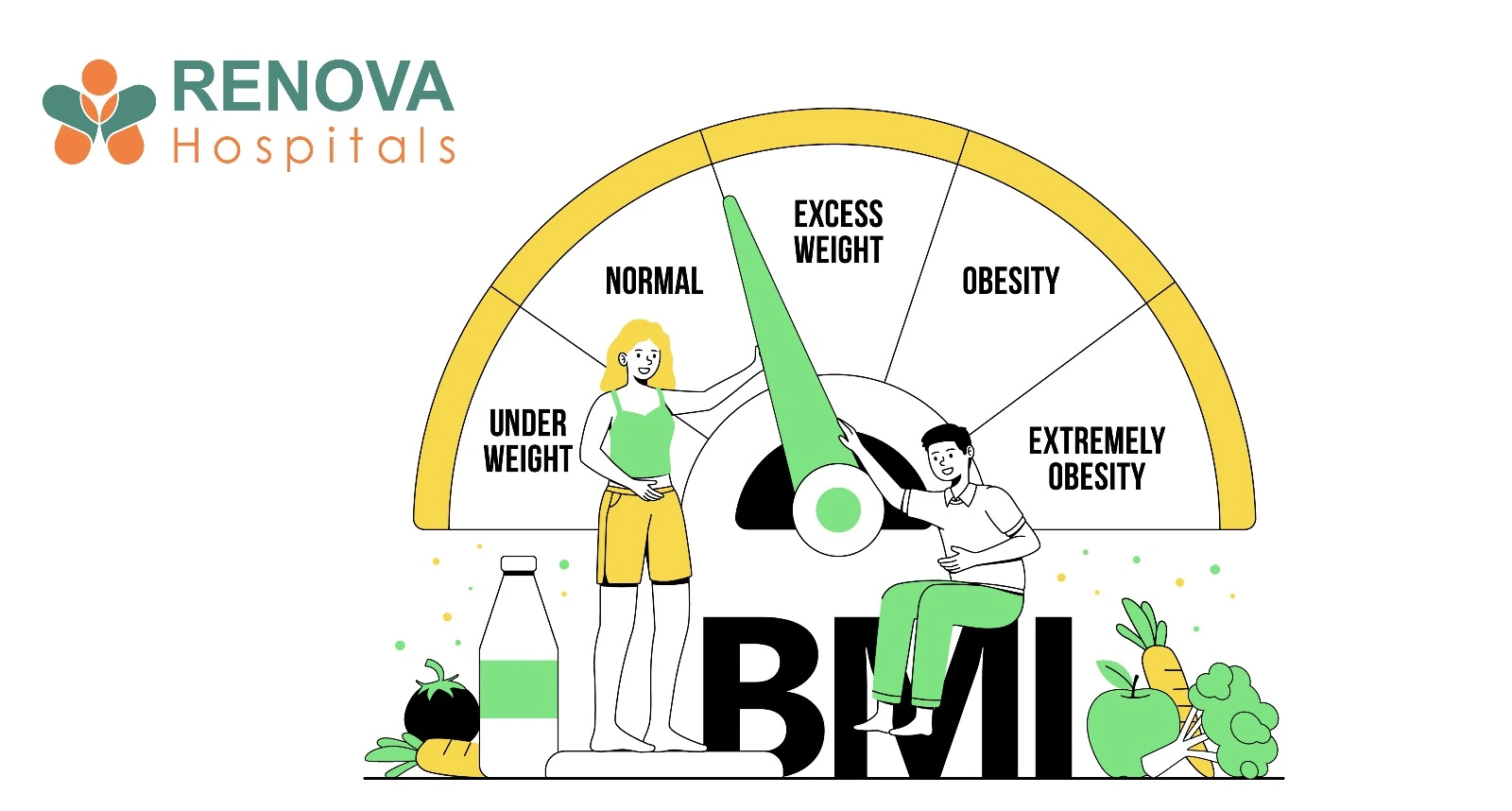
- Obesity: Many people don't realise that fat tissue is active; it produces excess hormones and causes chronic inflammation. This environment encourages cancer cell growth. Obesity is strongly linked to breast, colon, and kidney cancer.
- Alcohol: Your liver processes alcohol into a toxic chemical called acetaldehyde, which damages DNA. Regular heavy drinking is a significant risk factor for liver and oesophageal cancers.
2. The Environment Around Us
Sometimes, the risk comes from outside.
- Radiation: That severe sunburn you got as a child matters. UV radiation damages skin cell DNA, increasing the risk of melanoma later in life. Similarly, unnecessary exposure to ionising radiation (such as frequent X-rays without a medical cause) adds up.
- Pollution: We now know that long-term exposure to airborne particulate matter and to industrial chemicals such as asbestos or benzene significantly increases the risk of lung and bladder cancers.
3. The Hidden Viral Link
Infections are a surprisingly common cause of cancer, especially in developing nations.
- HPV (Human Papillomavirus): This virus is the leading cause of cervical, anal, and throat cancers.
- Hepatitis B and C: Chronic infection leads to liver cirrhosis, which creates a fertile ground for liver cancer.
- Helicobacter pylori: A common stomach bacterium linked to ulcers and stomach cancer.
4. The Genetic Lottery
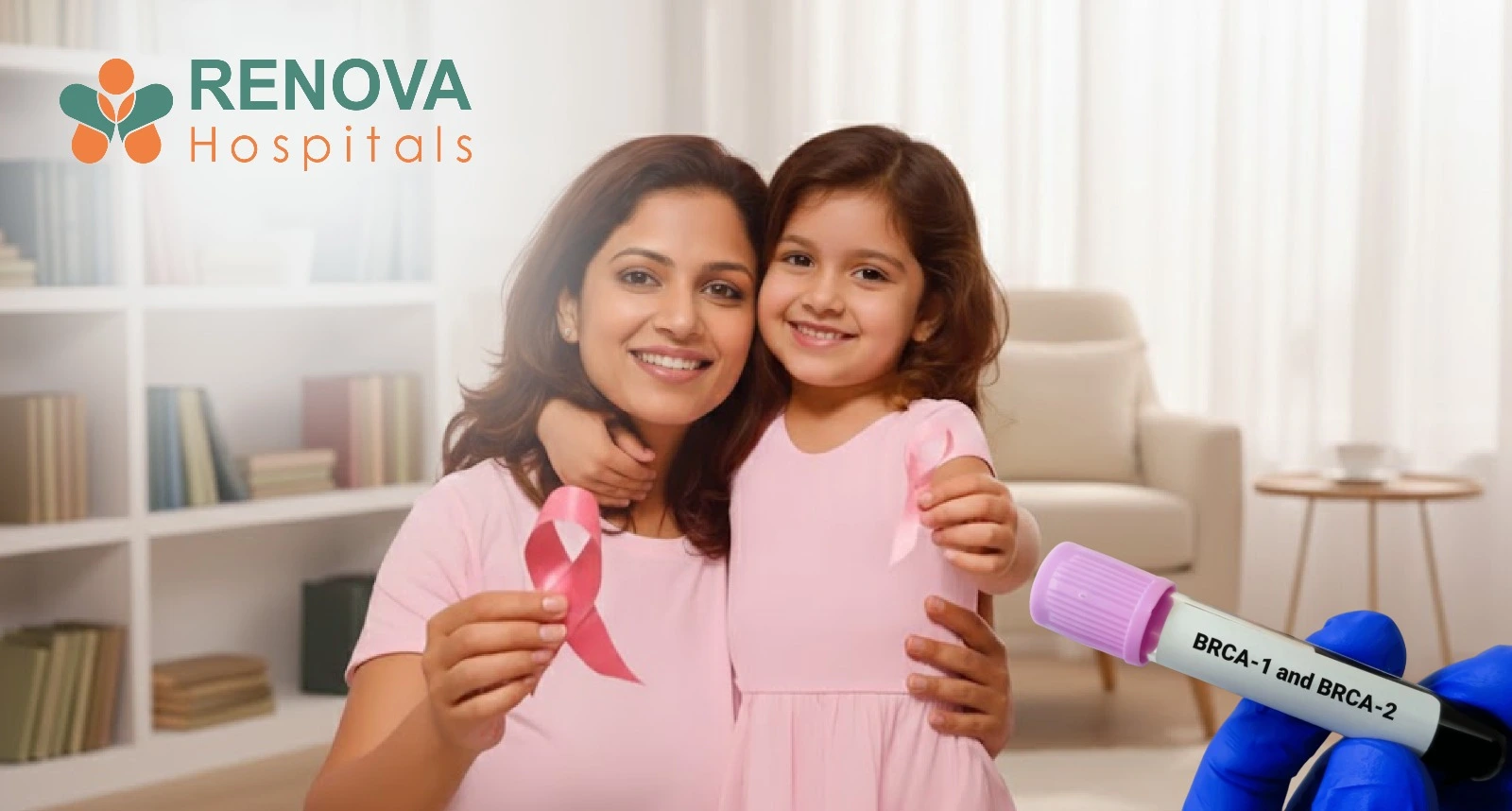
About 5% to 10% of cancers are hereditary. If your mother and grandmother both had breast or ovarian cancer, you might carry a mutation in the BRCA1 or BRCA2 genes. Knowing this history is powerful because it allows us to screen you earlier and more often.
How Cancer Develops and Spreads (Metastasis)
Cancer doesn't just appear overnight. It follows a biological journey known as Initiation, Promotion, and Progression.
- Initiation: A single cell’s DNA is damaged by a carcinogen or a random error.
- Promotion: That damaged cell is stimulated to divide repeatedly, forming a small mass.
- Invasion: The cancer cells acquire the ability to breach standard tissue barriers.
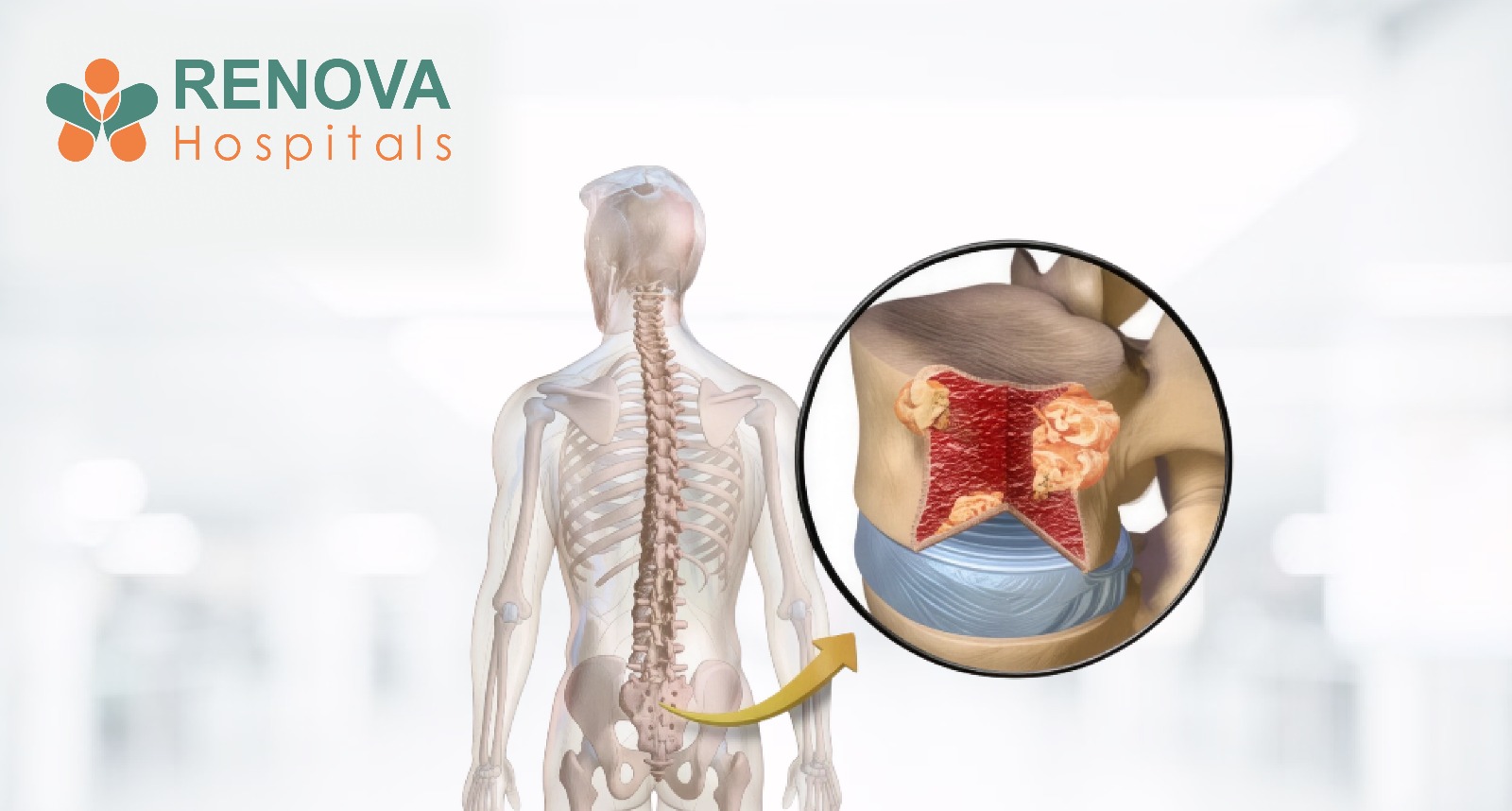
- Metastasis: the critical turning point. Cancer cells detach from the original tumour, hitch a ride in the bloodstream or lymphatic system, and travel to distant organs, such as the lungs, liver, or bones, to form new tumours.
Why Metastasis Matters: Metastatic cancer is harder to treat because it has become a systemic disease. Importantly, metastatic cancer keeps the name of the original tumour. For example, if breast cancer spreads to the lungs, we treat it as metastatic breast cancer, using breast cancer drugs, not lung cancer drugs.
Major Types of Cancer Classifications
Doctors classify cancer based on the specific type of cell it starts in. While there are over 100 types, they generally fall into five prominent families:
1. Carcinomas: These are the most common, accounting for 80-90% of all cancer diagnoses. They start in the epithelial cells, the skin or the tissue lining your internal organs.
- Examples: Breast, Lung, Prostate, and Colon cancer.
2. Sarcomas. These are rarer and start in the "connective" tissues that hold the body together.
- Examples: Osteosarcoma (bone cancer) or Soft Tissue Sarcoma (muscle/fat).
3. Leukaemias: These are cancers of the bone marrow, the factory where blood is made. They cause the marrow to produce massive numbers of abnormal white blood cells that don't function correctly.
- Examples: Acute Lymphoblastic Leukaemia (ALL) in children; Chronic Myeloid Leukaemia (CML) in adults.
4. Lymphomas: These cancers attack the immune system itself, specifically the lymphocytes. They often show up as painless, swollen lymph nodes in the neck or armpit.
- Examples: Hodgkin and Non-Hodgkin Lymphoma.
5. Multiple Myeloma: A cancer of the plasma cells, which are the immune cells responsible for making antibodies to fight infection.
Early Signs and Symptoms: Listen to Your Body
Cancer symptoms vary widely, but common warning signs include unexplained weight loss, persistent fatigue, painless lumps, and changes in bowel habits. Early-stage cancer is often painless, which makes screening essential.
Your body often whispers before it shouts. The key is to notice persistent changes. If you experience any of the following for more than two weeks, it requires a doctor's attention:
General Systemic Signs:
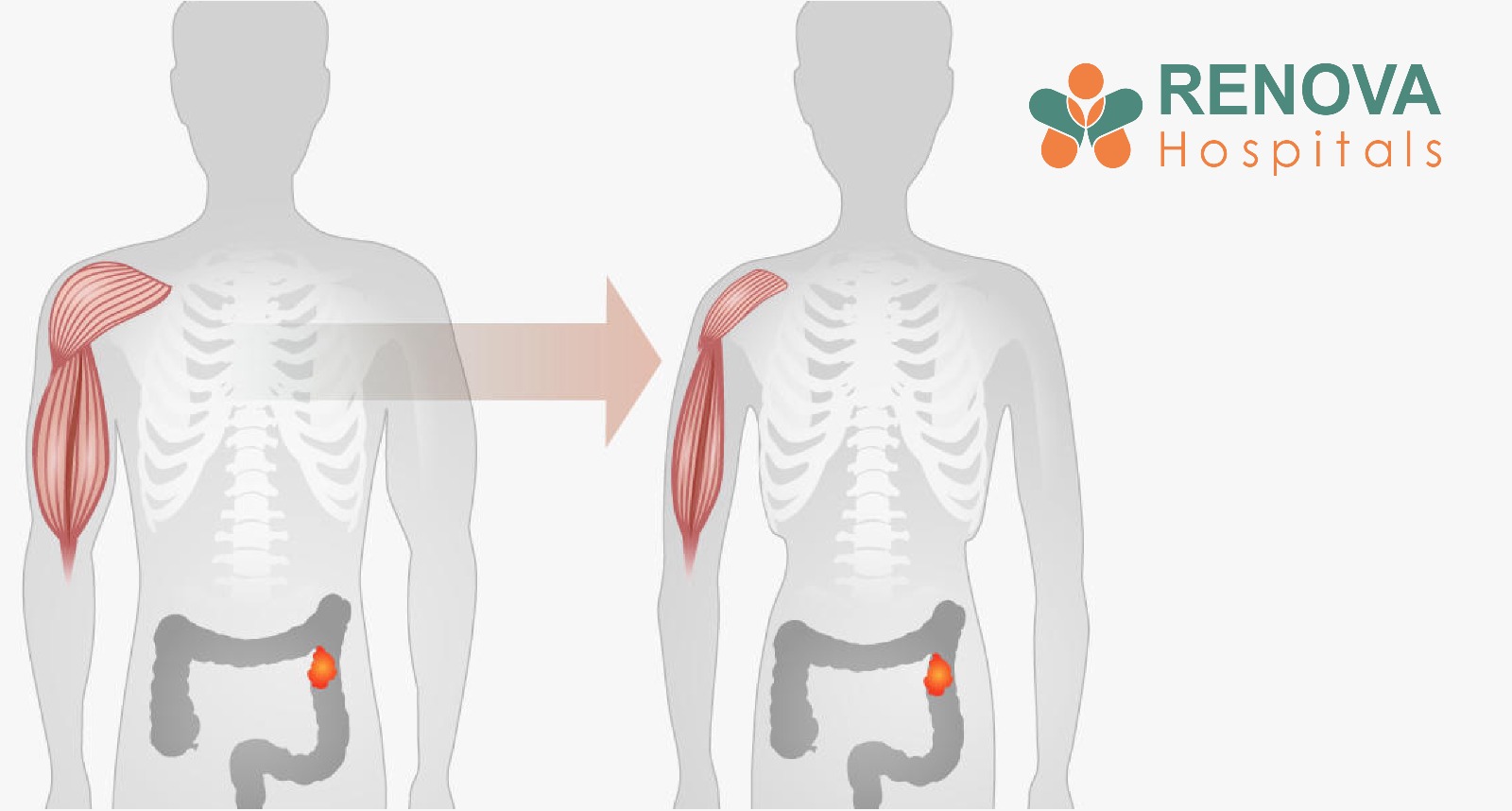
- Unexplained Weight Loss: Losing 5kg or more without trying is a major red flag. Cancer cells are energy vampires; they consume your body's fuel, leading to weight loss.
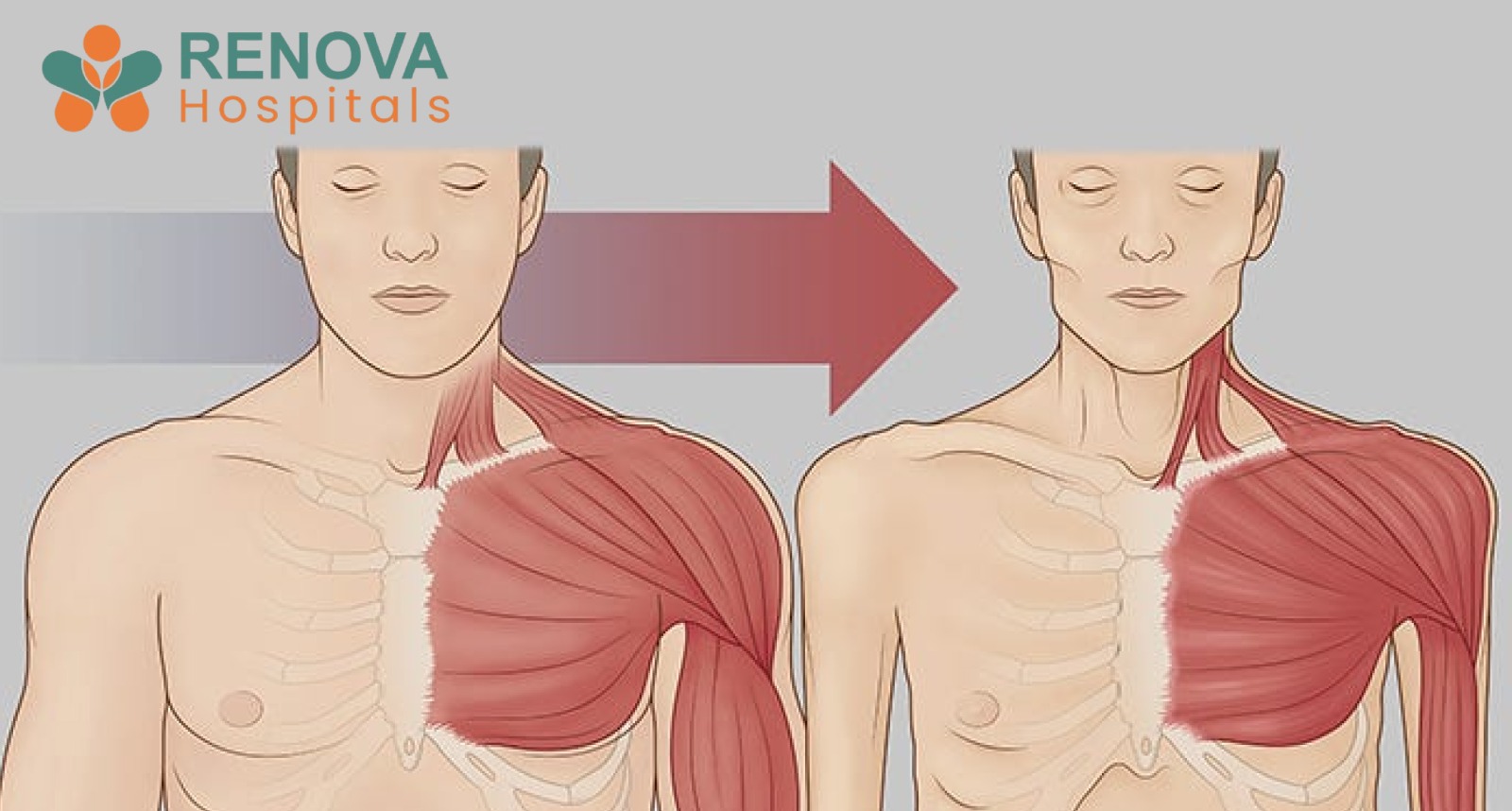
- Bone-Deep Fatigue: This isn't just "I had a long week" tired. This is exhaustion that a good night's sleep doesn't fix.
- Night Sweats: We are talking about drenching sweats that soak your sheets, common in Lymphoma.
- Fever: A recurrent fever with no sign of infection can be an early sign of blood cancer.
Specific Warning Signs:
- Lumps: Any new thickening or lump in the breast, testicle, or neck. Note that cancerous lumps are often hard and painless.
- Skin Changes: A mole that changes colour, size, or shape, or a sore that refuses to heal.
- Digestive Shifts: Chronic constipation, diarrhoea, or blood in the stool (often dismissed as piles).
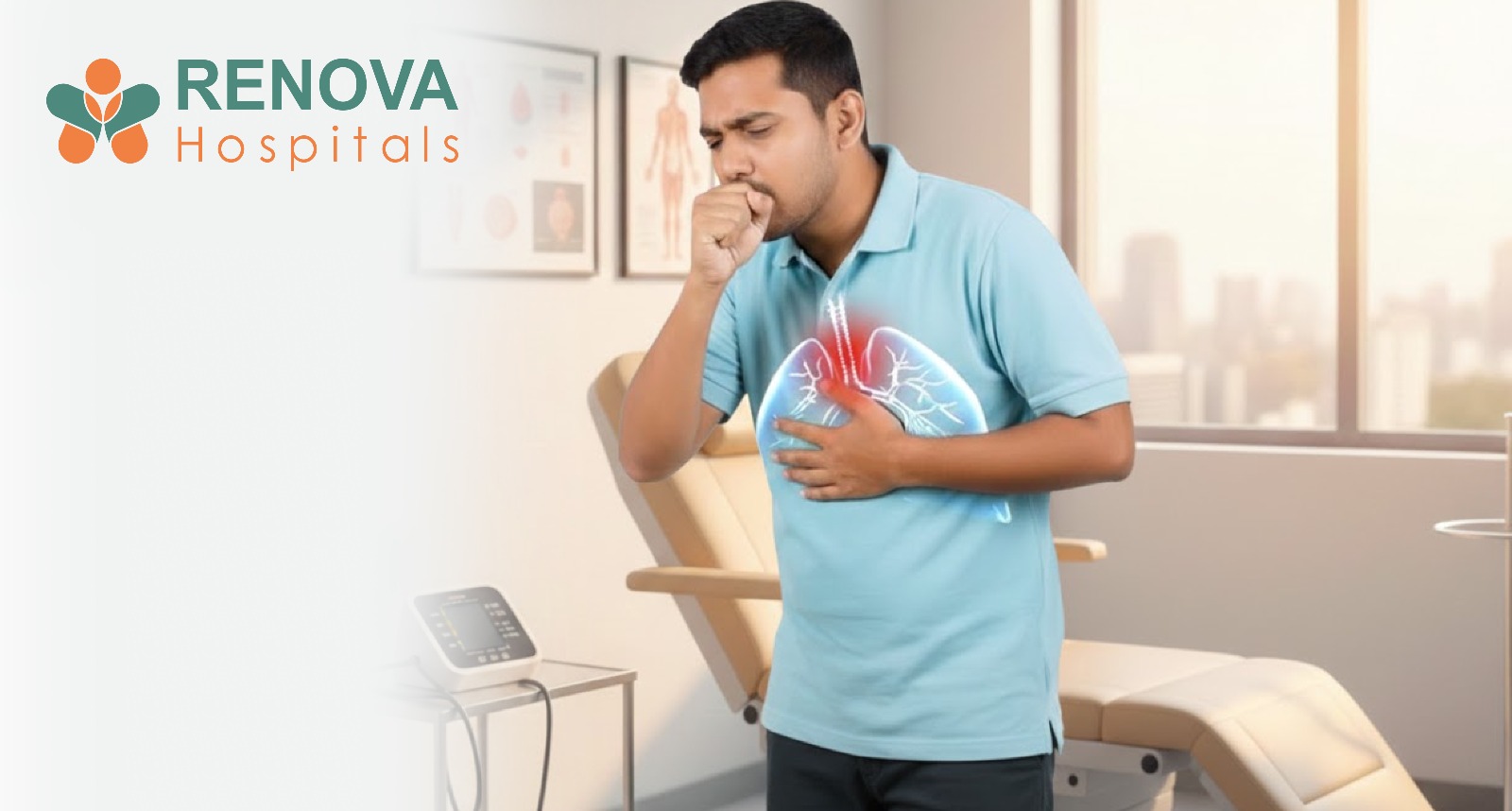
- The Nagging Cough: A cough that won’t go away, hoarseness, or coughing up blood.
How Is Cancer Diagnosed? The Gold Standard
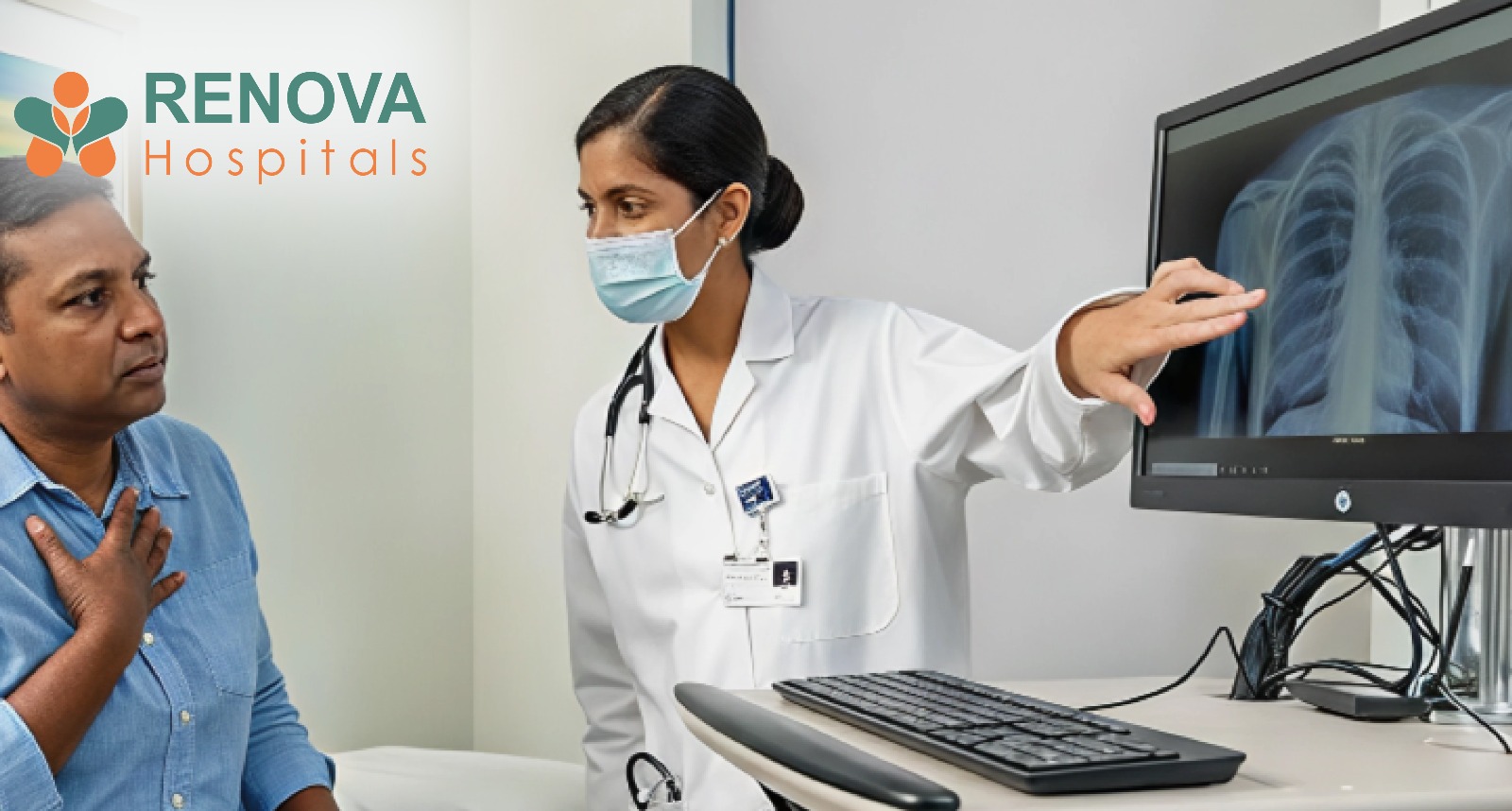
Diagnosis requires a systematic evaluation, starting with imaging tests such as CT or PET scans to locate tumours. However, a biopsy, removing a small tissue sample for microscope analysis, is the only way to confirm cancer definitively.
At Renova Hospitals, Hyderabad, we follow a rigorous diagnostic pathway to ensure we get it right the first time.
1. Imaging (The Map) We need to see what we are dealing with.
- PET-CT Scan: This is the most advanced tool in our arsenal. It detects cancer cell metabolic activity, allowing us to visualise the primary tumour and assess metastasis throughout the body in a single scan.
- MRI: Uses magnetic fields to see soft tissues, perfect for brain and spinal cord tumours.
- Ultrasound: Often the first step for checking lumps in the breast or abdomen.
2. Biopsy (The Proof) Scans suggest cancer, but they don't prove it. A biopsy involves taking a small sample of the tumour. A pathologist examines cells under a microscope to determine the Type and Grade (how aggressive it is).
3. Molecular Profiling (The Blueprint) In 2026, we don't just look at the cell; we look at the genes inside it. We test tumour DNA for specific mutations, such as EGFR, ALK, or HER2. This tells us if "smart drugs" or targeted therapies will work for you.
Cancer Treatment Options in Hyderabad
Cancer treatment is personalised based on tumour type, stage, and genetic profile. Standard options include surgery, chemotherapy, and radiation. Newer precision treatments like Immunotherapy and Targeted Therapy are used to treat cancer with fewer side effects.
At Renova Hospitals, your treatment isn't decided by one doctor. It is designed by a Multidisciplinary Tumour Board, a team of surgeons, medical oncologists, and radiation experts who review your case together.
1. Surgery: The oldest and most effective cure for solid tumours.
- Curative Surgery: Removes the entire tumour when it is contained.
- Minimally Invasive: We use laparoscopic and robotic techniques. More minor cuts mean less pain and a faster return to everyday life.
2. Radiation Therapy Uses high-energy beams to sanitise the area and destroy cancer cells.
- IMRT/IGRT: Renova offers Intensity-Modulated Radiation Therapy. This technology shapes the radiation beam to match your tumour's shape, sparing healthy organs like the heart and lungs.
3. Chemotherapy: These are potent drugs that circulate through the bloodstream to kill rapidly dividing cells. We often use them as an Adjuvant (after surgery) to mop up hidden cells or as a Neoadjuvant (before surgery) to shrink the tumour down to size.
4. Immunotherapy: This is the new frontier. It boosts your body's own immune system to recognise and destroy cancer cells. It has been a game-changer for lung cancer and melanoma, often providing long-term survival even in advanced stages.
5. Targeted Therapy: Think of these as "smart bombs." They block specific switches in cancer cells that drive their growth. Because they target particular mutations, they often cause less collateral damage to healthy cells than chemotherapy.
Can Cancer Be Prevented?
While not all cancers are preventable, you have more power than you think. The World Health Organisation estimates that 30-50% of cancers can be prevented.
Evidence-Based Prevention Strategies:
- Stop Tobacco: If you do nothing else, do this. Quitting smoking is the single most effective way to prevent cancer.
- Vaccinate: Get the shots against Hepatitis B (liver cancer) and HPV (cervical/throat cancer).
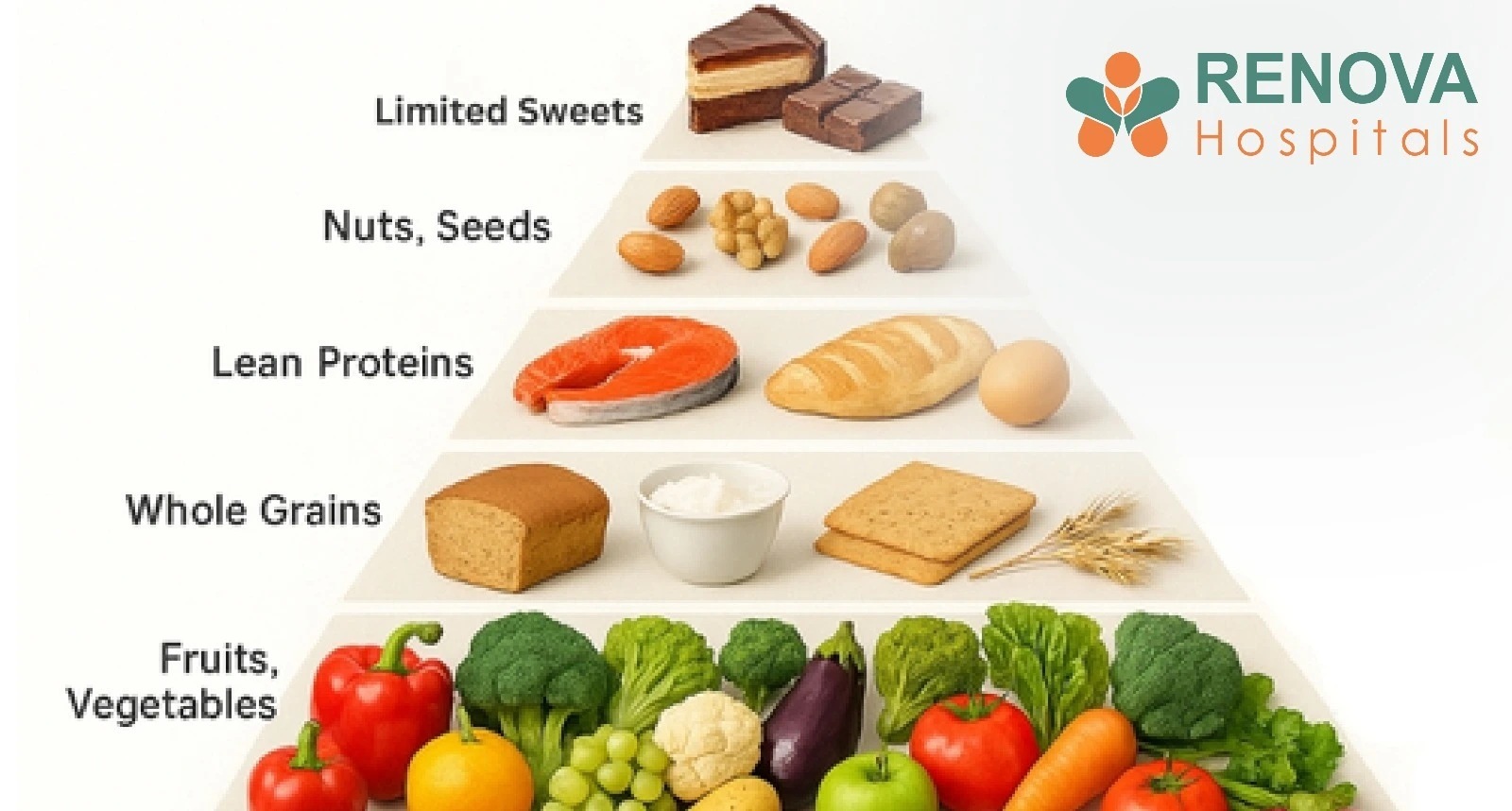
- Eat Real Food: Focus on a plant-rich diet high in fibre and low in processed meats.
- Sun Safety: Sunscreen isn't just for the beach; it's daily protection against DNA damage.
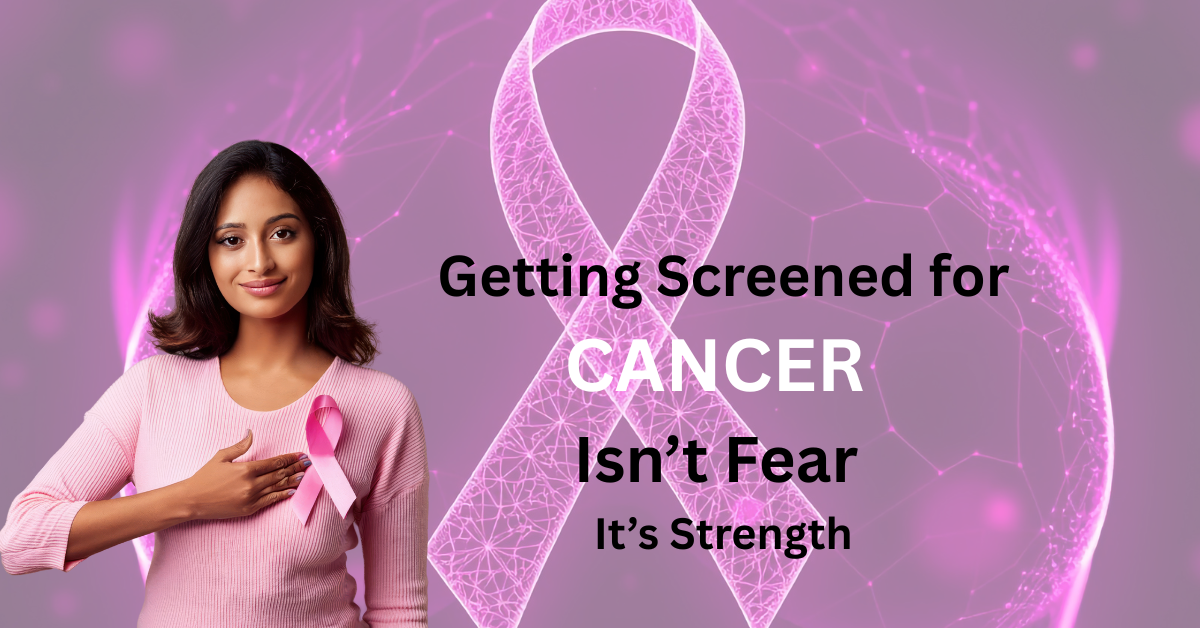
- Screening: Your safety net. Mammograms, Pap smears, and Colonoscopies find problems before they become cancer.
Why Choose Renova Hospitals for Cancer Treatment?
Renova Hospitals is a trusted destination for comprehensive oncology in Hyderabad and Secunderabad.
- Expert Team: Our department is led by senior oncologists who bring global expertise to local care.
- Advanced Technology: We are equipped with state-of-the-art PET-CT scanners, linear accelerators for precision radiation therapy, and advanced molecular pathology labs.
- Patient-Centric Care: We understand that cancer treats the family, not just the patient. Our support services include palliative care, nutritional counselling, and pain management to ensure dignity and quality of life.
Ready to take the first step? Early action saves lives. Book a comprehensive cancer consultation at Renova Hospitals today. Contact Renova Hospitals at 040 2333 3333
Medical Disclaimer: This guide is for educational purposes only and does not constitute medical advice. An individual health assessment requires an in-person clinical evaluation. Always consult qualified healthcare professionals before making significant changes to diet, exercise, or lifestyle.
Category
- Joint Replacement
- Joint Replacement